Get an eSIM Before You Land in Japan.

Trust Me on This One–Get the eSIM
By Sarah Kimball
I have made a lot of mistakes while traveling in Japan over the years. I once spent forty-five minutes wandering around the wrong exit of Shinjuku Station because I had no data and was too stubborn to ask for help. I ate something I later discovered was raw liver because I pointed at a menu item without being able to look it up. I missed a ryokan check-in window in Hakone because I couldn’t pull up a map when I needed one most. All of those experiences had one thing in common: I didn’t have reliable internet access when I needed it.
Connected in Japan
Japan is one of the most connected countries on the planet in theory, but finding usable Wi-Fi as a visitor is genuinely harder than it sounds. The convenience stores have it. A handful of coffee chains have it. But in between, you’re largely on your own. And in a country where street addresses follow a block-and-building system that makes no logical sense to anyone raised on a Western grid, being offline in Japan is not just inconvenient. It can derail your whole day.
The good news: things have changed. If your phone is not from the Stone Age, then what you really need to get connected in Japan is an eSIM Japan.
The Old Ways Were Never That Great
For years, travelers to Japan dealt with connectivity in one of two ways. Some rented a Pocket WiFi router at the airport, a small device that generates a wireless hotspot and fits in your jacket pocket. It works reasonably well if you always remember to charge it, never lose it on a crowded train, and don’t mind that everyone in your group has to stay within a certain radius of whoever is carrying it. Lose that router, and you’re looking at a replacement fee that could cover a very nice kaiseki dinner.
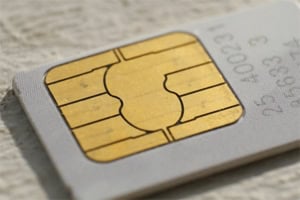
The other option was picking up a local SIM card, which meant standing at a kiosk at Narita or Haneda, trying to find a paperclip to pop open your SIM tray, and hoping you didn’t drop your home eSIM into a floor grate in the process. Then you’d lose access to texts from your bank, calls from home, and anything else tied to your regular number for the duration of the trip.
Neither option was terrible. But neither was particularly elegant, either. That’s changed.
 What an eSIM Actually Is
An eSIM is a digital SIM card that lives inside your phone. Most smartphones made in the last several years support them. The “e” stands for embedded, meaning the chip is already built into your device. You don’t insert anything or remove anything. You scan a QR code, follow a few prompts in your settings, and you’re done.
What makes this genuinely useful for travel is that your phone can run two lines at once. Your home number stays active, so you keep receiving texts and calls from your bank, your family, or your office. At the same time, your Japan data plan runs separately through the eSIM. You get the best of both without carrying extra hardware or visiting any shops. The whole setup takes about two minutes.
Several providers offer eSIM plans specifically designed for travel to Japan, with options ranging from a few gigabytes for a short trip to unlimited data for longer stays. The networks they use are typically NTT Docomo, SoftBank, or KDDI, which means coverage is excellent. I’ve had full bars on a bullet train doing 300 kilometers an hour, and decent signal hiking in the hills outside Nagano.
The Practical Difference It Makes
Japan rewards people who are prepared. The train system alone is worth the price of reliable connectivity. Google Maps and apps like Japan Transit Planner will tell you not just which train to take, but which car to board if you want to be closest to the exit you need on the other end. Without data, you’re guessing. Tokyo’s train network has over 100 stations on the Yamanote Line alone, and transferring between lines in a station like Shinjuku, which has more than 200 exits, is the kind of thing that humbles even experienced travelers.
Google Lens has become one of the most useful tools I carry in Japan. Point your camera at kanji on a menu, a product label in a convenience store, or a handwritten sign in a neighborhood restaurant, and you get an instant translation. That function requires data. So does real-time voice translation, which handles about ninety percent of communication situations you’ll encounter outside the tourist zones.
For those working remotely while traveling, the stakes are higher. Japan has a thriving co-working scene in Tokyo and Osaka, and many smaller cities now have solid options as well. But video calls over public Wi-Fi have always been a gamble, especially when you’re handling anything work-related. A dedicated mobile connection via an eSIM offers greater reliability, and the speeds on Japan’s major networks are fast enough to support a Zoom call without issues.
Choosing the Right eSIM Plan
For a week-long trip covering the classic Tokyo, Kyoto, and Nara circuit, somewhere between five and ten gigabytes of data should be comfortable. If you’re staying a month or working while you travel, look at plans marketed as unlimited. Read the fine print carefully before you buy. Many unlimited plans throttle speeds significantly after you hit a daily threshold, sometimes dropping to speeds that feel like the early days of mobile internet. That’s fine for checking messages, but it will kill a video call. Look for plans that specify a generous daily high-speed allowance, or check reviews from recent users.
Setting It Up Before You Go
The single most important thing to know about eSIM setup is this: do it at home, the day before you fly. You order your plan online, receive a QR code by email, and scan it through your phone’s SIM settings. Name the new line something obvious, like “Japan,” so you don’t confuse it with your home line later. The key is to set it up but not activate it as your primary data line until you land. Once your plane touches down at Narita or Haneda and you switch off airplane mode, switch your data to the Japan line. That’s genuinely all there is to it.
The reason to do this before you leave is that airport Wi-Fi is unpredictable, and scanning a QR code while carrying luggage and trying to find your transfer is not how anyone wants to spend their first minutes in Japan. Get it done from your couch. Step off the plane connected.
One Less Thing to Think About
Travel in Japan is genuinely remarkable. The food alone could keep you busy for months. The culture rewards slowness and attention, and the country has a way of surprising visitors who think they’ve already seen the best of it. What it doesn’t reward is spending your time on logistics that could have been sorted in advance.
A Japan eSIM is not a revolutionary piece of technology. It’s a small, practical improvement over how things used to work. But small practical improvements add up. When you’re standing at the scramble crossing in Shibuya with pedestrians flowing in every direction and the city lit up around you, it’s nice to know that if you want to find a particular ramen shop you read about three months ago, or look up what that temple inscription says, or just send a photo to someone back home, you can do it without hunting for a signal. The trip is better when the infrastructure works. This is a simple way to make sure it does.
 Sarah Kimball teaches English in Sapporo, Japan.


- Booking Travel from Different Parts of the Middle East - May 27, 2026
- Birmingham: Visiting England’s Least Cherished City - May 26, 2026
- Cruising the Red Sea - May 25, 2026