Slow Travel in 2026: Why Fewer Places Create Better Journeys
Slow Travel in 2026: Why Going Slower Makes the Trip Better
By Owen Chase
I have been noticing something on my own trips lately. Travelers are finally slowing down. Not in a lazy way, but in a way that feels more human. Instead of racing through five cities in a week, people are choosing one place and letting it open up at its own pace.
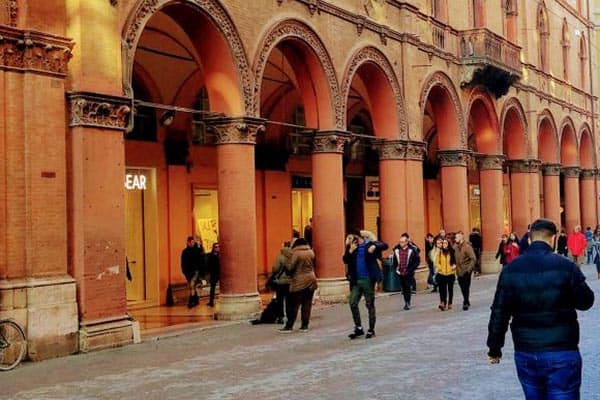
When I was in Bologna last fall, I watched visitors settle into the rhythm of the city like they were locals. They were not sprinting from tower to tower.
They were sitting in the same café every morning, learning the barista’s name, and figuring out which bakery sold the best maritozzo. That is the spirit of slow travel in 2026.
Part of this shift comes from simple exhaustion. Airports feel like competitive sports now. Prices jump around like caffeinated squirrels. And the old idea of collecting destinations like baseball cards has lost its shine.
A trip should not feel like a performance review. It should feel like a life you get to borrow for a little while. That is why the idea of slow travel has become so appealing. It permits you to breathe.
The same shift can be seen across digital travel planning, where comparison, timing, and personal rhythm matter more than blind speed. In that wider culture of choice, even platforms such as Toonie bet reflect how modern users often look for flexible, controlled experiences rather than noisy pressure.
I also think the digital world has changed how we plan. Everything is comparison, timing, and choice. Even platforms like flexible travel tools show how people want control without pressure. Travel works the same way. When you slow down, you make better decisions. You notice more. You stop treating your suitcase like a third job.
 Why Slow Travel Fits Right Now
There was a time when travel rewarded movement. More stamps, more photos, more bragging rights. But when I was in Porto earlier this year, I realized how much more satisfying it is to stay put. I rented a tiny apartment near Mercado do Bolhão and spent my mornings watching the fishmongers set up their stalls.
By day three, I knew which vendor would slip me an extra fig and which one would try to upsell me on sardines. That kind of familiarity never happens when you are packing your bag every 24 hours.
Remote work has also changed the game. I met a couple in Valencia who were spending a month there, working in the mornings and wandering the Turia Gardens in the afternoons. They told me they had stopped planning their days entirely. They let the city decide. That is the magic of longer stays. You stop being a visitor and start being a temporary resident.
And then there is the money. Constant movement drains a budget faster than you expect. Trains, taxis, luggage fees, short stays, and the endless shuffle of logistics. When I stayed in Ghent for a week instead of hopping around Belgium, I spent far less and enjoyed far more. My wallet felt like it was finally on vacation, too.
The Real Joy of Choosing Fewer Places
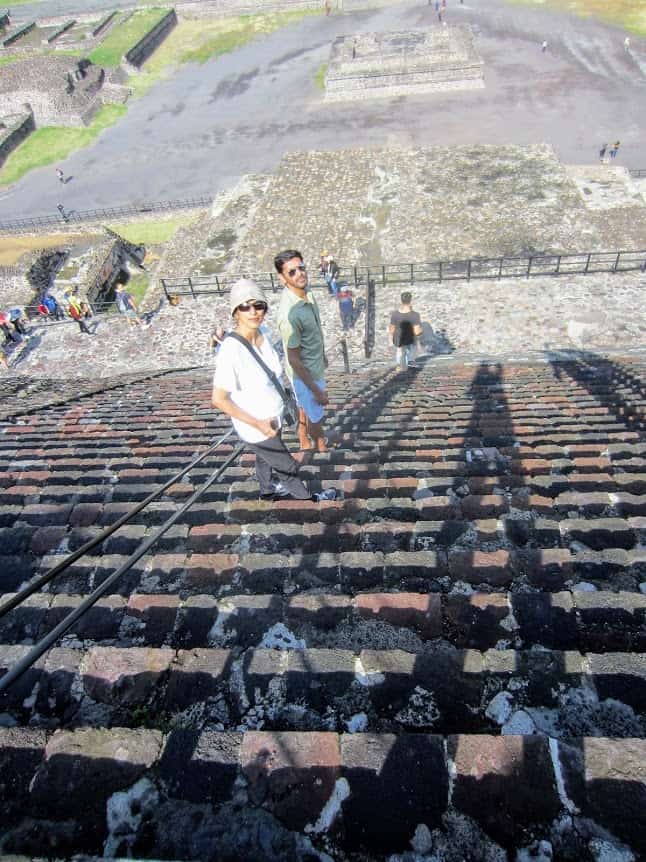
Slow travel is not about doing nothing. It is about doing the right amount. When I spent a week in Oaxaca, the best moments were never the ones I planned. They were the accidental ones. The same woman sells tamales on the corner every morning. The stray dog who adopted me for an afternoon walk. The quiet courtyard café where I wrote notes for this very story.
A slower trip gives you room to fall into the local rhythm. You start recognizing faces. You find the bakery that becomes your bakery. You take better photos because you are not rushing to the next stop. You understand the culture because you see it repeat itself in small ways. You stop being a spectator and start being a participant.
It also feels wonderfully old-fashioned. Before cheap flights and hyper‑efficient itineraries, travel naturally took time.
People lingered. They waited for trains. They talked to strangers. Choosing patience in 2026 feels almost rebellious. A little grandma‑core, sure, but with better WiFi.
How Planning Changes When You Slow Down
A slow trip begins with a different question. Instead of asking how many places you can cram into a week, you ask where several days would actually feel good.
When I planned a recent trip to Ljubljana, I realized I did not want to leave after two nights. So I stayed six. That decision changed everything. I stopped trying to conquer the city and let it reveal itself.
The best slow travel plan leaves space. One main activity a day is plenty. A museum in the morning and a long walk along the river later. Weather changes. Locals give you tips. Your energy shifts. A rigid plan snaps under real life. A flexible plan breathes.
Accommodation becomes part of the story too. When you stay longer, the neighborhood matters. The kitchen matters. The street noise matters. In Tbilisi, I stayed in a quiet apartment overlooking a courtyard where neighbors hung laundry and chatted across balconies. That view became as memorable as any landmark. Slow travel turns your base into part of the journey.
Where Slow Travel Works Best in 2026
Slow travel can work anywhere, but some places are built for it. Smaller cities, coastal towns, wine regions, mountain villages, and old university towns. When I spent a week in Coimbra, I realized how perfect a slow travel city can be. Walkable streets. A strong sense of identity. Markets that feel like community centers. Public spaces where you can sit for hours without anyone rushing you along.
Instead of chasing only capital cities, consider the second cities and quieter regions. Bologna instead of Rome. Porto instead of Lisbon. Ghent instead of Brussels. These places have soul without the crowds. They are kinder to your nervous system and richer in daily texture.
Owen Chase is a world nomad; he lives on the road.


- Slow Travel in 2026: Why Fewer Places Create Better Journeys - May 12, 2026
- How People Pay for Travel Today - May 5, 2026
- Last Minute Mother’s Day Gift Guide - May 3, 2026