Birmingham: Visiting England’s Least Cherished City
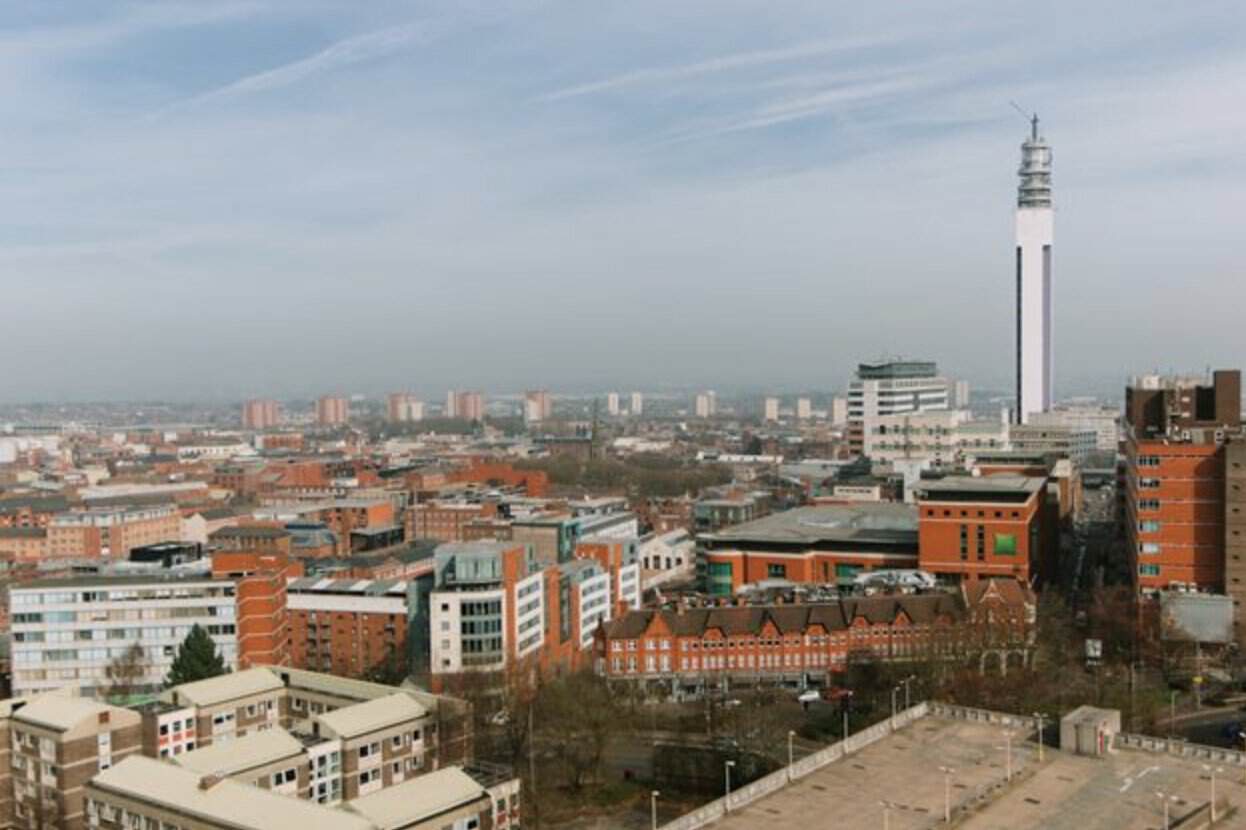
How to Spend Time in Birmingham to Feel the Real Vibe of the City
By Oscar Davis

For years, Birmingham was just a city I passed through on long bus rides across England. I would look out the window, see the skyline, the traffic, and the old industrial buildings, then continue somewhere else, be it London or Manchester, without thinking much about it. In other words, Birmingham never seemed like a destination to me.
That changed when I finally decided to stay there for a few days instead of just passing through again. What surprised me most was how different Birmingham feels once you actually spend time exploring different parts of the city.
It does not try to make a strong first impression: you start noticing its character gradually through the neighborhoods, canals, pubs, food spots, and music culture.
The City Centre Shows Birmingham’s New Identity
I started around the Bullring and Grand Central. Realistically, that is where many people first experience the city. The Bullring stays busy from morning until late evening, filled with commuters, shoppers, tourists, and students moving between New Street Station and the city center.
The futuristic Selfridges Building immediately stands out. Covered in thousands of aluminium discs, it looks completely different from the old brick buildings surrounding it.
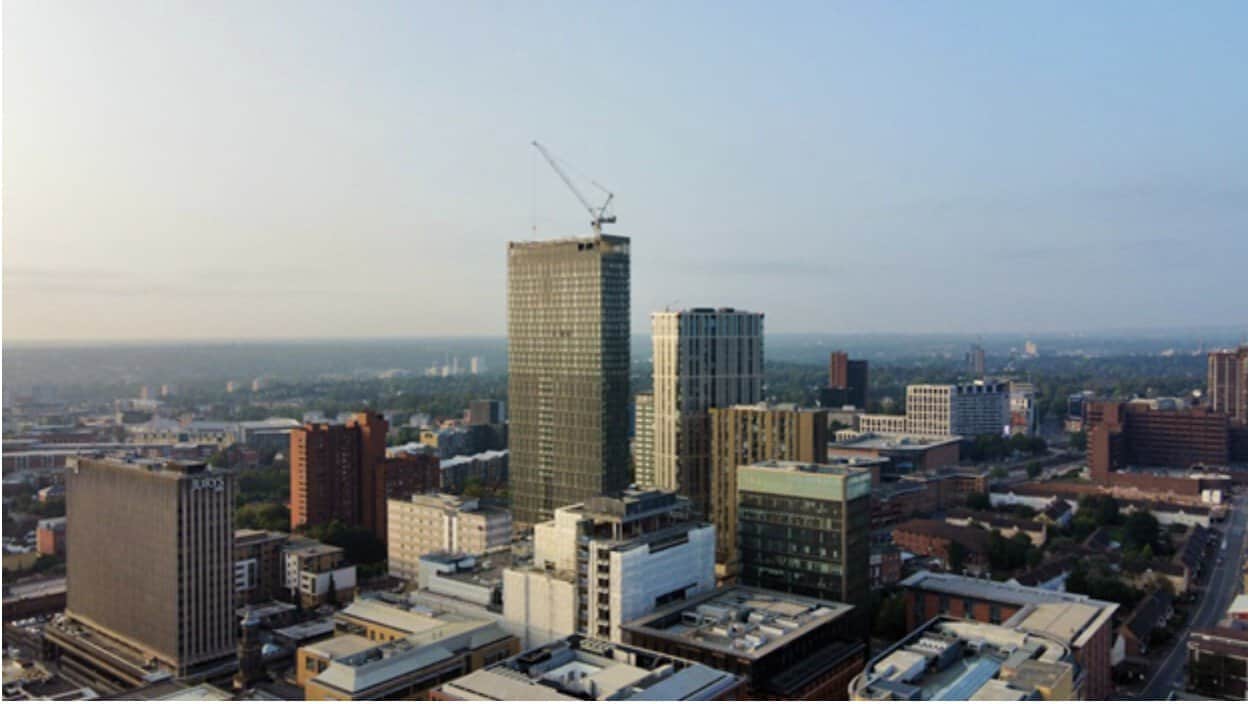
What interested me most was the contrast Birmingham creates between its industrial past and its modern redevelopment. You see older brutalist buildings standing beside newer glass towers and public spaces that continue to reshape the city center.
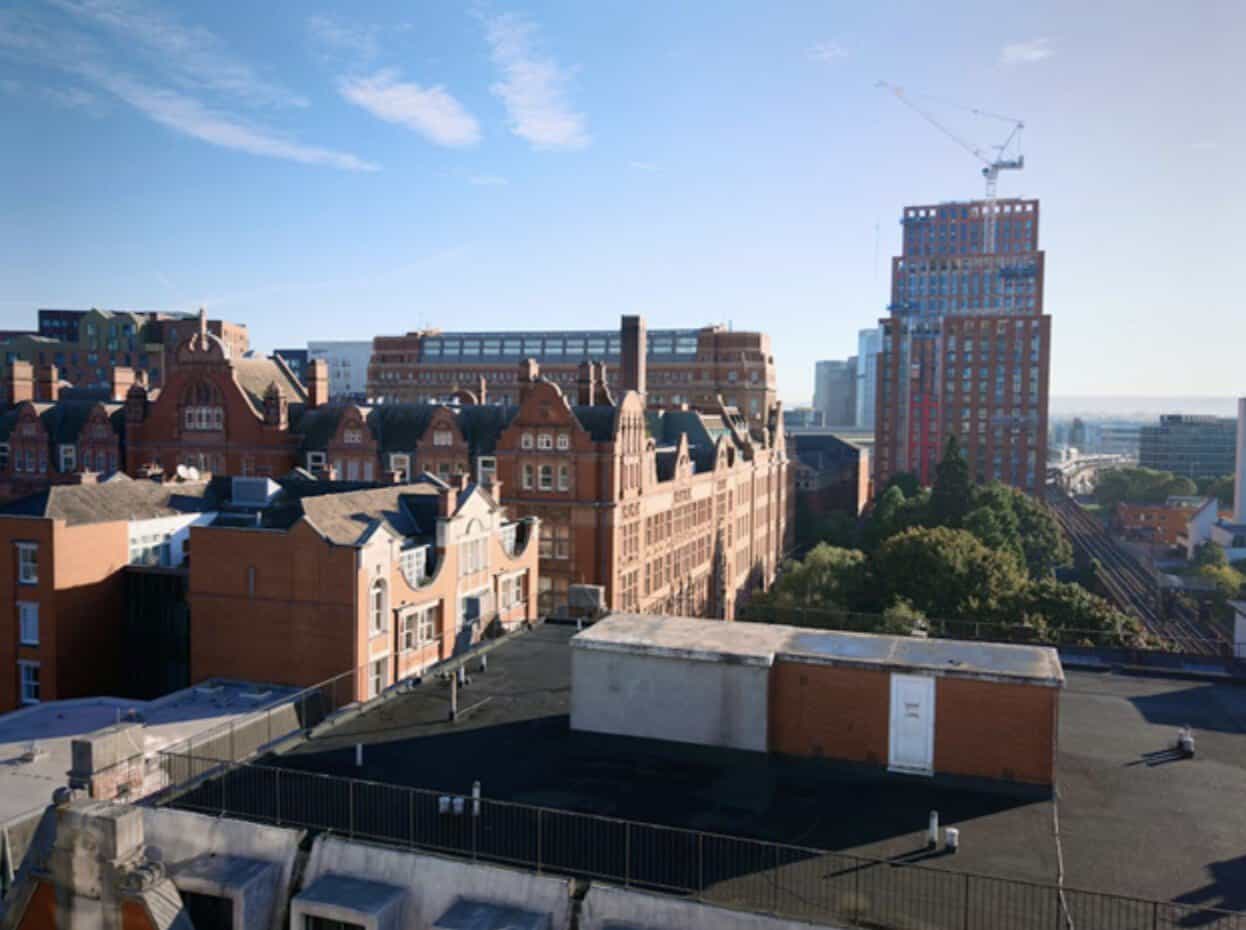
That contrast becomes even clearer around the Library of Birmingham in Centenary Square. The building feels bold and modern without losing connection to the city around it. Sitting outside there for a while gave me a better sense of modern Birmingham than simply reading about the city’s redevelopment projects online.
Birmingham’s Industrial Past Still Feels Present
After spending time around the Bullring and the newer parts of the city centre, I naturally started drifting toward the older neighbourhoods. That is where Birmingham began to feel far more interesting to me.
I spent a lot of time around the Jewellery Quarter, where former workshops and factory buildings now stand beside cafés, bars, and independent stores. The area still feels connected to the trade that helped build Birmingham, and that industrial background gives the neighbourhood a completely different atmosphere from the modern shopping streets nearby.
Digbeth probably came closest to the Birmingham I had imagined before the trip. Old warehouses, brick buildings, canals, and railway arches still give parts of the area a strong industrial character. It is also one of the few places where you can genuinely picture the atmosphere associated with Peaky Blinders, the TV series set in Birmingham.
 Music, Festivals, and Local Birmingham Culture
Before visiting Birmingham properly, I never realised how important the city was in British music history. This is where Black Sabbath formed, and where Ozzy Osbourne grew up before becoming one of the best-known figures in rock music. You still notice that musical background across the city, especially around smaller live venues, independent bars, and creative spaces that continue supporting local artists and touring bands.
Digbeth remains at the centre of much of that culture. Old warehouses now hold studios, galleries, music venues, and independent businesses, while murals cover entire buildings. Combined with the Peaky Blinders atmosphere still associated with the area, it easily became my favourite part of Birmingham.
Birmingham Pride and events like the Independent Birmingham Festival also show another side of the city through local artists, food traders, breweries, and street events spread across different neighbourhoods.
Food, Parks, and Birmingham After Dark
Birmingham’s food scene surprised me more than I expected. I visited the Balti Triangle in Sparkbrook and Balsall Heath, where balti curry became famous decades ago. While the area has changed over the years, it still gives you a more honest picture of Birmingham than staying only around the city centre restaurants.
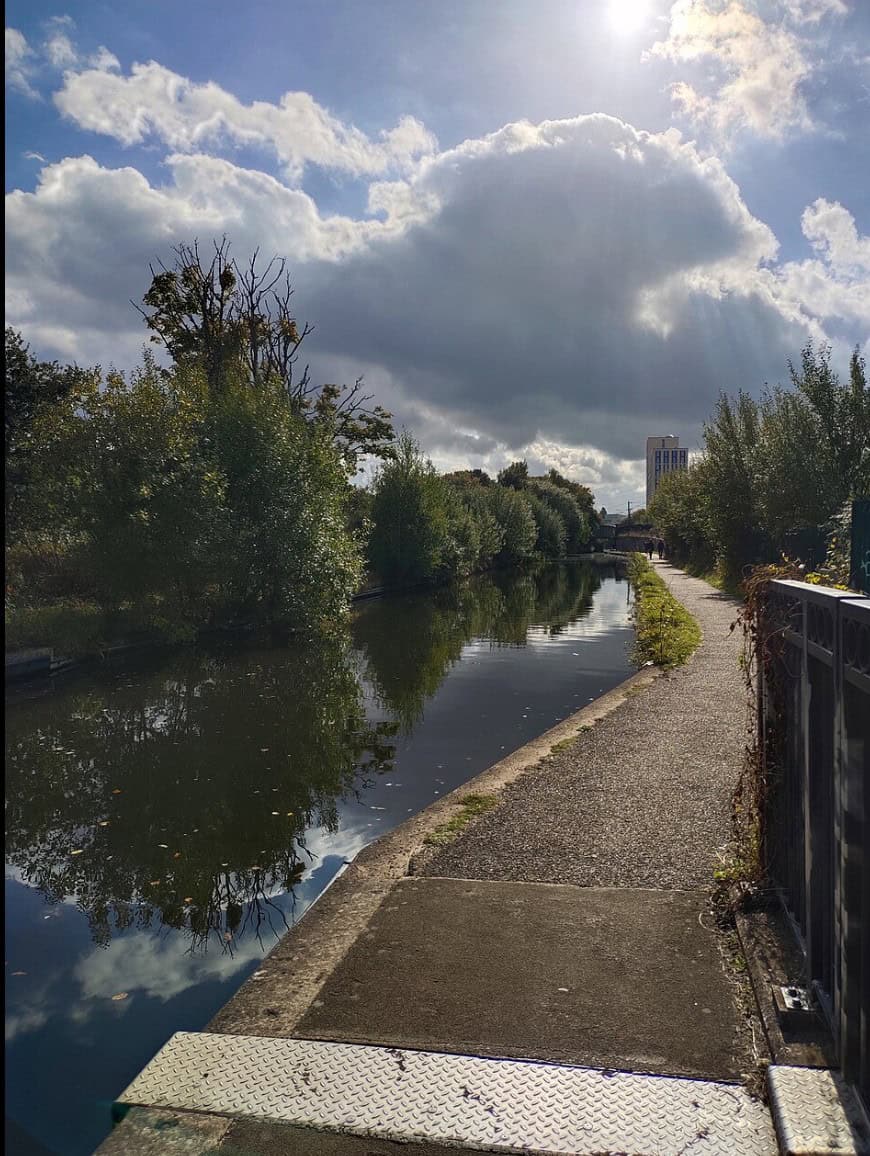
I also did not expect Birmingham to have so much green space. Spending time in Sutton Park completely changed the pace of the trip after busy days around Digbeth and the Bullring. Later, I walked along the canals near Gas Street Basin during the evening, where people sat outside pubs and restaurants after work.
After long days of exploring Birmingham, some people will want to continue the night in pubs, bars, or live music venues. I usually preferred to wind down at my accommodation rather than stay out until dawn.
For those planning a quieter night before another busy day, digital entertainment becomes an easy option. For example, playing online games at a casino for real money offers a simple way to relax without leaving your room.
Tips Before Visiting Birmingham
I would recommend staying at least three days in Birmingham. The city is not built around major landmarks, so a short visit can feel underwhelming if you only stay around the centre. The best parts of a trip like this come from moving between different areas, spending time around the canals, and exploring neighbourhoods beyond the main shopping streets.
For accommodation, the Jewellery Quarter is a good option if you want pubs, cafés, and a calmer atmosphere during the evening. Digbeth suits people more interested in nightlife, live music, and independent bars. Birmingham is also easier to get around than many people expect, so staying near New Street Station or the tram lines makes day-to-day travel simple.

Oscar Davis only had to drive a short distance from his home in Leeds to report on this story.


- Booking Travel from Different Parts of the Middle East - May 27, 2026
- Birmingham: Visiting England’s Least Cherished City - May 26, 2026
- Cruising the Red Sea - May 25, 2026