Rail and Castle: A Guide to Europe’s Most Iconic Routes by Train
There is Nothing Like a Train!
By Oscar Davis
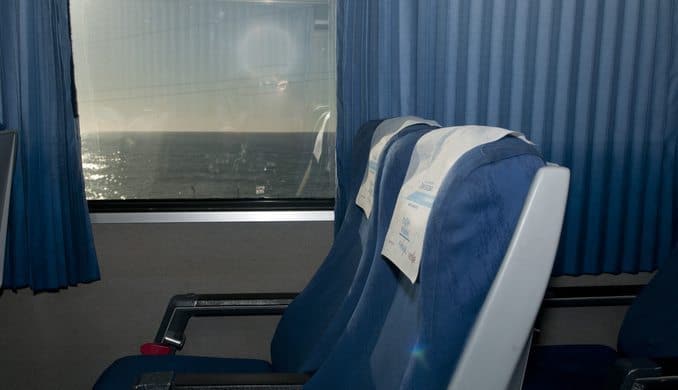
There is a specific kind of rhythm to European rail travel that I simply have not been able to replicate from the seat of a rental car. The landscape shifts from the industrial outskirts of major hubs to the rolling, verdant hills of the countryside in a way that feels intentional, a slow‑motion reveal of a continent’s character.
Be warned: you don’t want to do this spontaneously. Yes, it may sound dreamy and romantic and oh-so European adventure, but going in with a strategy really is key to having a dreamy and romantic, oh-so European adventure. Trust me.
If you’re looking to see beyond the high‑speed transit lanes, your focus naturally drifts toward the historic heart of Central Europe, where geography is defined as much by its rivers as by the fortresses that guard them.
I’ve always felt that traveling by train here isn’t just about getting from one place to another. It’s about slipping into a story that’s been unfolding for centuries.
Planning this kind of trip takes more intention than you might expect. Be warned: you don’t want to do this spontaneously. I learned that the hard way on my first attempt years ago when I tried to wing it between Munich and Salzburg. I ended up spending more time figuring out connections than actually enjoying the places I came to see.
Now I approach it like a narrative. I choose a corridor, a theme, a thread to follow. The Rhine Valley, the Bavarian Alps, the Saxon wine country, the Danube bend. Each one has its own rhythm, its own cast of characters, its own architectural punctuation marks.
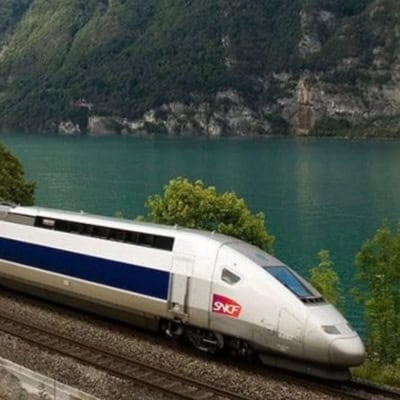 Navigating Europe with a Train Pass
When you’re navigating Europe with a train pass, the goal is to find unique stays that are as memorable as the journey itself—think renovated farmhouses or even staying in a castle. Since these properties are often listed on a variety of different specialized booking sites, it’s easy to miss the best deals.
I’ve found that using cozycozy is the most efficient way to see the full spectrum of options. It compares everything from luxury hotels to local guesthouses in one view, ensuring that your ‘castle-hopping’ budget goes much further.
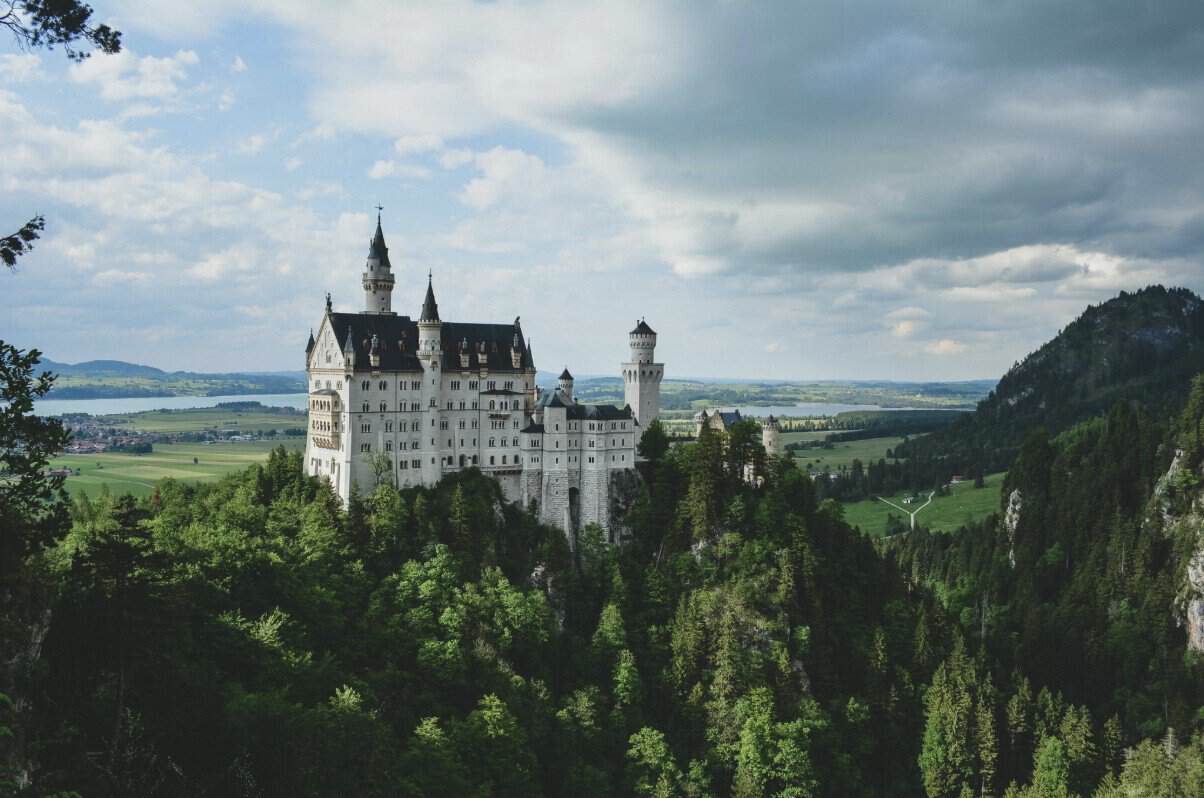
Germany is still the undisputed center of castle‑hopping by rail. If you want to see the best castles in Germany, you have to leave the sleek ICE trains behind and step onto the regional RB and RE lines. These are the trains that wind through the valleys where the stone giants sit.
Some fortresses, like those in the UNESCO‑listed Upper Middle Rhine Valley, are visible from the train window, and that’s absolutely true. I remember leaning out the window near St. Goar, watching Burg Katz appear on a cliff like it had been waiting for me.
But Germany isn’t the only place where rail and castles intersect. Once I started exploring further east and south, I realized how many countries have built their rail networks around the same medieval geography.
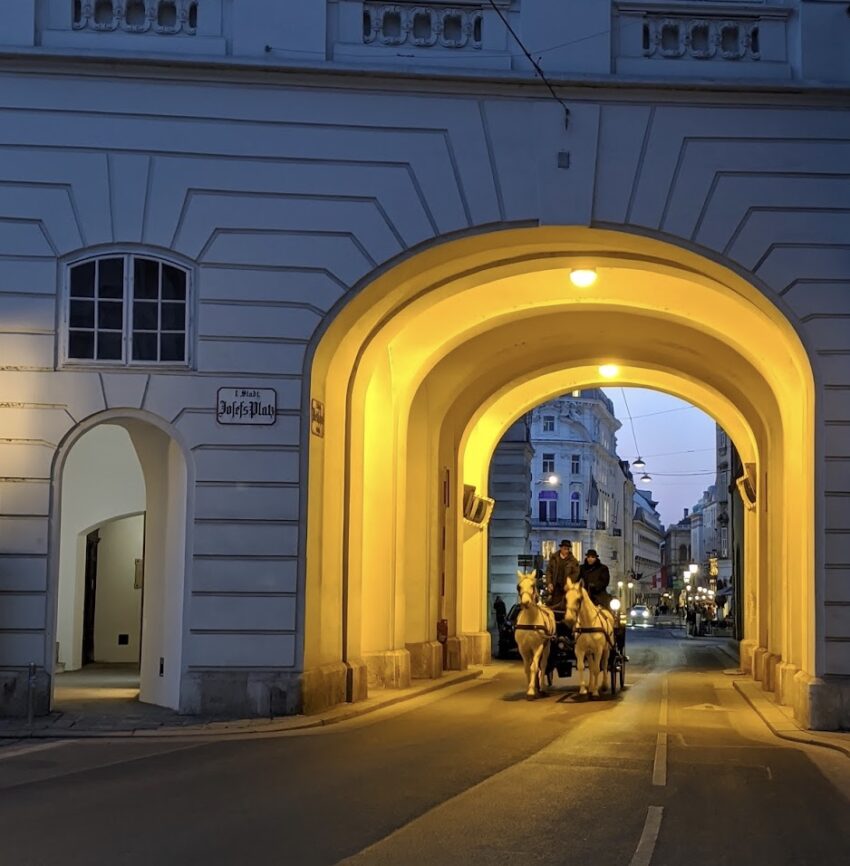
Vienna to Salzburg by Train
Austria is a perfect example. The train from Vienna to Salzburg is practically a highlight reel of Habsburg history. If you hop off at Melk, the Benedictine Abbey rises above the Danube like a golden crown. A short local bus takes you up the hill, but even from the train window you can see its massive Baroque façade glowing in the afternoon light.
Further west, the fortress of Hohensalzburg dominates the skyline long before your train pulls into Salzburg Hauptbahnhof. I’ve stayed in guesthouses on the city’s quieter side streets, places where the owners still greet you with a slice of cake and a key that weighs as much as a small hammer.
Then there’s the Czech Republic, where the rail lines feel like they were designed specifically for castle chasers. The route from Prague to Český Krumlov is one of my favorites. The train ambles through forests and farmland before arriving in a town that looks like it was sketched by a Renaissance painter. The castle tower, painted in sherbet colors, rises above the river bend. It’s a short walk from the station, but the cobblestones are no joke, especially with luggage.
“Many of these authentic, tucked‑away stays are located on hillsides or medieval lanes that weren’t exactly designed with modern luggage in mind.” I’ve learned to pack lighter and to always check whether a guesthouse offers pickup.
France offers a different kind of castle‑by‑rail experience. The Loire Valley is the obvious draw, but the real magic happens when you take the slower TER trains instead of the TGV. On the TER from Tours to Blois, the countryside opens up like a watercolor painting. Vineyards, stone farmhouses, and the occasional turret peeking above the trees.
Blois itself has a château that feels like a sampler platter of French architectural styles. From there, you can hop to Amboise or Chenonceau, both reachable by regional trains and short walks or shuttles. I once stayed in a farmhouse outside Amboise where the owner kept a flock of geese that acted as the unofficial welcoming committee.
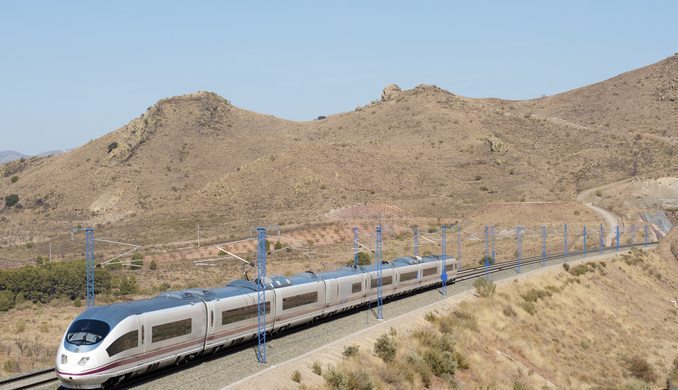
Spain’s Sleek AVE Trains
Spain surprised me the most. I had always associated Spanish rail travel with the sleek AVE trains, but the regional lines are where the real discoveries happen. North of Madrid, the train to Segovia climbs into the Castilian plateau, and suddenly the Alcázar appears, perched on a rocky outcrop like the prow of a ship. It’s a short bus ride from the station, but the view alone is worth the journey. Further north, in Asturias, the narrow‑gauge FEVE trains wind through mountains and fishing villages, passing small fortresses and manor houses that rarely make it into guidebooks.
What ties all these experiences together is the sense of place that comes from choosing the right accommodation. “The areas surrounding major European train stations are dominated by generic, corporate hotel chains that provide comfort but zero character.” After a day spent wandering castle courtyards and medieval lanes, returning to a room that looks like it could be anywhere in the world feels like a betrayal of the journey.
That’s why I’ve become almost obsessive about finding stays that match the mood of the trip. Renovated farmhouses, old manor houses, even the occasional castle hotel if the price is right. Cozycozy has been a lifesaver for this, pulling listings from everywhere so I don’t miss the quirky places tucked between the big platforms.
Routes Not Designed for Tourists
The more I travel this way, the more I appreciate the continuity of Europe’s rail and castle landscape. These routes weren’t designed for tourists. They were built along the same paths merchants, monks, and monarchs used for centuries. “By moving through Germany and into the neighboring borders of Austria or the Czech Republic, you’re following the same paths that merchants and monarchs have used for centuries.” That’s exactly how it feels. You’re not just moving through space. You’re moving through time.
And that’s why I keep coming back to rail travel when I want to feel connected to Europe in a deeper way. It’s not the fastest method, and it’s not always the simplest, but it’s the one that makes me feel like I’m part of the story rather than just passing through it.


- Rail and Castle: A Guide to Europe’s Most Iconic Routes by Train - May 14, 2026
- Slow Travel in 2026: Why Fewer Places Create Better Journeys - May 12, 2026
- How People Pay for Travel Today - May 5, 2026