
Traveling to Valencia Spain

By Paul Shoul
Senior Writer
On October 29, 2024, Eastern Spain, including the autonomous community of Valencia, experienced the worst flash flooding in the country’s history. Whole towns were devastated. The scale and speed of the destruction were almost biblical. A year’s worth of rain fell, and over 232 people were killed.
I just returned from a trip to Valencia in March 2025 and am happy to report that the region is recovered and thriving. There has never been a better time to travel there.
Here are some highlights, tips, and suggestions for what to do, where to stay, and what to eat in this extraordinary region of Spain.
Valencia City
The capital city was mostly spared from recent floods due to the diversion of the Turia River in 1957.

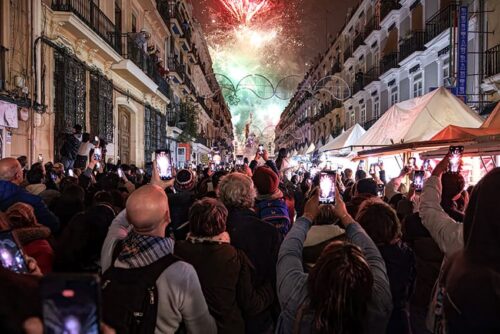
Imagine, if you will, tens of thousands of people, many of them at varying stages of inebriation, some carrying boxes of explosives, crammed into city streets, partying while winging firecrackers everywhere and setting off rockets. Now multiply that tenfold, and you will begin to envision the controlled mayhem that is Las Fallas.
Make no mistake, this is also a family affair. There are special children’s Fallas, comic book and fantasy-themed sculptures, sweet fried churros, and ice cream stalls. Many parents applauded their young sons and daughters as they set off fireworks on the streets.
Police and firefighters in Valencia regularly visit public schools to teach children how to use fireworks safely. The legal age for children to blow stuff up is only eight years old…with parental guidance.
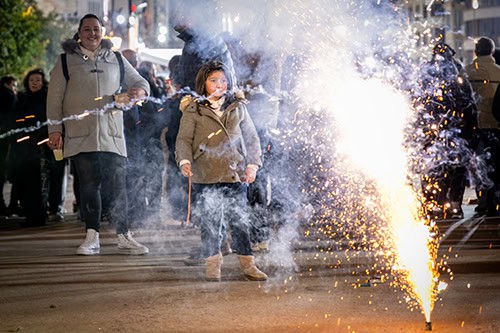
As one Valencian said to me, “Sure, someone will get hurt tonight, maybe lose a finger or even an eye, but look at all the fun we are having—it’s worth it!”
Las Fallas originated in the 15th century, when carpenters cleaned out their shops in spring by lighting bonfires to burn their scraps and the wooden stands (Parots) of the oil lamps that illuminate the dark winter months.
Gradually, a tradition of dressing the piles with old clothing developed into sculptures of humor, social commentary, eroticism, and satire.
It has grown to now include over 800 sculptures, some over 100 feet tall, scattered throughout the city’s neighborhoods. UNESCO has declared it an Intangible Cultural Heritage of Humanity.
Las Fallas occurs from March 1 to the 19th every year. There are nightly fireworks, parades of Falleras in traditional “traje de fallera” dresses, and finally, on the 19th, La Crema, when all of the fallas are burned.
Valencia’s Paella
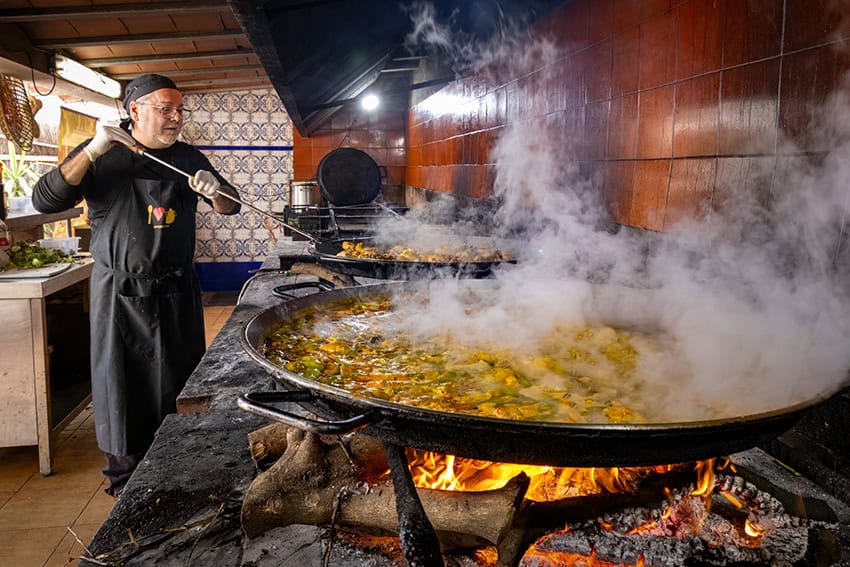
Valencia is the birthplace of paella, a dish with humble beginnings. It was born from the bomba rice fields, local ingredients, and the name of the large, wide pan, which is easy to place over a working farmer’s fire. It has become a worldwide culinary phenomenon, but as with tapas, the name alone does not make the dish. There are right and wrong ways to make paella, and cooking improperly can result in a soggy risotto. Valencians call this mistake “arroz con cosas” (rice with things). Chances are, unless you travel to Valencia, that’s what you have been eating.
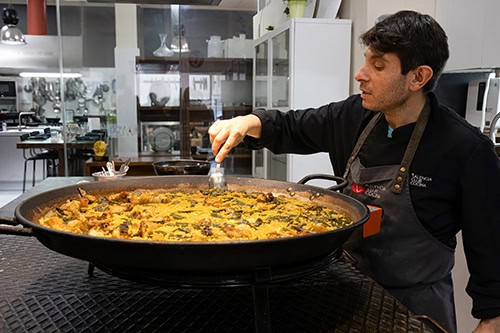
Authentic paella is all about the rice’s rich flavor and almost al dente texture. It is crunchy on the bottom and traditionally made with garrofo (large white beans), ferraura (beans), snails, tomatoes, saffron, water, stock, and rabbit or chicken.
While in Valencia city, learn how to make authentic paella at Valencia Club Cocina. Having a glass of wine with new friends while learning to cook regional specialties with expert chefs in an outstanding kitchen was a blast and gave me new skills to take home. A delicious deep dive into paella.
Toni Montoliu has won countless paella awards. Trying to keep up with him was a challenge at his family farm while he picked fresh vegetables for the day’s feast. La Barraca de Toni Montoliu in Meliana, near Valencia, offers the authentic paella experience. Just eat at the restaurant or join in to help cook the massive paella pans over a wood fire.
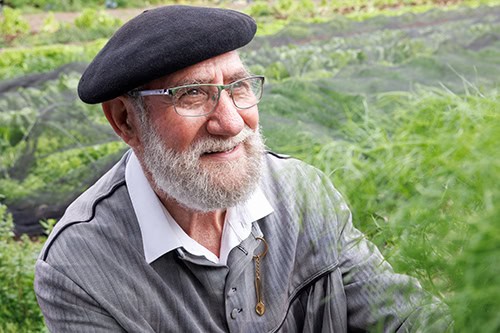
At the end of cooking, they stoke the fire with dry grass to crisp up the bottom of the rice, called the “socarrat”, the choicest part of the dish. Toni said, “I listen for it to sing to me, then I know it’s done.”
City of Arts and Sciences
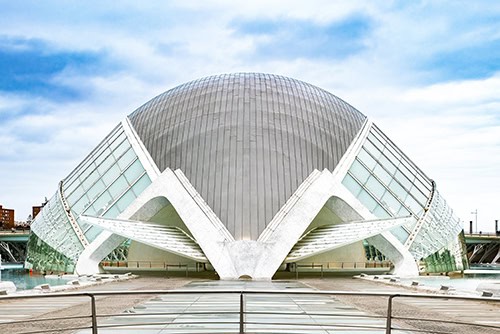
Valencia’s City of Arts and Science, designed by Santiago Calatrava, blends science, nature, and futuristic design. Opened in 1998, it houses attractions like the Oceanogràfic and Hemisfèric, Europe’s largest aquarium.
You could spend the day getting lost in the science museum or the Palau de les Arts. A feather in the city’s cap, this is a must-visit while in Valencia.
The Costa Blanca
About a two-hour drive from Valencia city, the Costa Blanca (White Coast) extends 120 miles along the Mediterranean Sea within the Atomus community of Valencia.
Benidorm
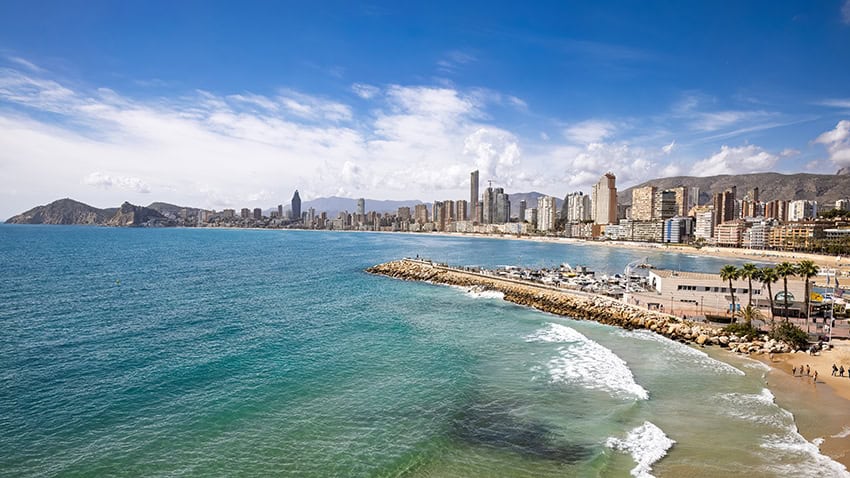
They call this city the New York of the Mediterranean. Skyscraper hotels line 4 miles of picture-perfect beaches. It is a popular resort town with many tourists from the UK, Ireland, Norway, Belgium, and “snowbirds” who spend the entire winter.
All along the beachfront is a beautiful tiled promenade, packed with people and lined with outside dining, bars, and small shops.
For good eats try Marisquería Posada del Mar. Excellent fried fish, octopus, and squid. The “Arroz a Banda” rivals the best paella.
For a luxurious dessert, try the original recipe cream at the family-run Helados Sirvent. They’ve been at it since 1950.
The city has made a huge effort to make everything ADA compliant. It is not uncommon to see people in motorized wheelchairs moving along with the crowds, even down to the beach.
We are all growing older. Benidorm wouldn’t be a bad place to end up.
Guadalest Valley
Only about 15 miles west of Benidorm, you must visit the El Castell de Guadalest. Built in the 11th century during Moorish rule, this historic fortress perched atop a mountain is reached by a gate carved through solid rock.
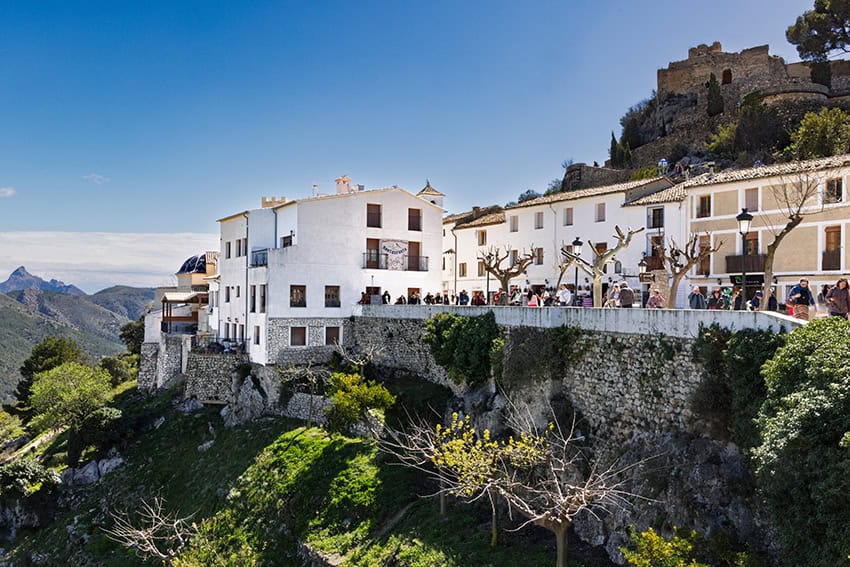
From here, you can enjoy stunning views of the valley, the super-blue waters of the reservoir, and the village below.
This is one of the most visited spots in Spain. There will be crowds, but it is worth it.
Bodega Masos Guadalest at the foot of the Aitana mountain range in Alicante, produces exceptional wines unique to the high altitude and limestone soil of the Guadalest valley. You can book a visit for wine and olive oil tastings. Try the food and wine pairing menu at their delicious Ca Marieta restaurant.
Villajoyosa
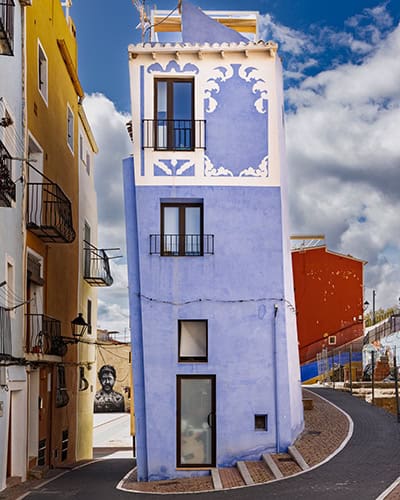
Walking through the streets in the historic center of Villajoysa is psychedelic. The ancient twisting streets are a little off kilter. Sunlight and shadow accent bright blue, red, pink, and yellow buildings, painted with intense color so fishermen could find them from a distance when returning home.
Laundry hangs from wrought iron railings, fluttering from the ocean breezes. There is music and the smell of baking bread. The narrow streets lead out to a wide, palm tree-lined esplanade along the beach.
This incredibly picturesque coastal town has over two miles of some of the best beaches in the region and a long history of chocolate making. We were passing through on our way to Alicante.
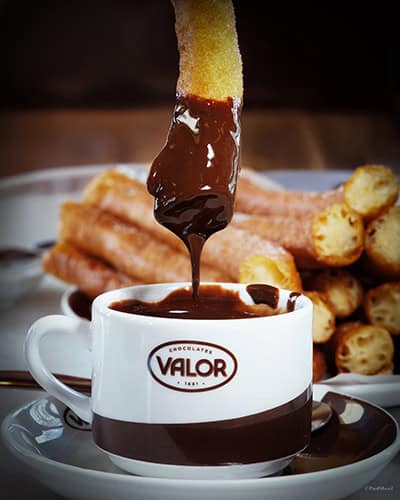
The perfect boost for the rest of the trip was a stop at the famous Valor Chocolates for the ultimate freshly made churros and hot chocolate. This isn’t made from some powdered mix. It is simply a cup of hot, melted chocolate with a touch of water for a smooth consistency. So good.
Altea
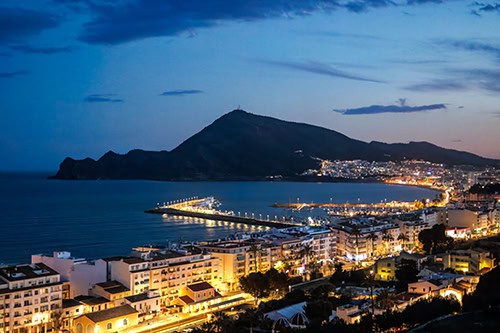
Just 14 miles down the Costa Blanca from Villajoyosa, Altea is a historic town on a hill. It’s a maze of historic whitewashed cobblestone streets that wind down to yet another excellent “hidden gem” stretch of beach. The town’s bay is protected by the Sierra Bernia mountains, giving it mild weather year-round.
Lots of superb restaurants, art galleries, and boutique hotels. It has a very Bohemian feel with a rich artistic heritage that has attracted many painters, sculptors, and musicians.
At Hotel Abaco, in the center of the old town, each room is unique in this historic former 18th-century bakery. The hotel also offers a variety of workshops with local artists.
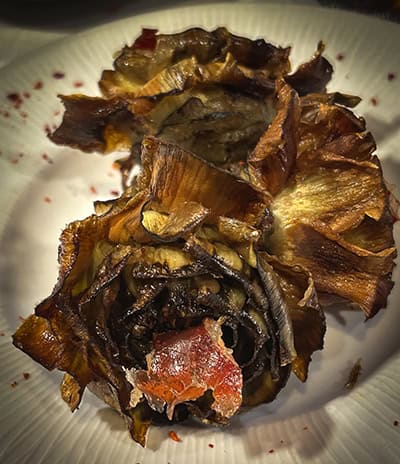
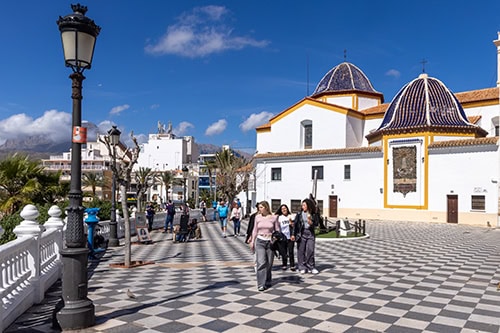
The view of the bay from the top of the hill is spectacular. Visit the Church of La Mare de Déu del Consol (“Our Lady of Solace”), with its blue and white domes, tiled with glazed ceramics.
For wonderful Mediterranean food, try La Capella Restaurant. It is right next to the church in an old family home where you can dine on a terrace overlooking the bay. Their fried artichoke served with Joselito Iberico ham was the best of the trip.
Alicante
Looking over the city from the Castle of Santa Bárbara, on the top of Mount Benacantil, it’s obvious why Alicante has been a center of travel and trade for millennia. The castle, with a commanding 360-degree view of the coast and interior, is one of the largest medieval fortresses in Spain.
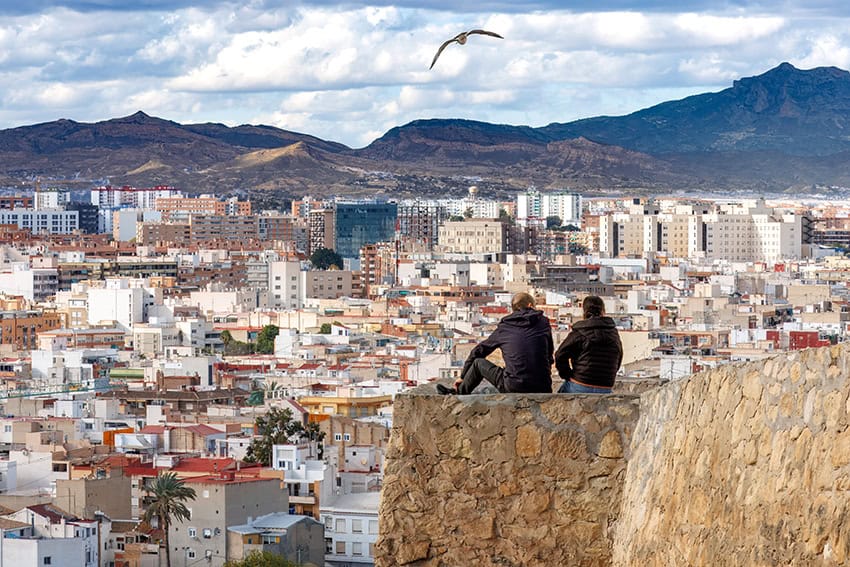
Within its walls, there is evidence of a long, tumultuous past under Muslim rule, French bombardments, British occupation, and as a Francoist concentration camp.
It is a steep climb up the mountain. My suggestion is to drive or take one of the regularly scheduled microbuses to the top, and then walk down through the historic old town to the city center to the Explanada de España, an extraordinary tiled promenade along the beach.
Alicante is one of my favorite port cities in Spain. It is charismatic. There is a growing expat community, and I can see why. It just feels good here.
Many exceptional restaurants and bars are serving locally sourced traditional food, as well as lots of packed outdoor seating cafes bustling with the Spanish tradition of eating, talking, and drinking for hours.
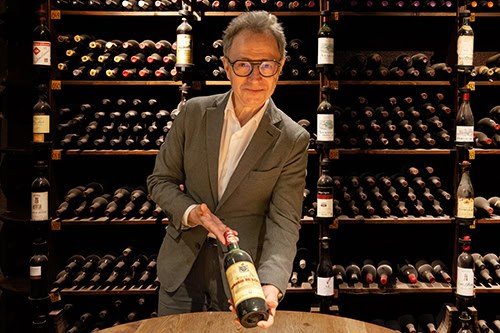
For an upscale deep dive into local cuisine, check out Nou Manolin Piripi Pópuli. The restaurant is vast, spanning three floors. The wine cellar is one of the best in Spain and the tapas bar, frequented by culinary luminaries, is one of the hottest food scenes in the city.
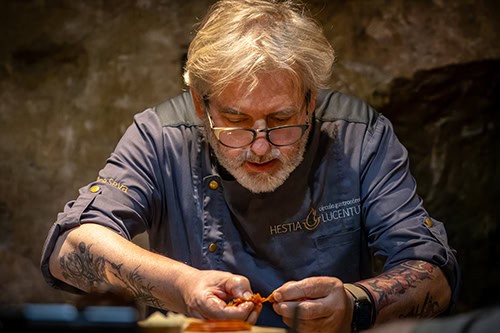
For the best meal in a city of best meals, learn how to make it yourself at one of the cooking courses at Hestia Lucentum. Chef-owner Jaime Seva walked us through making tapas and revealed the secrets of Alicante rice. Super educational, fun, and delicious. Highly recommended.
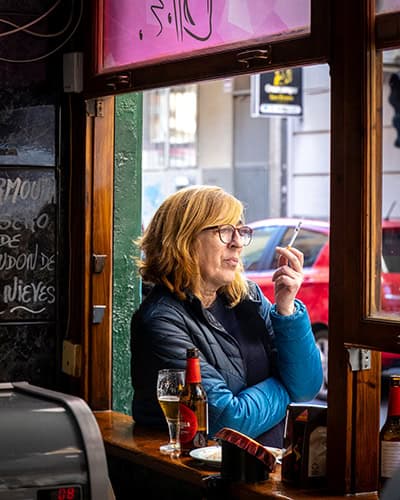
Like every city in Spain, my favorite places are the local markets and small neighborhood bars. These are the ones that serve a few tapas, good drinks, and conversation. Where you can just hang out.
Make your way to the Central Market of Alicante, with over 290 stalls, and then park yourself at the Bar Aki Pikamos Alicante. It was full of laughter and the patatas bravas were garlicky perfection.
Thank you Valencia. I will be back.
Where to stay:
Valencia city Novotel Valencia Lavant
Benidorm Hotel Mercure Benidorm
Alicante Hotel Serawa Alicante
The author’s trip was sponsored, but the opinions are his alone.


Paul’s photography is rooted in first‑hand experience and human connection. He has documented everything from street food vendors in Mexico to musicians in Cuba, from small‑town festivals in New England to remote villages in the Balkans. His signature style — candid, close‑up, and emotionally honest — has made his work a defining visual element of GoNOMAD.
His images have appeared in newspapers, magazines, tourism campaigns, and exhibitions, and he is widely recognized for his ability to capture the spirit of a place through the people who live there. Paul’s travel writing combines practical insight with a photographer’s eye for detail, offering readers a vivid sense of what it feels like to stand in the scene he’s describing.
When he’s not on the road, Paul is based in Western Massachusetts, where he continues to shoot, teach, and explore the world through his lens.
- Foxwoods: Fantastic Food and Fun - March 6, 2026
- Traveling to Valencia Spain - May 22, 2025
- Moments in Mallorca - April 14, 2025


April 23, 2026 @ 2:55 pm
This is a really engaging and informative guide to Valencia! I love how it captures the city’s vibrant culture—from the energy of Las Fallas to the rich food scene, especially authentic paella. The mix of practical tips and personal experiences makes it easy to picture the destination and plan a trip. It’s a great reminder that Valencia offers a perfect balance of history, cuisine, and coastal charm.
April 22, 2026 @ 1:31 pm
This article paints a vibrant and inviting picture of Valencia as a destination that blends culture, history, and coastal relaxation. I really enjoyed how it highlights the city’s unique mix of modern attractions and historic charm, making it appealing for all types of travelers. The emphasis on great food, sunny weather, and a laid-back lifestyle truly captures Valencia’s essence—it sounds like a perfect place to explore, unwind, and soak in authentic Spanish culture.