
UNESCO World Heritage Sites: 7 Intriguing Additions
7 of the Newest Global Landmarks to be Deemed UNESCO World Heritage Sites
By Sarah Arksey
Associate Writer
Frequent travelers have stumbled across at least one UNESCO World Heritage Site in their lifetime. In 2023, 42 new sites joined this expansive list- stretching from South Korea to Iran to Latvia. Now, the famed list contains just over 12,000 sites. Read on for a look at 7 of the most intriguing 2023 additions!
UNESCO Selection Process
How does a significant site pursue UNESCO designation? To begin, the UNESCO committee– which represents 190 countries– compiles a “tentative list” of eligible nominees.
This includes any sites that meet at least one of ten UNESCO criteria– sites that represent human creative genius, an important interchange of the human intellect, a cultural testimony in a unique way, an outstanding example of architecture or human settlement, To be included, sites must be found to hold Outstanding Universal Value.
2023 Heritage Sites
Tr’ondëk-Klondike in Canada’s Yukon territory is an eight-part protected region that represents a relatively complete archaeological image of the Tr’ondëk Hwëch’in, an indigenous group that has resided there for thousands of years.

Tr’ondëk Hwëch’in First Nation is a self-governing registered indigenous population with roughly 1300 members. This region was the site of the Klondike Gold Rush, which centered around Tr’ondëk-Klondike’s most populous settlement, Dawson City.
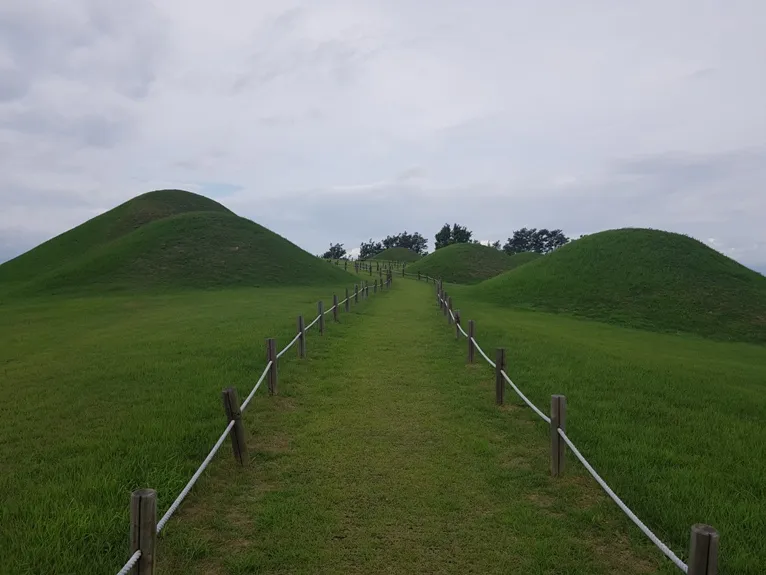
Moving across the Pacific to South Korea, the hauntingly beautiful ancient burial mounds known as the Gaya Tumuli have found historic protection as a 2023 UNESCO addition. This site consists of seven burial grounds, created by members of the Gaya Confederacy between the 1st and 6th centuries CE. Here, political leaders of high status were buried in above-ground tombs, which today can be seen as grassy hills with an eerie, landscaped appearance.
The owner of popular blog travelworldheritage.com, Julio Moreno, 38, believes that the Gays tumuli have a well-deserved spot on the 2023 UNESCO list. “Despite being in Korea for centuries, not much is known about the Gaya confederacy,” says Moreno, referring to the Gaya as a lost culture.
When asked if he had any tips for potential travellers, Moreno’s advice was to read up on the Gaya before visiting— “To be honest, it is not exactly the most impressive monument if you know nothing about the Gaya.”
In the heart of Central Asia, we find the Cold Winter Deserts of Turan, an arid region spanning from the Caspian Sea to the Turanian mountains. These deserts have an extremely harsh climate, alternating between frigid winters and scorching summers. A fascinating range of unique flora and fauna has adapted to this polarity, making the deserts incredibly important to researchers studying biodiversity and ecology. The deserts span internationally across Kazakhstan, Turkmenistan and Uzbekistan.
Latvia’s Old Town of Kuldīga was granted a spot on the list due to its exceptional preservation of a medieval urban settlement. Kuldīga evolved from a small village to an important political center between the 16th and 18th centuries CE when the first ruler of the Duchy of Courland and Semigallia, at which point it became an important trading hub for Baltic craftsman.
Kuldīga was among the few Baltic towns that survived World Wars I and II largely unscathed, making it an important example of medieval Baltic urban planning and architecture.
Moving south to Czechia, the town of Žatec has been UNESCO designated, largely for its surrounding agricultural landscape, which is perfect for cultivating Saaz Hops. These hops are the most renowned variety in the world and are used globally in the production of beer.
In Žatec, beer has been brewed using these hops for several hundred years, and the town is home to the largest hops warehouse in the world. Many films– including Oliver Twist and Les Miserables– have been shot in picturesque Žatec. The town’s fitting motto is: History, Hops, Beer, Atmosphere!
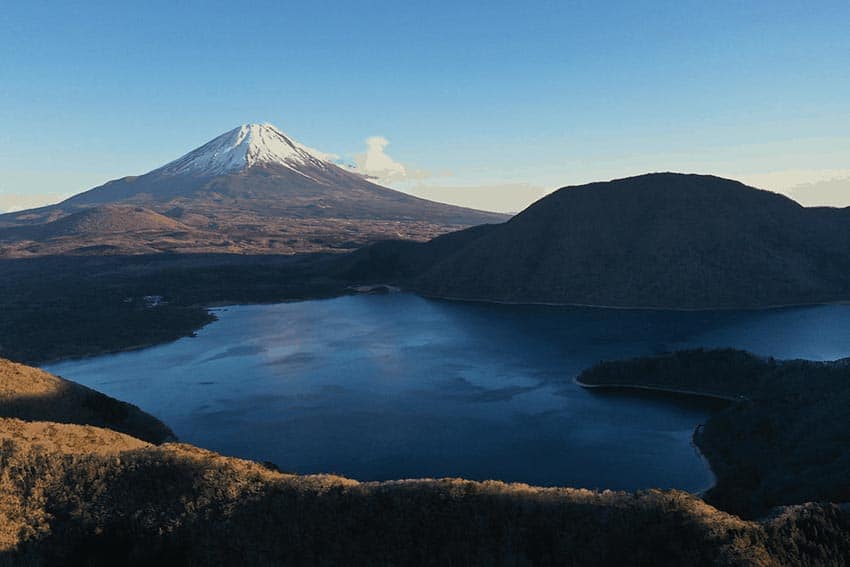
Finally, the Volcanoes and Forests of Mount Pelée and the Pitons of Northern Martinique in the Caribbean were designated, mainly for their representation of volcanic processes. An eruption that took place in this range in 1902– considered the deadliest volcanic event of the 20th century– has been used extensively to research volcanic activity. The region is also home to endangered species such as the Martinique Mountain Frog.
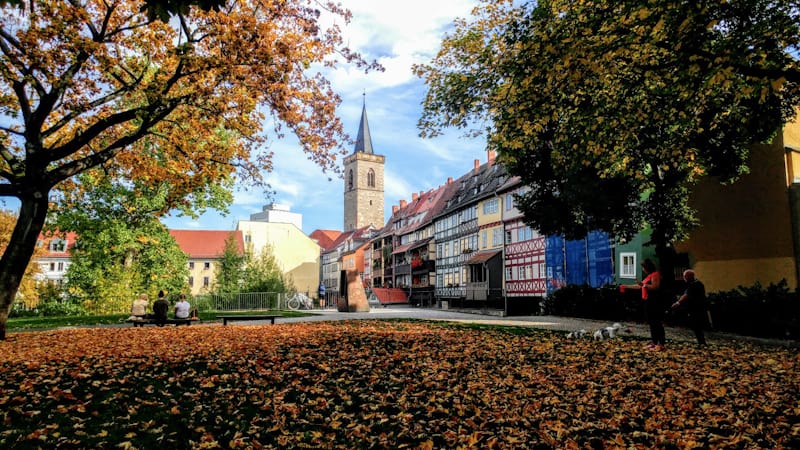
The Jewish-Medieval Heritage of Erfurt, Germany has come under UNESCO protection. In particular, three monuments of importance to Jewish history are designated: the Old Synagogue, the Mikveh (Jewish ritual bath), and the Stone House (a 12th-century residential building).
These buildings offer incredibly well-preserved examples of Central European Jewish architecture and provide insight into the life of the local Jewish community during the Middle Ages. This site is only the second UNESCO designation that protects Jewish heritage in Germany- coming two years after a collection of sites in the southwestern German towns of Speyer, Worms, and Mainz were granted UNESCO protection.
24 New World Heritage Sight Additions for 2024
UNESCO also recently announced its 2024 additions. In July, 24 new sites were added from various countries across Europe, Asia, South America, and Africa. Current events appeared to play a role in the selection of these sites.
One notable addition is the Tell Umm el-‘Amr (or Saint Hilarion Monastery), a Christian monastery in the Gaza Strip that dates back to the 4th century. Understandably, this ancient relic is presently in dire need of protection, due to the high risk of military attack in the region. Tell Umm el-‘Amr was also added to the List of World Heritage in Danger.
Gary Arndt on the Plight of UNESCO Politics
Gary Arndt of Everything Everywhere– a world traveler with over 20 years of voyages under his belt- has personally visited many

UNESCO-designated sites. Of the 2023 additions, he’s visited one: Yukon’s Tr’ondëk-Klondike. Arndt has been traveling for nearly 20 years, having sold his house in 2007 to see as much of the world as possible. He’s now visited 140 countries across seven continents and resides only in temporary accommodations rather than owning property.
Arndt has a bit of contempt for the UNESCO system of designation: “We’ve reached a point where the most notable sites in the world have already been listed. Now, the newly listed sites tend to be marginal compared to those listed earlier.” he said.
Arndt also points out that the UNESCO system has often been flagged for unfairness- “UNESCO doesn’t just pick sites they think are worthy. They have to be nominated by the country. Some countries devote millions of dollars for their submissions and get one every year,” explains Arndt.
“There is a lot of quid pro quo amongst countries on the committee and rumors of outright bribery.”


- Community-Based Tourism: Experience Ecuador Like a Local - December 4, 2024
- Lubbock: Surprising Hub of Creativity and Wine - November 8, 2024
- UNESCO World Heritage Sites: 7 Intriguing Additions - October 28, 2024





November 5, 2024 @ 11:52 pm
Such an insightful overview of these new UNESCO World Heritage Sites! Each location offers a unique blend of history, culture, and natural beauty. It’s amazing to see the world’s treasures being recognized and preserved. Truly inspiring to learn more about these incredible sites.