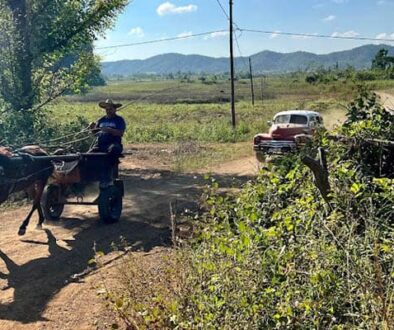
Community-Based Tourism: Experience Ecuador Like a Local

Help Local Populations Thrive with Community-Based Tourism
By Sarah Arksey
Associate Writer
With its rich cultural heritage, lush landscapes, and diverse activities, Ecuador is a bucket list destination for many. While you could simply hop on a plane and book a hotel, travelers wanting to experience a deeper connection with local life may be interested in community-based tourism.
This unique touristic experience places travelers with Ecuadorian families nationwide for complete cultural immersion. A rep for Ecuador’s Ministry of Tourism says that intrigued visitors can “explore the Andes with the Kichwa people, learn weaving in Salasca, or delve into the Amazon with Shuar guides”, seeing a side of Ecuador many tourists may barely scratch the surface of. In addition to having a fulfilling travel experience, travelers will contribute to environmental sustainability rather than the overconsumption often present in traditional tourism.
Why Choose Community-Based Tourism?
A 2014 United Nations report found that in regions popular among Western tourists, such as Latin America, ‘tourism leakage’– the process

of funneling tourism profits away from locals– was as high as 70%. Community-based tourism is a direct antithesis to this– the practice can be a powerful remedy for capitalistic over-consumption, allowing communities to thrive rather than deteriorate.
In fact, as we continue to emerge from the COVID-19-related throttling of social gatherings and travel, community-based tourism appears to be in particularly high demand– expected to quadruple in market value over the next decade. At last, it appears that fed-up consumers are turning to more authentic tourism experiences that foster real human interaction– along with the preservation of our planet’s ecosystem. In 2023, the World Travel and Tourism Council (in collaboration with Trip.com) reported that 69% of travelers desire sustainable travel.
Santiago Granda Delivers the Details

GoNOMAD spoke with Ecuador’s Vice Secretary of Promotion, Santiago Granda, to learn more about this intriguing tourism practice.
GoNOMAD asked Granda what he would say to someone interested in community-based tourism, but finds it out of their comfort zone– acknowledging that, for some, travel means a few nights at a domestic chain hotel. He says that while Ecuador is the perfect place for an awe-inspiring adventure, it doesn’t have to be overwhelming– Ecuador offers an experience for every style of traveler.

Scores of rainforest lodges allow visitors to experience both adventure and comfort. The Napo Wildlife Center allows visitors to experience the untouched splendor of the Amazon, while returning to luxurious accommodations and gourmet food at the day’s close. Other popular lodges include Minga, La Selva, and Sacha– the latter of which is home to the only canopy walk in Ecuador, which allows you to explore the rainforest treetops via a system of suspended walkways!
Granda says that the results of implementing community-based tourism have been immensely positive– economically, socially, and environmentally. It has been particularly life-changing for rural Ecuador’s women, who are empowered by the additional opportunities to earn an income.
So, what does Granda look forward to most about the future of community-based tourism? He’s eager to mindfully integrate the private sector, bridging the gap between private investors and the wider community.
Indigenous Connection

Frequently, engaging in community-based tourism means connecting with a nation’s Indigenous population. Granada says that community-based tourism ”was largely started by Indigenous communities looking to preserve their culture– and their natural surroundings as well– by offering sustainable forms of income.”
Community-based tourism began to rapidly rise in popularity in the 1990s, which saw massive strikes which blocked the nation’s major roads. With thick rainforests and mountains surrounding them on all sides, those who were away from home when the strike hit had no choice but to rely on the hospitality of local communities.
“They said, look, I can’t go anywhere– I can’t go forward or backward, I’m trapped. If you have a chance to open your house, can I stay with you tonight? I’ll pay for it,” Granda recalls. The communities quickly realized that there was an untapped opportunity to make money and share their traditions, language, and knowledge with domestic and international tourists.
Each of Ecuador’s Indigenous communities plays an important role in the country’s maintenance and offers unique experiences for travellers. The Quechua are stewards of the land and experts in sustainable agriculture. The Tsachila preserve ancestral traditions and are often purveyors of plant medicine such as ayahuasca– a powerful psychedelic that some users have credited with healing mental illness and trauma– and achiote, used to prevent illness and color hair a recognizable shade of red.
Protecting Delicate Ecosystems

Perhaps the most famous region of Ecuador, the Galápagos Islands are home to an impressive number of endemic species– meaning they are not found anywhere else on Earth. It was here that Charles Darwin formed his theory of evolution. The ecosystem of the Galápagos is as delicate as it is unique, and great care is necessary in order to protect this special place from destruction.
Granda says that the cost to enter Galápagos National Park was recently raised from 100 to 200 USD per adult (and 50 to 100 per child) in order to fight overtourism, and strict limits have been placed on the number of visitors allowed to visit per day. This increase aims to support the archipelago and its people, rather than turn a profit. Half of the entrance fee goes to maintaining the park itself, while the other half goes to the community– a steadily increasing population of 33,000 people.
“We have the stewardship of Galápagos in our own hands,” says Granda, adding that the Galápagos should ideally attract travellers with a deep respect for the land, rather than tourists geared towards consumption.
To GoNOMAD’s readers, Granda has the following message: “I invite you to Ecuador if you are looking to travel with purpose.”
Go Global with Community-Based Tourism
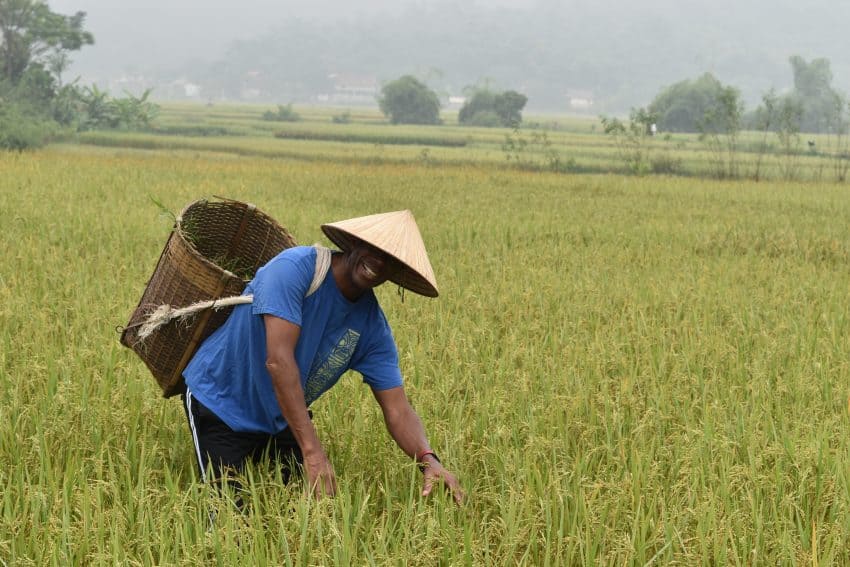
Community-based tourism isn’t just taking off in Ecuador- enthusiasts can allow this practice to take them around the world. One community that has implemented this is Ile de Re, an island of the western coast of France, which invites travelers to immerse themselves in the local way of life. This involves getting hands-on in the island’s farming, fishing, and saltworking industries- all of which have been critical to the island’s success for generations. During the warmer months, guests are welcomed and encouraged to learn the ropes of salt production- and all fees are retained by the saltworkers.
Other parts of the world that have embraced community-based tourism include Ethiopia, where visitors can trek the Simien Mountains, sit fireside and enjoy traditional meals like wot (spiced meat stew) soaked up with injera (spongy flatbread) cooked by your temporary neighbors, and drink strong, ceremonial coffee produced by local farmers.
In Vietnam, visitors have the opportunity to visit wonderfully diverse villages across the country, each with their own unique cultural themes. Adventurous folks may feel drawn to Si Thau Chai, where visitors can get a first-hand look at the flagship local crafts, weaving and blacksmithing. Visitors can also take part in exciting outdoor activities such as paragliding, mountain biking, and mountain climbing.
Food and wine lovers may be more inclined to visit Sung Village, where visitors can enjoy locally sourced chicken and fish as well as fermented rice wine. Visitors can even join locals in rice transplanting, should they visit during the winter months!



- Community-Based Tourism: Experience Ecuador Like a Local - December 4, 2024
- Lubbock: Surprising Hub of Creativity and Wine - November 8, 2024
- UNESCO World Heritage Sites: 7 Intriguing Additions - October 28, 2024