TEFL: The Passport That Fits in Your Backpack
 By Lauren Ham
I used to think teaching English online was one of those too‑good‑to‑be‑true internet fantasies. The kind of thing that pops up between cat videos and flight deals, promising freedom, beaches, and a laptop lifestyle that looked suspiciously like a stock photo.
Then one gray morning, stuck in traffic and staring at the same bumper sticker I had seen for months, I started wondering if maybe the people teaching from cafés in Lisbon or apartments in Seoul weren’t just influencers with ring lights.
Maybe they were real teachers with real students and real paychecks. That curiosity nudged me into the world of TEFL, a world filled with acronyms, accreditation bodies, and people quietly building new lives from their laptops. I found out about a place where I could teach English and get a whole new life. What made The TEFL Institute stand out to me was not just the accreditation, but the way they support the life that often comes after the certificate, and of course, reviews.
The first thing I learned was that one number mattered more than anything else. One hundred and twenty. A 120-hour TEFL certification is the global baseline, the key that opens the first door. Schools in Spain, language centers in Vietnam, and online platforms across Asia and the Middle East all look for that minimum. It is the difference between daydreaming about teaching abroad and actually getting an interview. Once I understood that, the rest of the puzzle started to make sense.

Then I discovered the alphabet soup that decides whether your certificate is taken seriously. Ofqual. Level 5. Highfield. Qualifi. They sound like characters from a British detective show, but they are the organizations that regulate TEFL courses and determine whether your qualification carries weight.
A Level 5 TEFL diploma sits in the same band as a CELTA, which suddenly becomes important if you want better-paying jobs in places like the Gulf, Japan, or the EU. I learned quickly that choosing a TEFL course is less about the marketing on the homepage and more about the tiny accreditation logo tucked at the bottom. Other names kept showing up as I researched the best online TEFL options. Premier TEFL is one of them.
Not Twenty Years Old
What surprised me most was how many teachers were not twenty-year-olds backpacking through Southeast Asia. They were people in their thirties and forties, parents, remote workers, career changers, people who wanted more control over their time without blowing up their lives. Online TEFL training fits that reality. You can study after the kids go to bed, during lunch breaks, or from a train rolling through Portugal. The better programs let you revisit the material long after you finish, which becomes a lifesaver when you are about to teach your first class and suddenly forget how to explain the present perfect.
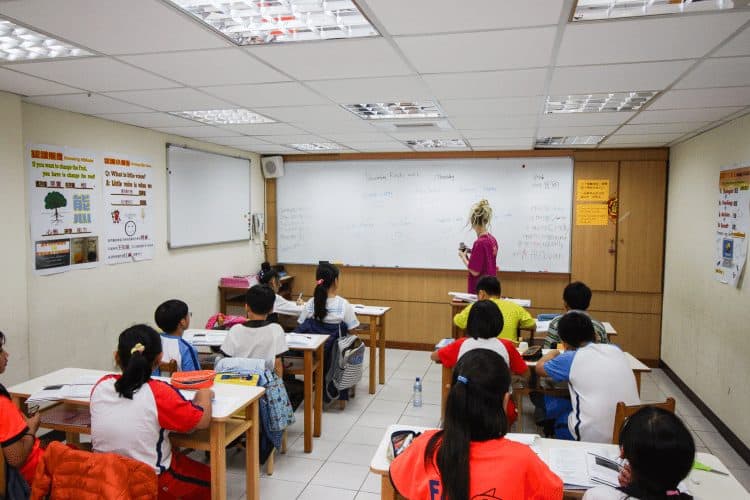
As I researched, one name kept appearing in conversations with teachers and in reviews. The TEFL Institute of Ireland. They offer Ofqual-regulated Level 5 diplomas and a range of programs that meet hiring standards in more than eighty countries. Their 180-hour Level 5 diploma blends core teaching theory with specialist modules and is regulated by UK awarding bodies, which quietly signals to employers that this is a serious qualification.
What stood out to me was not just the accreditation but the support that comes after the certificate. Their courses are self-paced and mobile-friendly, and they offer mentorship and job coaching that help new teachers navigate the maze of platforms and international schools. Graduates talk about landing jobs in Spain, South Korea, and online roles that pay between fifteen and forty-five dollars an hour. Some move into niches like business English or exam prep, where the rates climb even higher.
While I was talking to teachers, I kept hearing the same frustration. Once they finished their course, they felt overwhelmed by job boards, teaching platforms, and conflicting advice from Facebook groups. That is what led to the creation of TEFL Explorer, a digital hub that pulls everything into one place. Instead of juggling ten browser tabs, teachers can see their course modules, job leads, hiring platforms, and a weekly roadmap that shows exactly what to do next. It plugs directly into the TEFL Institute’s ecosystem so training, mentorship, and job hunting all live under one roof.
Premier TEFL and Others
Other reputable names surfaced as well. Premier TEFL, based in the UK, offers Ofqual-regulated Level 5 courses and internships that place new teachers in classrooms from Vietnam to Argentina. Their graduates are often the ones calling from coworking spaces in Bulgaria or from hostels in Latin America, stacking online teaching hours on top of paid internships and local language classes. International TEFL Academy and i-to-i TEFL also appear frequently, especially for North American teachers who want hybrid programs that combine online study with in-person teaching practice. Between these providers, most aspiring teachers can find a course that fits their budget, schedule, and travel goals.
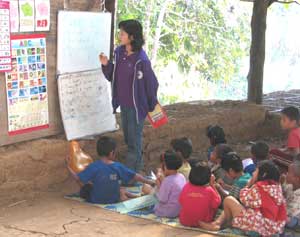
The more teachers I met, the more I realized that TEFL is not a shortcut. It is a modern trade. You learn how to unpack grammar for a teenager in Seoul, coach a nurse in Brazil through a speaking exam, and keep a group of eight-year-olds in Saudi Arabia laughing long enough that they forget they are practicing English. In return, you gain a skill you can carry anywhere. Your classroom becomes a digital space that follows you from Cork to Chiang Mai to a sunny town in Spain.
The lifestyle that comes with it is what finally convinced me. I remember talking to a teacher in Valencia who had built a rhythm that sounded like a manifesto for slow travel. She taught adults in Asia early in the morning, spent her late mornings walking the city or studying Spanish, then logged on again in the evening for exam prep sessions with students in the Middle East. Her TEFL certificate was not just a document. It was the quiet engine behind her rent, tapas, and regular train rides along the Mediterranean.
TEFL-Funded Freedom
Food became my own way of measuring whether this path was real. In Bangkok, my TEFL-funded freedom tasted like smoky pad thai from a street cart, noodles tossed in a hot wok while scooters buzzed past plastic stools. In Hanoi, it was bowls of pho at low metal tables, steam fogging my glasses between online classes. In Chiang Mai, I graded homework with fingers that still smelled of lime and chili from lunchtime papaya salad. Teaching online was never just about moving my office. It was about moving it closer to the food stalls.
If you are standing where I once stood, wondering whether this path is real, start with three simple checks. Look for at least a 120-hour accredited course, ideally a Level 5 diploma if you want maximum flexibility. Read unfiltered student reviews and pay attention to what people say about support and job outcomes. Then ask yourself what kind of life you want to build. If the answer includes more time, more movement, and more control, an accredited TEFL certification supported by a focused platform is one of the most practical ways to try on a different kind of life. It is a passport that fits in your backpack and opens more doors than you might expect.

Lauren Ham is an online English teacher and travel writer from the United States.


- Living Free as a Digital Nomad in Thailand - May 21, 2026
- The Quiet Travel Moments We Remember Most - May 21, 2026
- Portland Maine for Tasty Lobster and City Flair - May 20, 2026