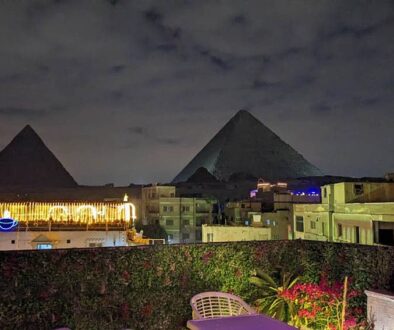
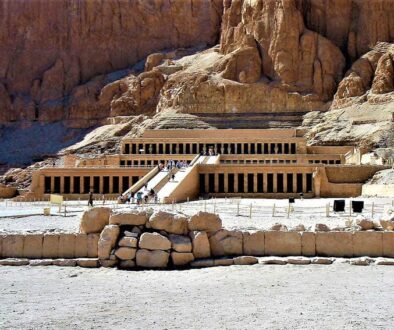
How I Chose the Best Nile Cruise in Egypt
By Sarah Jones

I had imagined the Nile long before I ever saw it. In my mind, it was a ribbon of blue winding through a golden desert, a place where time drifted as slowly as the current. When I finally arrived in Luxor and stepped aboard my ship, I felt that old childhood dream stir.
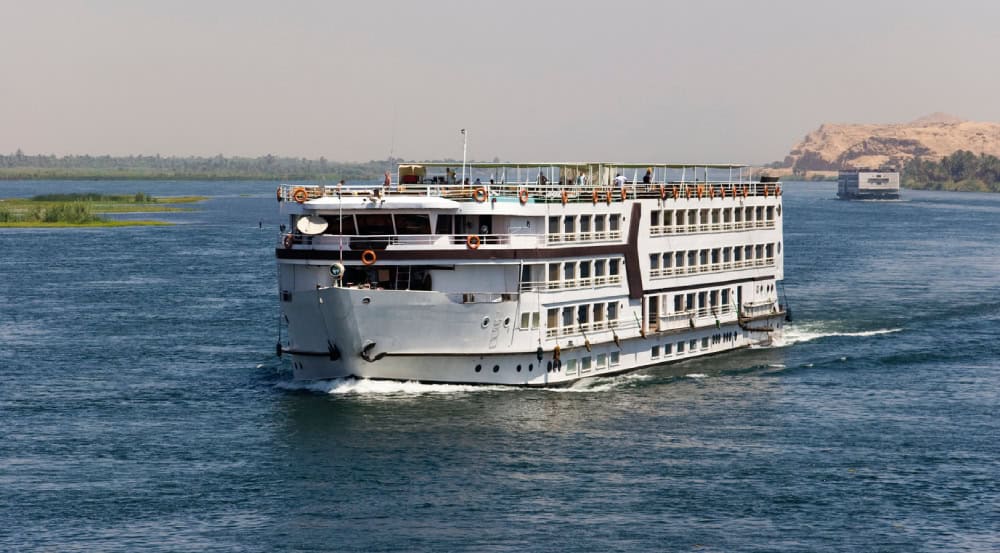
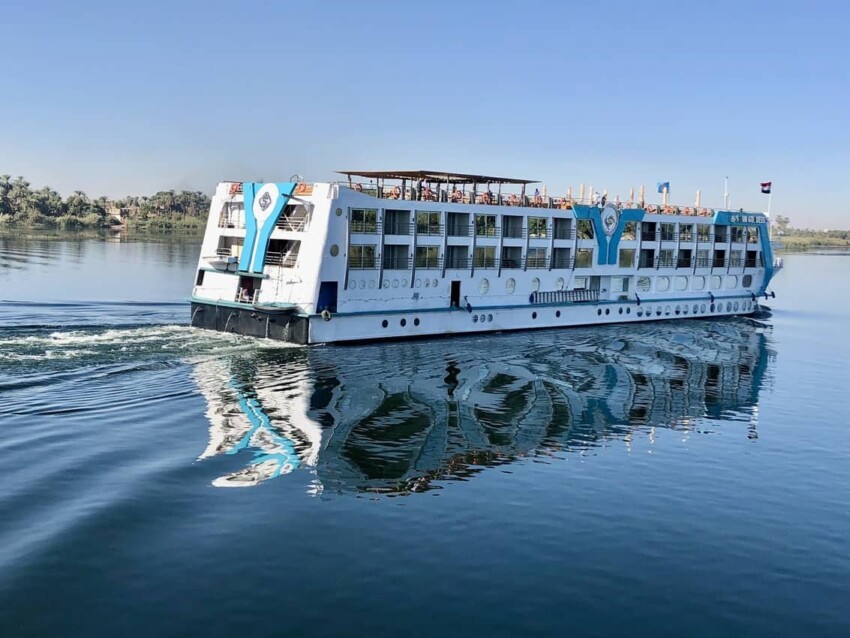
The deck smelled faintly of wood polish and river breeze, and my cabin window framed the water like a moving postcard. I didn’t want a giant floating hotel, so I chose a smaller vessel Nile River cruise, something with character and a little patina. It felt right, like the river and I were meeting on equal terms.
Luxor’s Greeting
Luxor greeted me with heat, color, and a kind of ancient gravity. My first morning, I walked through the towering columns of Karnak, their shadows stretching across the stone like sundials. I wandered away from the group and let my fingers trace the carved hieroglyphs.
The guide’s voice faded behind me as I stood in a quiet corner, imagining the workers who carved these walls thousands of years ago. Egypt has a way of making you feel both tiny and infinite at the same time.
Back on the ship, the Nile opened itself slowly. The water was calm, the breeze warm, and the banks rolled by in a soft blur of palm trees, mudbrick houses, and children waving from the shore. I spent long stretches leaning on the railing, letting the rhythm of the river settle into my bones. It felt like the world had slowed down just enough for me to catch up.
Beauty and Chaos of Egypt
But Egypt is not all serenity. It’s a place where beauty and chaos live side by side. I learned quickly to keep my guard up when stepping off the ship. Outside the temples, the touts descended with a kind of cheerful persistence. One man draped a scarf around my shoulders and insisted it was a gift, then demanded money when I tried to return it.
Another tried to steer me toward his cousin’s shop, promising “just looking, no buying,” which of course meant the opposite. I never felt unsafe, but I did feel watched, measured, and occasionally targeted. A firm “no thank you,” repeated with a smile, became my best tool. Egypt rewards curiosity, but it also rewards awareness.
Our next stop was Edfu, and the Temple of Horus rose before us like something out of a dream. Its walls were crisp and imposing, the carvings deep and clear. I walked through the courtyard slowly, letting the heat settle on my shoulders. A guide pointed out scenes of battles and rituals, but I found myself drawn to the quiet corners where the light fell in soft angles. I sat for a while on a stone ledge, listening to the murmur of other travelers and the distant call of a boat horn on the river.
Rhythm of the Ship
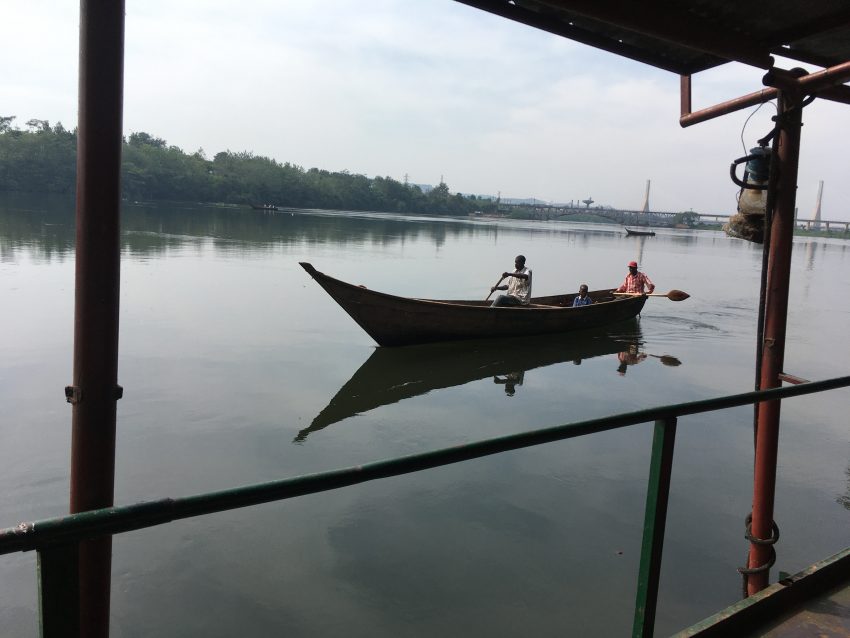
By the time we reached Kom Ombo, I had fallen into the rhythm of ship life on the Nile cruise. Mornings meant temples, afternoons meant drifting along the water with a cold drink, and evenings meant watching the sun melt into the horizon. Kom Ombo sits right on the riverbank, and the breeze moved through its open halls like a whisper. I loved the way the temple seemed to lean toward the water, as if it had been waiting centuries for visitors to arrive by boat.
Aswan felt different from Luxor. Softer, slower, more relaxed. The river widened into a calm expanse dotted with islands, and the granite hills behind the city glowed pink in the late afternoon light. I took a small boat to Philae Temple, which sits on its own island like a jewel. The carvings there felt more delicate, the atmosphere more serene. I lingered long after the tour ended, sitting on a stone ledge and watching the water ripple against the rocks.
A woman selling beaded bracelets approached me, but when I told her gently that I wasn’t buying, she simply nodded and moved on. Not every encounter was a hustle. Many were simply human.
One morning, I woke before dawn and watched the sunrise from my cabin. The sky shifted from lavender to gold, and the river glowed like polished metal. I thought about how many travelers before me had watched this same sunrise, from pharaohs to merchants to wanderers like me. The Nile is a living timeline, and sailing it feels like slipping into a story that has been told for thousands of years.
On my last night, I stood on the deck as the sun set behind the palm trees. The sky turned orange, then pink, then a deep violet. I thought about everything I had seen.
The grandeur of the temples, the warmth of the people, and the constant dance between ancient and modern life. I also thought about the small challenges, the bargaining, the touts, the moments when I had to be sharper than usual. But those moments didn’t overshadow the magic. They were simply part of the texture of traveling in Egypt, a reminder that beauty often comes wrapped in complexity.
Sailing the Nile changed the way I think about time. It stretched and softened, like the river itself. I left with sand in my shoes, sun on my skin, and a sense of wonder that stayed with me long after the plane lifted off from Aswan. If you ever find yourself dreaming of Egypt, let the river guide you. It will show you everything you came for and a few things you didn’t know you needed.
Everything you need to know: FAQs
- What is the best season for a Nile cruise in 2026?
The best months for cruising on the Nile River are December, January, and February. That is when the weather is most pleasant for sightseeing and traveling in Egypt. However, if you prefer a balance of budget and convenience, October and April are widely recommended.
Which is better, a 3-night or 4-night cruise?
Both usually cover all the major tourist spots, and the itinerary remains the same, more or less. However, the most preferred by most travelers is the 4-night cruise. Due to its slower sailing pace, you can spend more time watching the river and its surrounding life.
Is Abu Simbel on the Nile cruise itinerary?
Standard cruises cannot access Abu Simbel directly because it is situated about 3 hours south of Aswan. But worry not, once your ship docks in Aswan, you can reach Abu Simbel by traveling a short distance via road or air.
Is there a dress code aboard the cruise?
There is no particular dress code on board. You can wear casual, comfortable attire at your convenience. But for shore excursions, it is better to dress modestly to show respect to local customs.
Is the water safe to drink?
For health reasons, it is always advised to avoid drinking tap water directly. You will be provided with ample bottled water on board. When outside, it is smarter to carry your own water, though. Even when washing your face or brushing, do not use tap water unless necessary.
Can children go cruising on the Nile?
Of course. Most cruise ships offer family-friendly cabins, along with access to swimming pools. Just remember that outdoor excursions generally involve lots of walking, which might be tiresome for young ones. As for teenagers, most ships usually offer age-appropriate amenities and services they can enjoy.
Sarah Jones is a freelance writer from Princeton, NJ.


- How I Chose the Best Nile Cruise in Egypt - May 19, 2026
- TEFL: The Passport That Fits in Your Backpack - May 18, 2026
- Rail and Castle: A Guide to Europe’s Most Iconic Routes by Train - May 14, 2026