The Modern Nomad Lifestyle: Work, Travel, and Digital Leisure Trends

Modern Nomads: Life on the Move in a World Built for Remote Work
By Oscar Davis
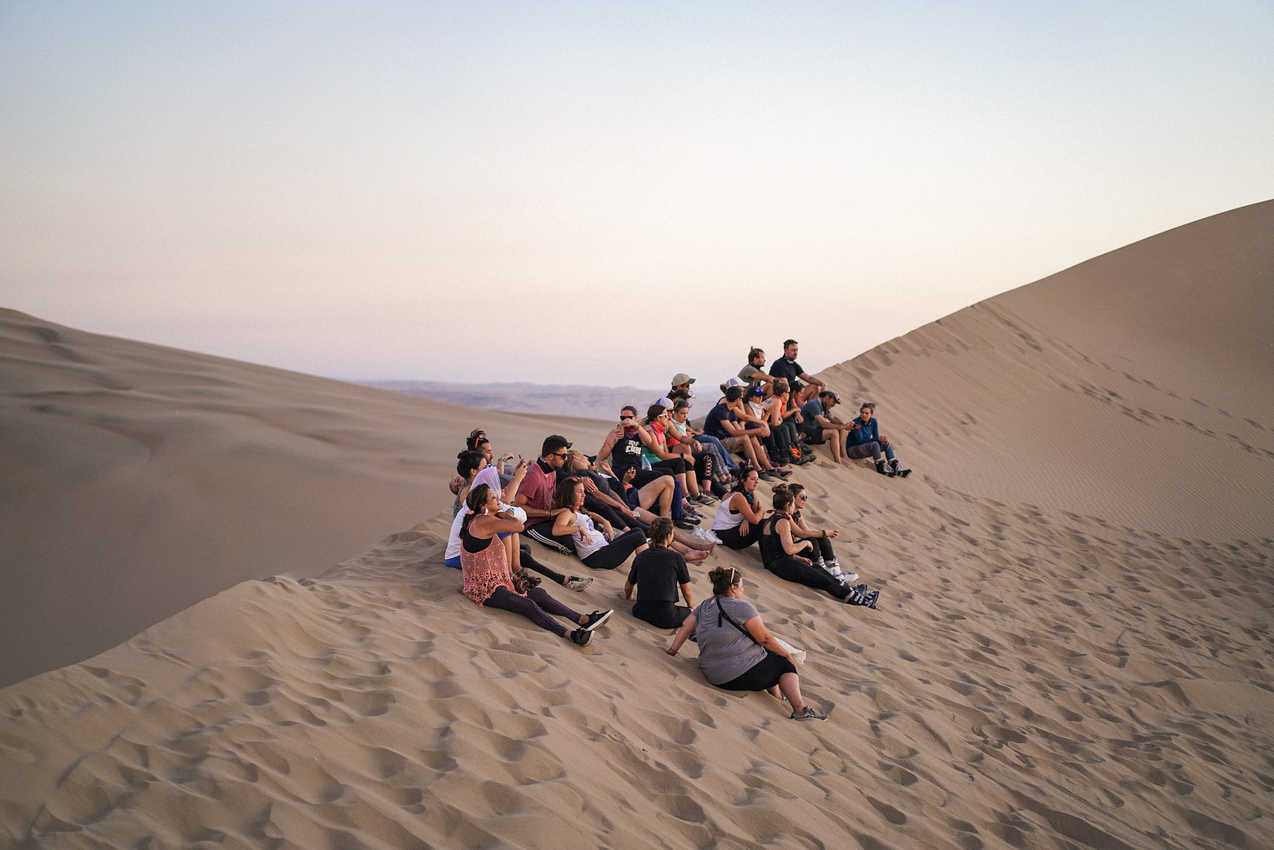
I have been watching the digital nomad world grow for years, and what once felt like a fringe experiment has turned into a full‑blown global movement. The numbers alone tell the story. Depending on who you ask, somewhere between forty and sixty million people now live and work while moving between countries. In the United States, the shift has been even more dramatic. Modern nomads are making their mark around the world.
More than eighteen million Americans are working this way today, compared to just over seven million in 2019. That is a one hundred forty-eight percent jump in a very short time, and you can feel that momentum everywhere from Lisbon cafés to Chiang Mai co‑working spaces.

What changed is not mysterious. The tools finally caught up with the dream. Mobile tech became powerful enough that you can run a business from a beach town in Mexico or a mountain village in Albania. Satellite internet reached places that used to be blank spots on the map. And after the pandemic, remote work stopped being a perk and became a normal part of professional life. The barriers that once made this lifestyle feel unrealistic for most people simply fell away.

I have met nomads who code from rooftop terraces in Medellín, designers who hop between European capitals, and writers who chase warm weather across continents. They are not all twenty‑something backpackers either. Many are mid‑career professionals who realized they could keep their jobs and still see the world. Some travel slowly, staying in one place for months. Others move like migratory birds, following seasons, surf breaks, or cheap apartments.
For digital nomads managing budgets across different currencies, exploring some online casino bonus trending sites can be part of understanding how digital incentives work in various markets.
What interests me most is how this community actually works. There is a rhythm to it. People choose destinations not only for scenery but for WiFi reliability, walkability, and the presence of other remote workers. They spend money differently, too, often favoring local cafés, co‑working hubs, and long‑term rentals over hotels and tour packages. And when they unwind, they do it the way residents do, not the way tourists do. They join pickup soccer games, take language classes, find favorite bakeries, and build temporary routines that feel surprisingly permanent.
The digital nomad lifestyle is no longer a fantasy of working from a hammock. It is a real, functioning ecosystem with its own culture, habits, and unwritten rules. And as more people discover that they can take their careers with them, the world keeps opening up in new ways.
The digital nomad lifestyle has moved decisively from niche curiosity to global mainstream. Between 40 million and 60 million people worldwide now live and work remotely while moving between countries, with the United States alone accounting for 18.1 million of that total, up 148 percent today from 7.3 million in 2019.
Widespread mobile technology, satellite internet expansion, and a post-pandemic normalization of remote work have removed the barriers that once made this lifestyle impractical for most professionals. What follows is a clear-eyed look at how this community works, where it travels, how it spends, and how it unwinds.

Who Digital Nomads Are in 2026
The demographic profile of the modern nomad has matured well beyond the solo twenty-something working from a beach café. The median age of American digital nomads sits at 37, and 49 percent of the global nomad population falls in the 30 to 39 age bracket, with 38 percent aged 40 and above.
Gen Z and Millennials together represent approximately 64 percent of all digital nomads, but 11 percent of US nomads are 55 or older, reflecting how the lifestyle has spread across generations. More than half, at 54 percent, are married or living with a partner, and an estimated 1.5 million nomadic families now travel full-time. The average annual income sits at approximately $124,041, with a median of $85,000, and roughly 90 percent hold a bachelor’s degree or higher.
The Technology Infrastructure Making It Possible
The expansion of global internet infrastructure is the foundational enabler of the entire nomad economy. The continued rollout of Starlink and similar satellite internet services has unlocked territories that were previously impractical, including remote islands, mountain regions, and
deserts that are now reliably online.
Over 66 countries offered dedicated digital nomad visa programs in 2025, with 91 percent of those programs launched after 2020, reflecting how rapidly governments responded to the post-pandemic shift.
Spain’s Ambroz Valley went further, offering financial incentives of approximately $16,620 to remote workers who relocate there for at least two years. AI assistants are also increasingly built into the nomad workflow, helping navigate language barriers, local regulations, and travel
logistics in real time.
Where Nomads Work and How They Structure Their Days

The dominant work location among digital nomads is private accommodation, with 59 percent preferring to work from home, an Airbnb, or a rental. Coworking spaces attract 15 percent of the community, valued primarily for networking rather than infrastructure, while 8 percent
work from local cafés.
The shift toward slow travel has changed the daily rhythm significantly, with many nomads averaging two months in a single city before moving on. This longer-stay model improves work stability, reduces the logistical overhead of constant relocation, and allows for deeper integration into local professional networks. The most popular work-compatible destinations in 2026 include Thailand, Portugal, Mexico, Spain, Indonesia, and Georgia.
Managing Budgets Across Currencies and Digital Markets
Budget management is one of the most consistent practical challenges nomads face, given that income is often earned in one currency while expenses are paid in another. The cost of living gap between destinations is high: nomads in Lisbon or Bangkok operate at a fraction of what
the same lifestyle costs in New York or London, which is part of the appeal.
Visa Frameworks and Legal Considerations
The global competition for nomad talent has produced a diverse range of visa structures. Portugal’s D8 Digital Nomad Visa offers renewable five-year stays with access to the Schengen zone and relatively low-income thresholds.
Mexico’s Temporary Resident Visa for remote workers is valid for up to four years with modest income requirements of approximately $1,742 per month. Indonesia’s second-home visa gained significant traction in 2025 due to its five-year duration. Brazil, South Korea, and Italy all
introduced or updated digital nomad visa schemes in 2025, and Germany simplified its application process.
Working legally matters: 58 out of 64 nomad visa programs globally were created after 2020, and governments are increasingly integrating these programs with tax and labor frameworks rather than treating them as simple tourism substitutes.
Digital Leisure and the Role of Online Platforms
Evening and weekend entertainment for nomads overwhelmingly takes place through digital platforms rather than physical venues, particularly in destinations where language barriers or unfamiliar local nightlife reduce the appeal of going out. A survey of 5,256 digital nomads found
Telegram and WhatsApp are the most widely used communication tools, while streaming, gaming, and online entertainment platforms fill leisure time across time zones.
 The Social Challenge: Isolation and Community Building
Despite the freedom the nomadic lifestyle offers, loneliness remains one of its most documented costs. Forty-five percent of digital nomads report feeling lonely or isolated, and 24 percent experience frequent loneliness tied directly to the pattern of constant relocation.
The community response to this has been structural: co-living and co-working hybrids now function as purpose-built social ecosystems, coliving spaces host regular events and networking nights, and community-led nomad villages are emerging in eco-regions across Southeast Asia
and Southern Europe.

Oscar Davis is a freelance writer from Leeds, UK.


Since 2000, he has reported from dozens of countries across Europe, Asia and the Americas, focusing on the kind of immersive, first‑hand travel that reveals how people really live. Max’s work blends on‑the‑ground reporting with practical, traveler‑tested advice. He has interviewed chefs, bus drivers, innkeepers, and everyday locals and explored destinations ranging from small New England towns to remote corners of Greenland and South America. His writing has appeared in regional newspapers, national outlets, and across the GoNOMAD network.
In addition to his editorial work, Max hosts the GoNOMAD Travel Podcast. He is also a columnist for the Greenfield Recorder, where he writes about travel, community, and life in Western Massachusetts.
Max lives in South Deerfield, Massachusetts and still travels frequently. Visit his blog at MaxHartshorne.com
- The Modern Nomad Lifestyle: Work, Travel, and Digital Leisure Trends - April 28, 2026
- Vienna Beyond the Palaces: Where Locals Go to Eat, Stroll, and Unwind - April 28, 2026
- Nuquí, Chocó: Colombia’s Wild Pacific Coast - December 26, 2025