Nuquí, Chocó: Colombia’s Wild Pacific Coast

By Max Hartshorne
GoNOMAD Editor
After a week at an eco‑resort farther up Colombia’s Pacific coast, in the tiny community of El Valle, it was time to travel 40 kilometers south to our next destination: a remote eco‑lodge perched on a rocky stretch of shoreline near the village of Nuquí.

In 2008, this part of Chocó felt like the edge of the world — a place where the rainforest pressed right up to the sea, where roads simply didn’t exist, and where the only way in or out was by boat or by small plane. Most travelers sensibly flew into Nuquí, a dirt‑road town of about 15,000 residents. But we made the unfortunate choice of going by small boat.
A Hard Crossing
The morning greeted us with leaden skies and drenching rain. We rose at 5:15 a.m. for a 6:30 departure, pulling rubberized ponchos over our heads as the downpour intensified. The walk to the boat ramp was a soggy trudge, and we stowed our gear in the foc’sle, hoping the wooden hatch would keep the worst of the rain off our cameras.
We sat on hard plank seats as the boatmen pushed us off into the gray Pacific. Visibility was poor, the rain relentless. A visiting Spaniard, apparently immune to discomfort, sat hatless and unbothered as the rain pelted his bald head. The rest of us hunched under ponchos, bracing ourselves as the waves grew higher.
Each swell lifted the bow sharply before slamming us down again. Water pooled around our feet. Floating logs — some the size of telephone poles — drifted past, adding a new layer of anxiety. Still, the boatmen pressed on, unfazed, guiding us through the angry sea for nearly three hours.
When we finally reached the sanctuary of the eco‑lodge, we staggered onto the shore like shipwreck survivors. Memo and Nana, the lodge’s owners, greeted us with hot Colombian coffee and dry towels. We collapsed under the ramada, grateful to be on solid ground. The amazing thing was that our boatmen — and the stoic Spaniard — had to turn around and make the same trip back four hours later.
Later, I asked Memo how many guests arrived by boat. He laughed. “Only the tourist board does that.”

Life at the Lodge
The lodge consisted of seven simple cabanas, each with a small veranda and a hammock overlooking the surf. The beds were draped with mosquito netting, and the soundtrack was the constant crash of waves against the rocks. Memo and Nana had dreamed of building this place for years, beginning construction at a time when almost no one traveled to this remote stretch of coast. At night, we would all gather in the main lodge, where a few outlets allowed us to charge our phones and laptops from their small hydroelectric power grid
Logistics were — and still are — a challenge. There were no direct flights from Medellín’s main international airport, so travelers had to drive an hour downhill to the smaller Olaya Herrera Airport to catch the 29‑seat planes that hop along the Pacific coast. Weather delays were common. Supplies arrived by boat. Everything required patience.
But Memo and Nana were committed to the region. They organized donation drives among friends in Medellín to buy school supplies for local children. More importantly, they tried to encourage small‑scale entrepreneurship — a difficult task in a place where most commerce was barter, not cash. “Nobody wants to be chief here,” Memo told me. “People aren’t used to taking risks or working toward owning something.”
Still, there were success stories. One former employee bought an old boat motor from Memo, saved up for a boat, then another, and eventually built a small water‑taxi business — essential in a region with no roads.
The Río Joví Expedition
One of the highlights of our stay was a dugout canoe trip up the Río Joví, a serene waterway framed by dense jungle. Two men stood at the back of the canoe, propelling us forward with long poles. Bird calls echoed through the canopy. After an hour, we reached a narrow stream and hiked to a waterfall with a deep pool perfect for diving.
It was a magical place — remote, quiet, and untouched. Memo told us that German guests loved the steepest hikes, the ones that left everyone else gasping. “They’re happiest when it’s straight uphill,” he said with a grin.
Colombia’s Pacific coast has always struggled with its image, overshadowed by decades of conflict and misconceptions. But the reality, even then, was a region of extraordinary beauty and warm, welcoming people. As the tourism board once liked to say, “The only risk is wanting to stay.”
 What’s Changed on the Pacific Coast Since 2008
A lot has shifted in the years since that rain‑soaked boat ride. Chocó remains one of Colombia’s most isolated departments, but tourism has grown steadily — and more thoughtfully — as travelers seek out wild, uncrowded destinations. Recent travel guides describe Nuquí as a place where “lush rainforests meet pristine beaches” and where whale‑watching, surfing, and nature tourism now anchor the visitor experience. I remember the wide, black sand beaches, devoid of the usual commercial trappings of seaside places, instead, just the dark forest meeting the Pacific.
Flights to Nuquí and Bahía Solano are now more frequent, with improved aircraft and better coordination between regional carriers. Weather still disrupts schedules, but the system is far more dependable than it was in 2008.
A New Generation of Eco‑Lodges
The lodge where we stayed in 2008— El Cantil — was once the pioneering eco‑resort on this stretch of coast. Today, it is permanently closed, its era having come to a quiet end. But its spirit lives on in a new wave of sustainable lodges that have taken root along the beaches south of Nuquí.
One of the most notable is La Kuka, a beautifully designed eco‑lodge on Guachalito Beach. It has become a favorite among travelers seeking the same blend of remoteness, comfort, and nature immersion that El Cantil once offered. Modern travel guides highlight Nuquí’s ecolodges as gateways to whale‑watching, beach hikes, and rainforest exploration.
La Kuka follows many of the principles Memo and Nana championed: low‑impact construction, local hiring, and a deep respect for the surrounding rainforest and Afro‑Colombian communities.It costs about $450 a night will full board, three meals, at La Kuka, so it’s on the high end of vacation dreams.
Whale‑Watching Is a Major Draw
From July to October, humpback whales migrate to the warm Pacific waters to give birth. In 2008, whale‑watching was a niche activity. Today, it’s one of Colombia’s most celebrated wildlife experiences, with dedicated 4‑day whale‑watching packages now common.

Community Leadership Has Strengthened
Afro‑Colombian and Indigenous communities now run many of the region’s tours, including Río Joví canoe trips, mangrove walks, surf lessons in Termales and guided hikes in Utría National Park.
Travel organizations emphasize that Chocó’s tourism boom is rooted in community‑run experiences and local stewardship of natural resources.
Safety Perceptions Have Improved
While Chocó still faces challenges, the region is now far more accessible and better understood by travelers. Domestic tourism from Medellín and Bogotá has surged, bringing new energy and investment.
Chocó remains one of the rainiest places on Earth, and climate change has amplified that reality. Heavier rainfall and coastal erosion have forced some lodges to reinforce structures or relocate walkways. Conservation groups are working to protect mangroves, which buffer storms and support fisheries.
Utría National Park has become a focal point for marine conservation, with expanded monitoring of sea turtles, whales, and coral ecosystems. Visitors today are more aware of their impact, and many lodges now include conservation fees in their rates.
Nuquí Still Feels Wild, Why?
Despite the changes, Nuquí remains one of the most remote and magical corners of Colombia. The nearest anything is a major boatride away. You can sense that people just make do, which is refreshing. The rainforest still tumbles down to the sea. The beaches are long, empty, and backed by towering palms. The air is thick with humidity and birdsong. And the sense of being somewhere truly off the map — is as strong as ever.
Websites for Colombia’s Coast
Nuqui and La Kuka lodge https://lakukahotel.com/en/
El Almejal Eco Resort https://almejal.com.co/
Colombia Tourism https://colombia.travel/en/where-to-go
Photos by Max Hartshorne
https://photos.app.goo.gl/P9BQ3Q7HrjfpZDqr5

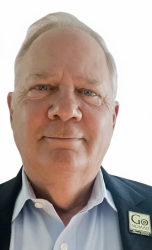
Since 2000, he has reported from dozens of countries across Europe, Asia and the Americas, focusing on the kind of immersive, first‑hand travel that reveals how people really live. Max’s work blends on‑the‑ground reporting with practical, traveler‑tested advice. He has interviewed chefs, bus drivers, innkeepers, and everyday locals and explored destinations ranging from small New England towns to remote corners of Greenland and South America. His writing has appeared in regional newspapers, national outlets, and across the GoNOMAD network.
In addition to his editorial work, Max hosts the GoNOMAD Travel Podcast. He is also a columnist for the Greenfield Recorder, where he writes about travel, community, and life in Western Massachusetts.
Max lives in South Deerfield, Massachusetts and still travels frequently. Visit his blog at MaxHartshorne.com
- Hainan Island: China’s Tropical Escape - May 9, 2026
- Vienna Beyond the Palaces: Where Locals Go - April 28, 2026
- Nuquí, Chocó: Colombia’s Wild Pacific Coast - December 26, 2025