Lleida, Barcelona, And The Raimat Arts Festival In Spain
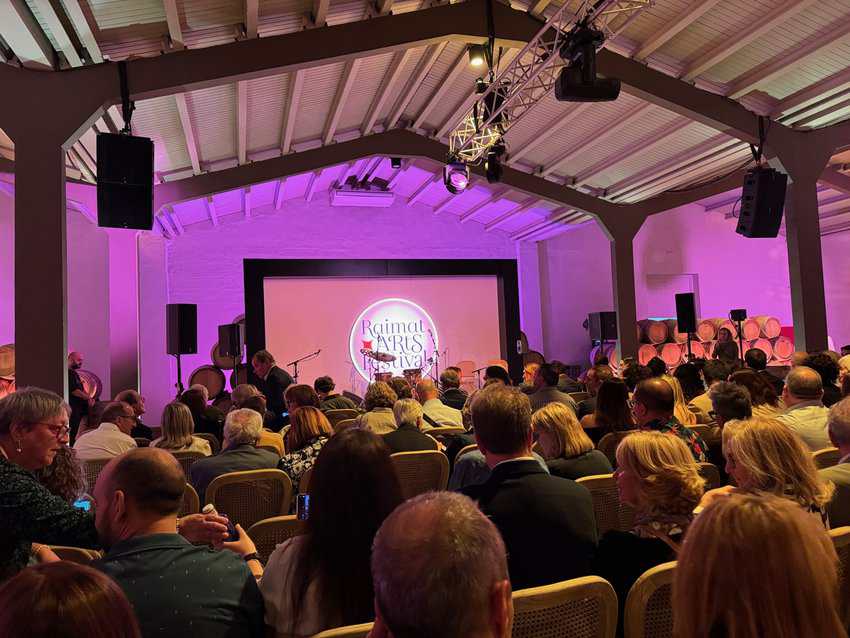
A Festival of Great Music in two Places, Lleida and Raimat, Spain
By Max Hartshorne
GoNOMAD Editor
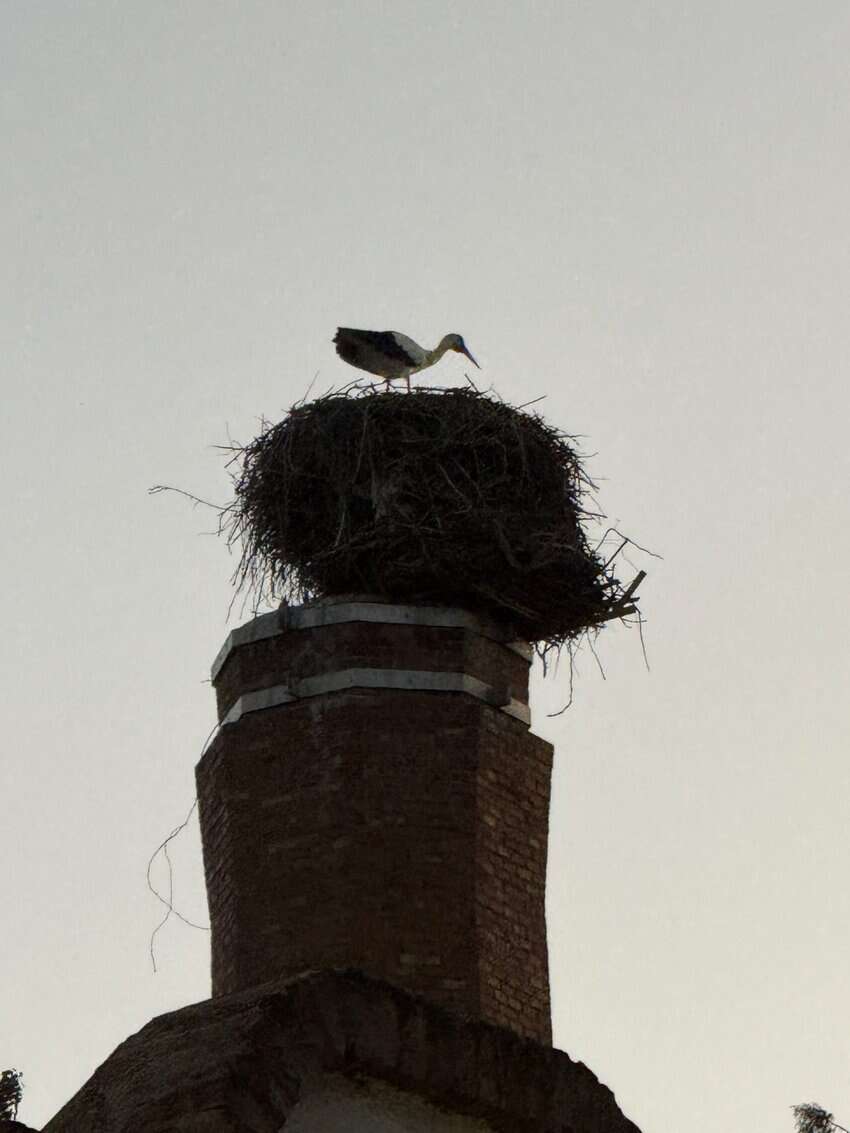
A month ago, I took a trip to a city I’d never heard of, and saw some things I had never even imagined. It started on the way to Lleida, a town about 80 miles east of Barcelona, where we made a stop at an industrial area, with cement pieces used for tunnels lined up, bordered by giant stacker conveyors towering over a nondescript but large tan building.
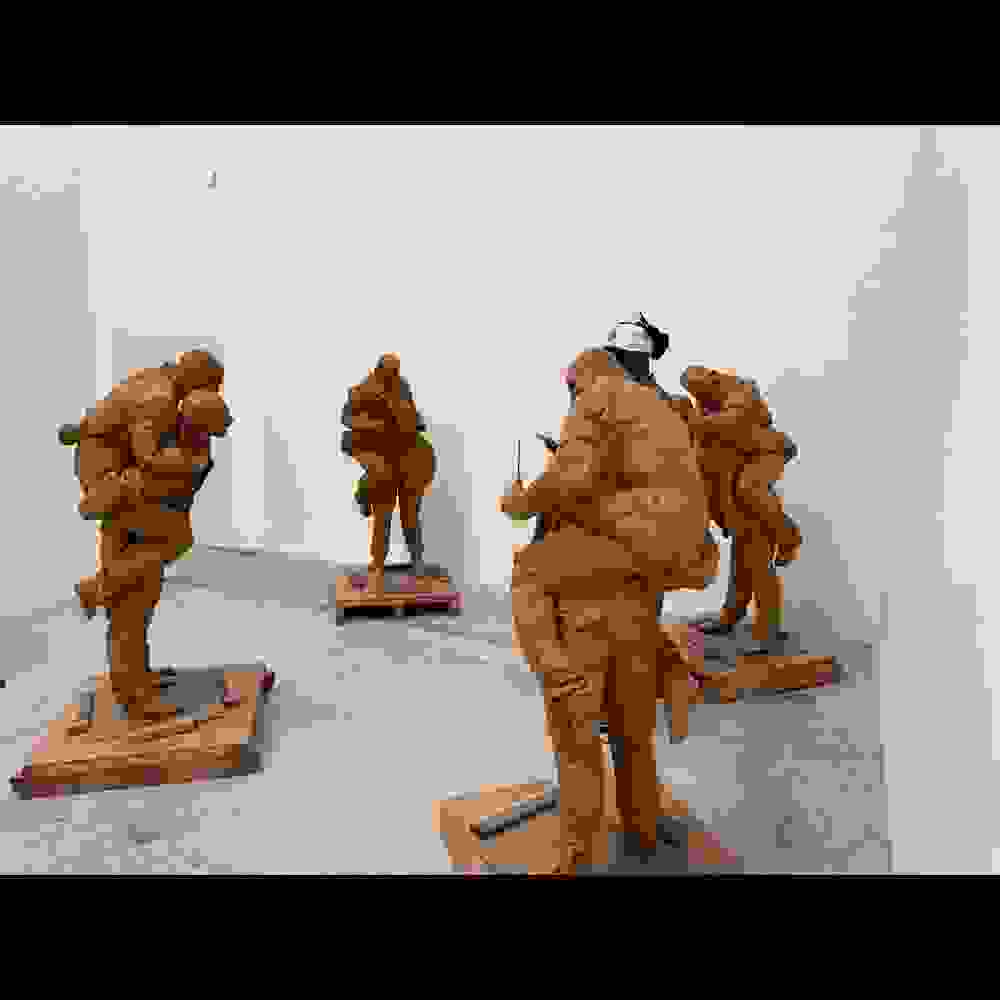
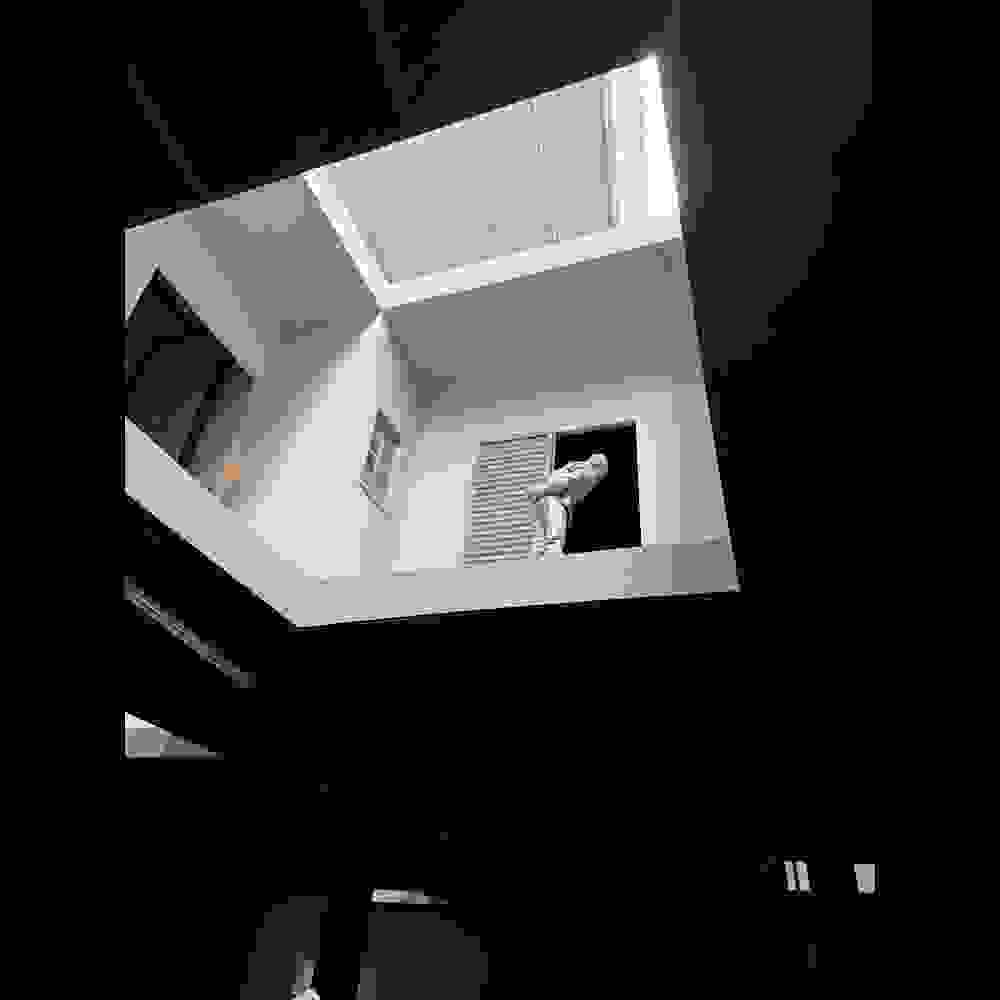
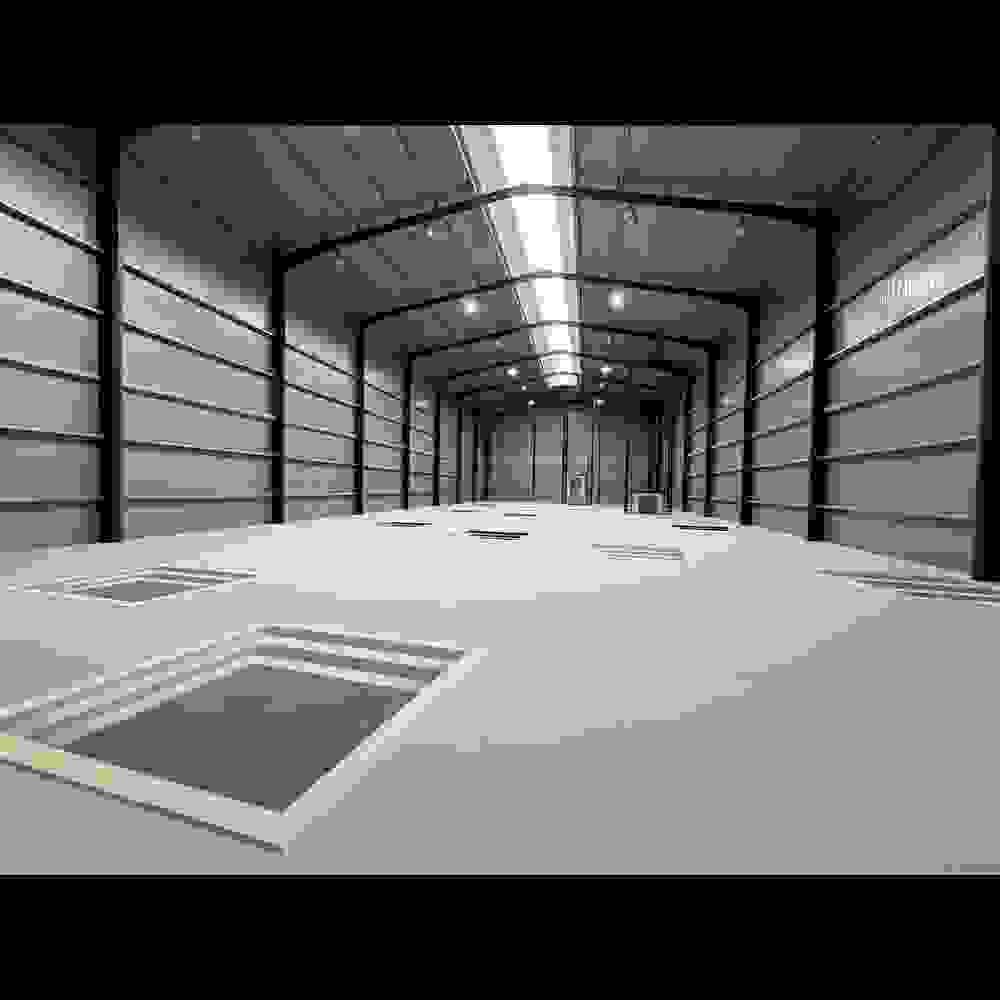
After our welcome with Catalonia cheese, wine, and cake in an office, we set off and entered a long, wide hall. There were two huge art exhibits in these halls, one with a series of fake little openings that then led to real openings that looked the same. The art exhibits are called Fundació Sorigué.
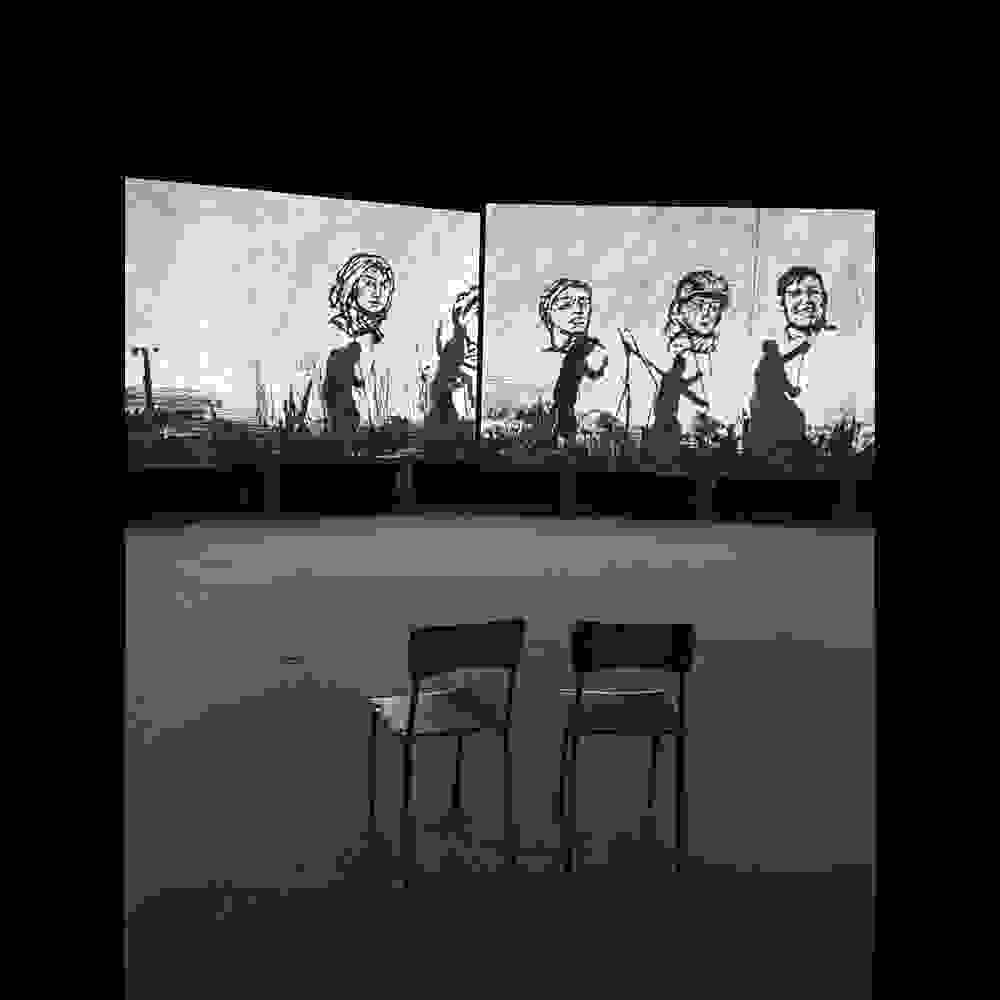
In a second building, another exhibit showed a grainy film playing in a giant loop as the people jumped from screen to screen. It felt like I was in the famed MASS MOCA, the gigantic avant-garde art gallery located in North Adams, MA. This site explains the art and how it became a part of a cement factory in Catalonia.
The Castle’s Owner
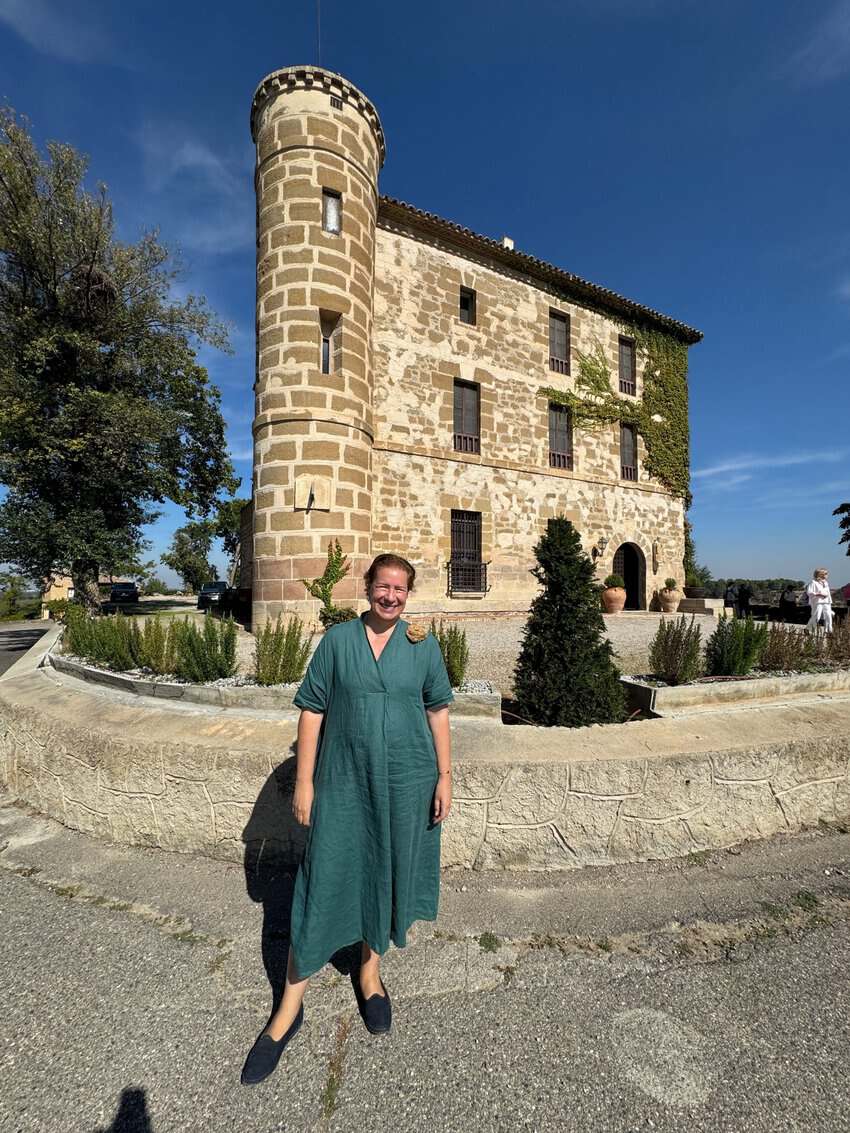
Raimat is best known for its Castell de Raimat, a fortress that has stood watch over thousands of hectares of vineyards for centuries. The castle is still owned by the Carandini family, whose stewardship has transformed what was once barren land into one of Spain’s most innovative wine regions.
We met the matriarch, Elena de Carandini, who posed in front of the castle where she lives. She’s the fourteenth generation of Carandinis; today, they have wineries in Napa and in Argentina, as well as this 8400-acre estate in Spain.
Raimat’s Wine Pedigree
|
|
 |
 |
 |
Today, Raimat produces wines under the Costers del Segre designation, and the vineyards themselves form the backdrop for one of Catalonia’s most distinctive cultural events: the Raimat Arts Festival.
Born in 2022 and twinned with California’s Festival Napa Valley, the Raimat Arts Festival is held every October. It’s not just a music festival—it’s a legitimate eco fest. Like so many other places I found in Spain, being green is very big over here, with compostable silverware, everything recycled and a concerted effort to stay green.
Raimat: A Castle, Vineyards, and a Festival of Music
Billed as the world’s first “Water Positive” festival, it gives back twice the amount of water it consumes, a nod to sustainability that feels especially poignant in a region shaped by irrigation and agricultural ingenuity.
Over four days, internationally renowned musicians and emerging talents perform in the castle courtyard, blending classical music with contemporary collaborations.
There were a lot of things to love about the golden light of Lleida’s vineyards, the hum of anticipation, and the resonance of violins echoing against stone walls. It’s a reminder that culture thrives not only in big cities but also in places where tradition and innovation meet.
One of the performers played a series of bowls, drumming with spoons inside a vineyard; it was captivating.
The art was serious, but the festival’s founders are mostly interested in bringing in cutting-edge musicians and interesting music you probably never heard before. The big concert was a bill that featured a famous flamenco singer, Alba Carmona, with a guitar, percussion, and bass.
Lleida: A City of Towers and Hidden Places
Just a short drive from Raimat lies Lleida, a city often overlooked by travelers rushing between Barcelona and Madrid. Yet Lleida rewards those who pause. Its skyline is dominated by La Seu Vella, the Old Cathedral, perched on a hilltop like a sentinel.
Built in the 13th century, the cathedral is a masterpiece of Romanesque and Gothic architecture, and climbing its bell tower offers sweeping views of the Segre River valley.
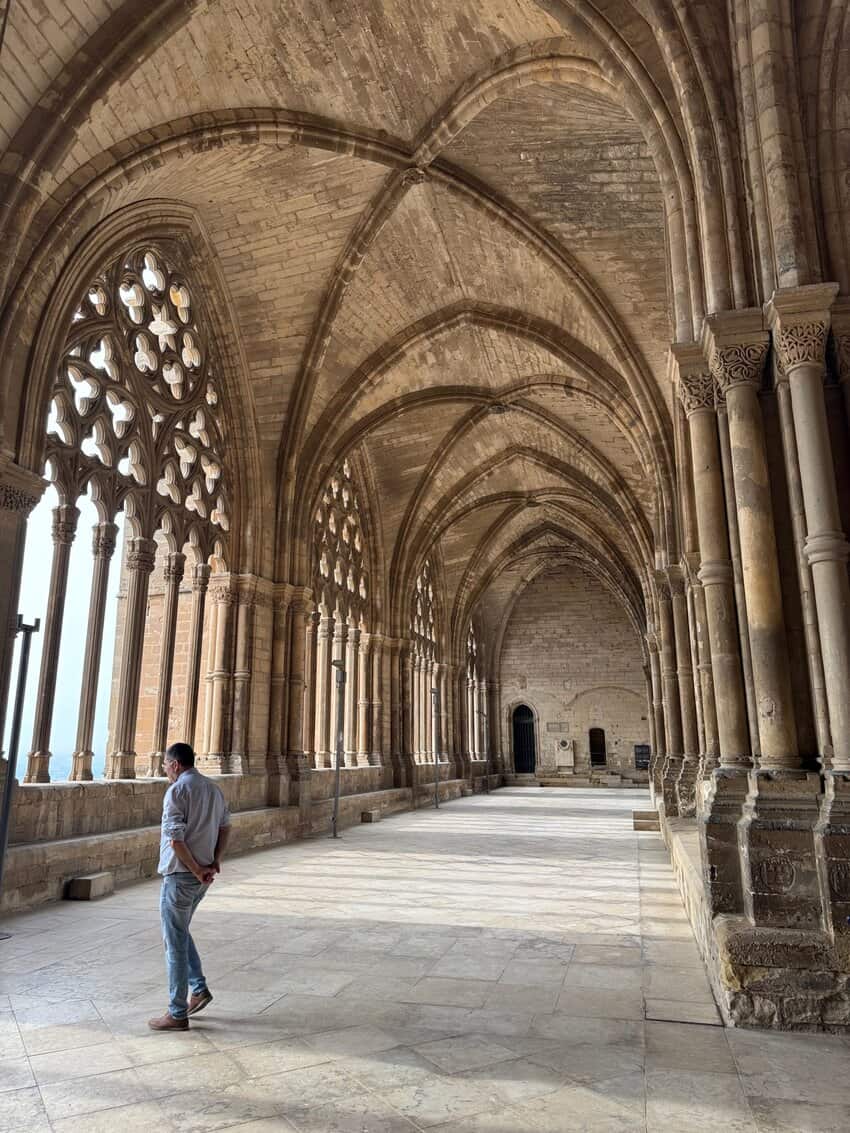
What makes Lleida compelling is its balance: ancient stones alongside vibrant street art, quiet plazas next to bustling cafés. It’s a city that invites exploration without overwhelming, a perfect counterpoint to the grandeur of Barcelona.
Barcelona: Music and Football, Two Catalan Passions
No journey through Catalonia is complete without Barcelona, and for this trip, two sites capture the city’s soul: the Palau de la Música Catalana and the FC Barcelona Stadium Museum. I was surprised because over the years I have been watching YouTube videos featuring pickpockets from Barcelona, so I was a bit on guard. After a few days I realized that this city is not at all scary, and though crime happens it’s not front and center.
Palau de la Música Catalana
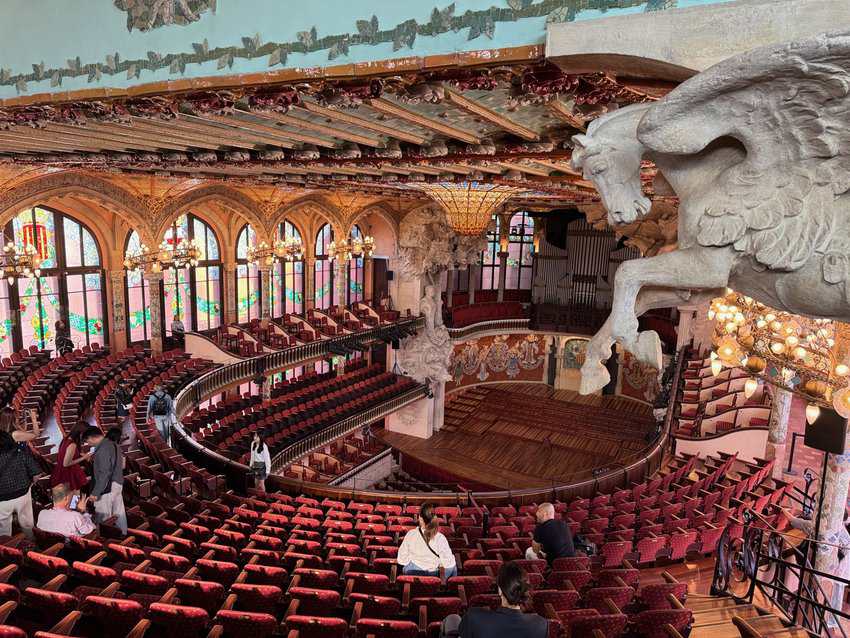
The Palau de la Música Catalana, often called the Palace of Music, is rich example of Catalan modernism. Designed by architect Lluís Domènech i Montaner and inaugurated in 1908, it’s a UNESCO World Heritage Site and one of the most beautiful concert halls in the world.
Step inside and you’re enveloped by stained glass, mosaics, and sculptural flourishes that seem to turn music into architecture. The skylight alone—a cascade of colored glass—changes the hall with the infusion of natural light. The architect loved flowers so this motif is repeated all over the hall, with daisys, irises and violets all over the walls and ceilings.
The Palau isn’t just a building; it’s still an active concert hall today. Founded by the choir association Orfeó Català, it continues to host performances ranging from classical symphonies to flamenco fusions. Sitting in its hall, you sense the pride of a culture that has always expressed itself through art and song.
FC Barcelona Stadium Museum
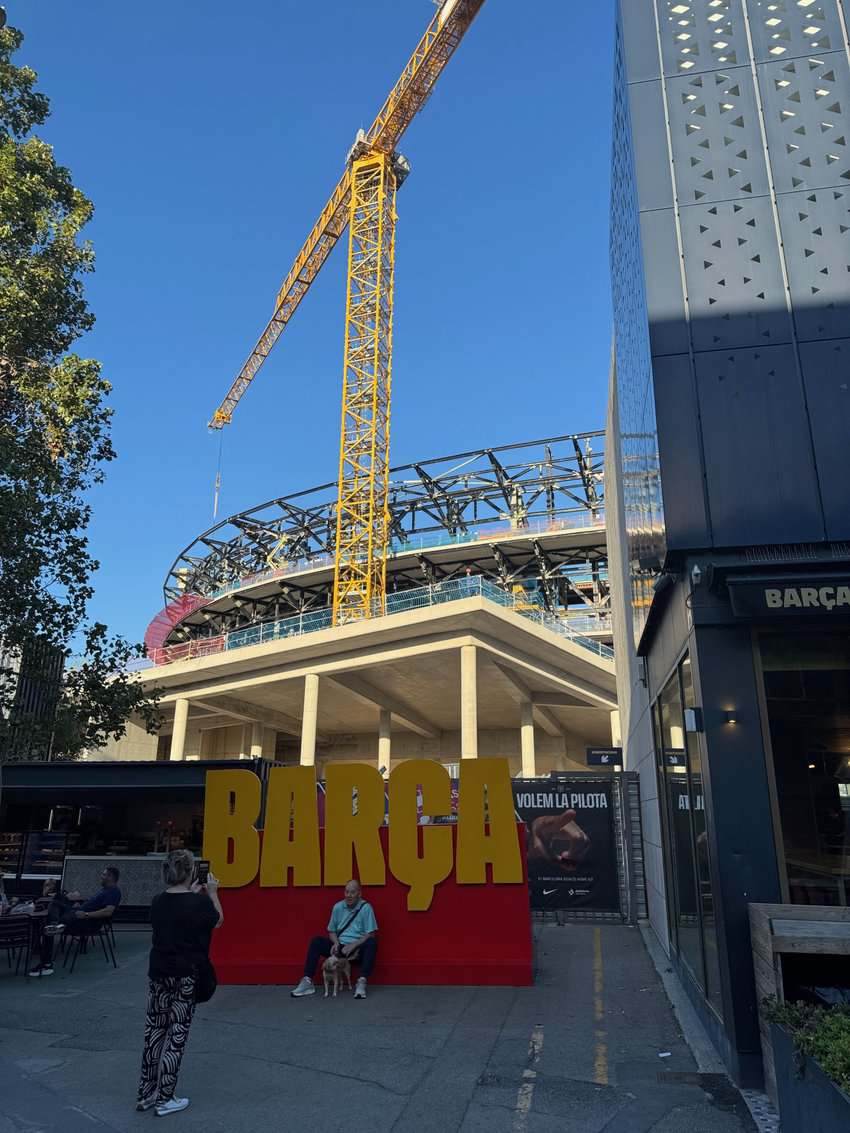
In Barcelona, football is not just a sport—it’s identity, history, and passion rolled into one. The FC Barcelona Museum, traditionally housed at Camp Nou, is the most visited in the city, drawing more than a million fans annually.
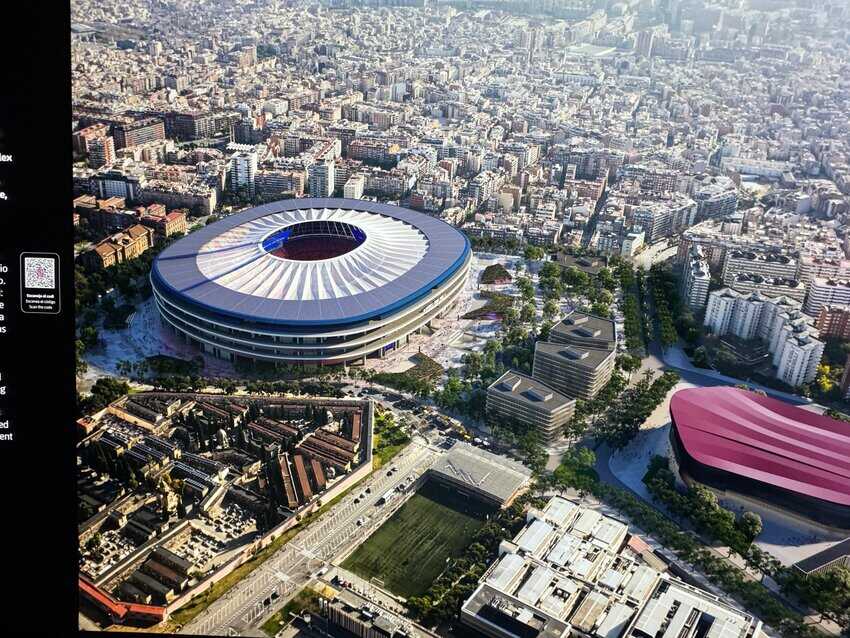
While the stadium undergoes renovation as part of the Espai Barça project, the museum has temporarily moved to the Palau de Gel, offering state-of-the-art interactive exhibits.
Inside, you’ll find the club’s glittering trophy room—five Champions League titles, countless domestic honors—and multimedia installations that trace Barça’s journey from its founding in 1899 to its global stature today.
Messi Legacy
There’s even a section dedicated to Lionel Messi, whose legacy is etched into the club. I was interested to see exhibits from the 1930s during the Franco era where the dictator tried to change the football club and was rebuffed.
But beyond the trophies, the museum tells a deeper story: Barça as “Més que un club”—more than a club. It’s about Catalan pride, resilience, and the idea that football can be a vessel for cultural identity.
A Journey of Contrasts
What ties Raimat, Lleida, and Barcelona together is contrast. In Raimat, you find music echoing through vineyards, a festival that marries sustainability with artistry. In Lleida, history and modern life coexist in a city that feels both ancient and alive.
And in Barcelona, music and football embody the passions of a people who express themselves through culture and sport.


Since 2000, he has reported from dozens of countries across Europe, Asia and the Americas, focusing on the kind of immersive, first‑hand travel that reveals how people really live. Max’s work blends on‑the‑ground reporting with practical, traveler‑tested advice. He has interviewed chefs, bus drivers, innkeepers, and everyday locals and explored destinations ranging from small New England towns to remote corners of Greenland and South America. His writing has appeared in regional newspapers, national outlets, and across the GoNOMAD network.
In addition to his editorial work, Max hosts the GoNOMAD Travel Podcast. He is also a columnist for the Greenfield Recorder, where he writes about travel, community, and life in Western Massachusetts.
Max lives in South Deerfield, Massachusetts and still travels frequently. Visit his blog at MaxHartshorne.com
- Hainan Island: China’s Tropical Escape - May 9, 2026
- Vienna Beyond the Palaces: Where Locals Go - April 28, 2026
- Nuquí, Chocó: Colombia’s Wild Pacific Coast - December 26, 2025