Explore Israel: From Desert Silence to Mediterranean Vibrance

By Owen Chase
Israel is a country that rewards curiosity. For a place “roughly the size of New Jersey,” it manages to feel vast, layered, and endlessly surprising. Travelers often remark on how quickly the scenery shifts. As the original text puts it, “In a single day, you can float in the mineral-rich waters of the Dead Sea, walk through ancient stone streets in Jerusalem, and watch the sunset over the Mediterranean in Tel Aviv.” That sense of compressed wonder is what makes Israel so compelling.
It is a land where ancient stories still cling to the stones, where modern life hums beside sacred traditions, and where every region feels like a different chapter in a much larger narrative. For a travel writer, it is the kind of place that keeps you scribbling notes long after the sun goes down.
The Negev Desert: A Landscape of Silence and Space
The southern half of Israel is dominated by the Negev Desert, a vast expanse that surprises many first-time visitors. People often arrive expecting a country that is entirely urban or biblically green, only to discover a wilderness shaped by wind, time, and geological drama. The Negev is defined by its makhteshim, the crater-like formations carved not by meteors but by erosion. The largest of these, the Ramon Crater, is a natural amphitheater of stone and shadow that draws hikers, geologists, and photographers from around the world.
Sunrise and sunset transform the cliffs into glowing walls of red and gold. The desert has a way of slowing the mind. Small communities and eco-lodges offer stargazing, quiet walks, and a chance to disconnect from the noise of daily life. The skies here are among the clearest in the Middle East, and the silence is so complete that it becomes its own kind of soundtrack.
The Negev is also a center of innovation. Israel has turned large parts of this desert into hubs for solar energy, sustainable agriculture, and scientific research. The region is home to the world’s largest population of Nubian ibex, which wander freely along the cliffs. David Ben-Gurion believed the future of Israel would be built in the desert, and today his vision feels remarkably prescient.
The Dead Sea: A Natural Wonder at the Lowest Point on Earth
Travel east and the land drops sharply until it reaches the Dead Sea, more than 400 meters below sea level. The water is so salty that floating becomes effortless. Visitors often coat themselves in the mineral-rich mud, which has long been prized for its therapeutic qualities. The surrounding landscape is stark and beautiful, with pale salt formations and desert mountains rising in the distance.
Nearby stands Masada, the ancient fortress that overlooks the shoreline. The text describes it as offering “both a challenging hike and a powerful glimpse into ancient history.” Many travelers climb before dawn to watch the sun rise over the Moab Mountains. The view is unforgettable, a blend of history, desert light, and quiet that settles into memory.
The Dead Sea is one of the most unusual bodies of water on the planet. Its salinity is nearly ten times that of the ocean, and its surface continues to recede each year. Cleopatra once sought exclusive rights to its minerals, and modern scientists still study its unique chemistry.
Jerusalem: A City of Layers and Living History

Few cities carry the weight of Jerusalem. Walking through the Old City feels like stepping into a living tapestry of faith and history. The narrow alleys wind through the Jewish, Christian, Muslim, and Armenian quarters, each with its own rhythm and landmarks. The Western Wall, the Church of the Holy Sepulchre, and the Dome of the Rock sit within a short walk of one another, yet represent centuries of devotion.
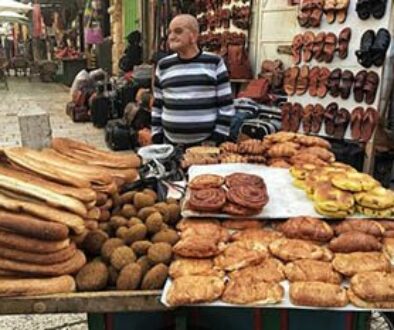
Jerusalem is not only a place for pilgrims. It is also a modern city with vibrant neighborhoods, lively markets, and cultural institutions. Mahane Yehuda Market is a sensory feast of spices, pastries, coffee, and conversation. Outside the Old City walls, museums and galleries showcase a city that continues to evolve while honoring its ancient roots.
Archaeologists estimate that only a fraction of Jerusalem’s layers have been uncovered. Every excavation reveals new pieces of a story that stretches back thousands of years.
Galilee: Green Hills and Quiet Waters
Northern Israel feels like a different world. The Galilee is lush and rolling, dotted with vineyards, orchards, and small villages. At its heart lies the Sea of Galilee, a freshwater lake surrounded by towns and historical sites. Many travelers come to explore places connected to the life of Jesus, such as Capernaum, Tabgha, and the Mount of Beatitudes.
Even without a religious focus, the region offers a peaceful escape. Walking trails wind through forests and hills, and boat rides on the lake provide a quiet way to take in the scenery. The food here is exceptional, with fresh fish, olive oil, cheeses, and wines produced by local farms and kibbutzim.
The Sea of Galilee is the lowest freshwater lake on Earth, a fact that surprises many visitors.

Tel Aviv: Modern Energy on the Mediterranean
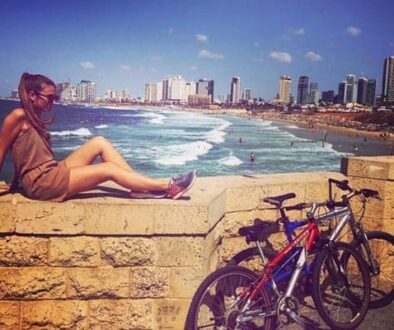
If Jerusalem is contemplative, Tel Aviv is kinetic. The city stretches along the Mediterranean with wide beaches, lively boulevards, and a creative spirit that seems to spill into every café and gallery. Its collection of Bauhaus buildings has earned it recognition as a UNESCO World Heritage Site. The startup scene is one of the most dynamic in the world, and the nightlife is famously energetic.
Tel Aviv is also one of the world’s most welcoming cities for LGBTQ+ travelers and a global center for vegan cuisine. It is a place where the future feels close at hand, even as the sea breeze keeps everything relaxed.
A Tapestry of Cultures

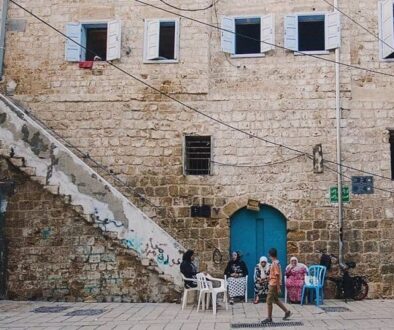
One of Israel’s greatest strengths is its diversity. Jewish communities from around the world, Arab Israelis, Druze villages, and Christian communities all contribute to a rich cultural mosaic. This variety is reflected in the food, languages, music, and traditions that shape daily life. A traveler might enjoy Middle Eastern street food in a bustling market, visit a quiet monastery, and share coffee in a small village, all in the same day.
Israel’s compact size makes it easy to experience multiple landscapes and cultures in a short period. “Distances are short, yet the changes in landscape and atmosphere can feel dramatic.” A journey might begin in the desert, continue through ancient cities, and end on a modern beachfront. This variety allows travelers to tailor their experience to their interests, whether they are drawn to nature, history, spirituality, or culture.
Resources like this guide to the must-visit Christian sites in Israel can help provide context and direction when planning which places to include when you visit Israel.
Owen Chase is a freelance writer from Brussels, Belgium.


- Living Free as a Digital Nomad in Thailand - May 21, 2026
- The Quiet Travel Moments We Remember Most - May 21, 2026
- Portland Maine for Tasty Lobster and City Flair - May 20, 2026