GPS Trackers For Luggage: My Bag Disappearing Made Me Write This
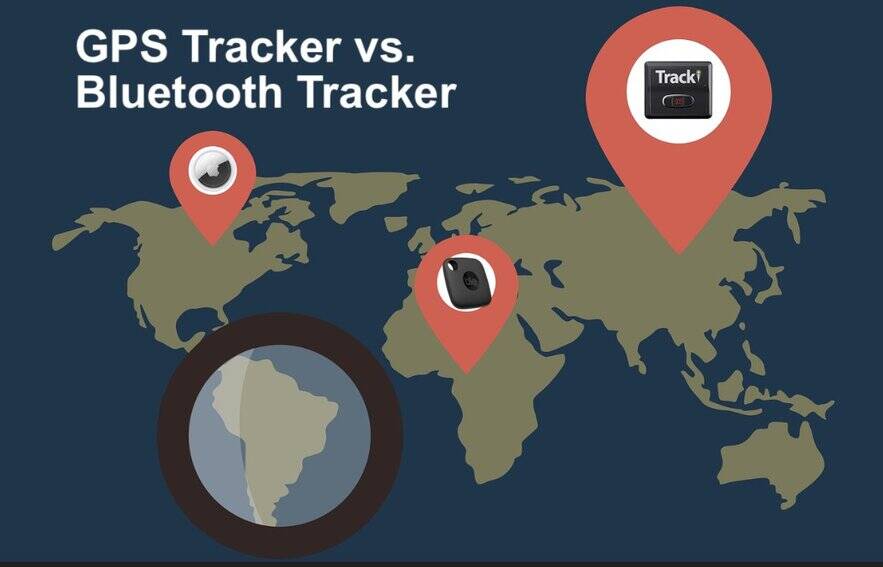
Why You Need a GPS Tracker in 2025, What’s the Difference Between GPS and Bluetooth?
By Jesse Sepulvada
It happened on a flight from Chicago to Vegas. Just a simple weekend trip. No big deal. Until I landed and my bag didn’t.
They said it was “probably on the next flight.”
But it wasn’t. Not an hour later. Not that night. Not the next day.
I had no clothes. No charger. No backup for anything. Honestly, no underwear. That’s when the panic hit. I realized my bag could be anywhere and no one had a clue where. Turns out, I wasn’t alone.
According to the SITA Baggage Report, Airlines mishandled over 28 million bags last year, and it’s getting worse. Yeah. That number’s real.
So I did something about it. I started using a GPS tracker for luggage, and the GPS completely changed the game. No more guessing. No more begging airline staff for answers. Now I track my bag in real-time right from my phone.
And in this guide, I’ll show you exactly how you can do the same.
What Is a GPS Tracker for Luggage, Anyway?
A GPS tracker for luggage is a small device you hide inside your bag to track it in real time. Like… actually see where it is on a map, whether it’s at the airport, on a plane, or in the wrong city.
It works just like the GPS in your phone. Here’s how:
- It connects to satellites to get your bag’s location.
- Then it sends that location to an app on your phone using cellular data (like a SIM card).
- You open the app, and boom, there’s your suitcase.
That’s it. No magic. Just tech that works. Luggage hidden GPS tracker stays out of sight, and it keeps working quietly keeping tabs on your stuff.
And trust me, once you use one… you’ll never travel without it again.
Reality check: Airlines are still losing bags.
In 2024 alone, over 7 bags were lost or delayed per 1,000 passengers in the U.S. And that number’s climbing again in 2025 as travel picks up. (Source: SITA Baggage IT Insights 2024)
If you’ve ever waited at baggage claim watching everyone else grab their stuff…
and your suitcase never shows up, you know the feeling. That slow dread? Yeah, it sucks.
But once your bag is checked in, it’s completely out of your hands. It could go anywhere and the airline might not even know where it ended up. That’s where a lost luggage tracker comes in. With real-time baggage tracking, you don’t have to wonder. You just check your app and see where your bag is even mid-flight.
But here’s the best part…These trackers aren’t just for airports.
They work just as well for:
- Hotel drop-offs
- Train luggage
- Gear left in taxis or Ubers
- Airbnb checkouts
- Even road trips or buses with undercarriage storage
Whether you travel solo, with your family, or for work a GPS luggage tracker gives you something that’s hard to find when traveling is peace of mind. No guessing. No drama. No “we’ll call you when we find it.”Just open the app… and know exactly where your stuff is.
Real Moment: My Bag Took a 3-Day Vacation Without Me
I was in Denver. My bag was in Atlanta. And no one at the airport could tell me why. I asked at the help desk. I got the usual:
“It probably missed the connection.”
“We’ll let you know when it turns up.”
“Check again tomorrow.”
But here’s the thing, I already knew where it was. Because my GPS luggage tracker was pinging from Terminal C in Atlanta. It hadn’t moved in hours. So I pulled out my phone and showed them the map.
It wasn’t a guess. It was proof. That changed everything.
Suddenly, they had a “baggage recovery team” on the case. I gave them the exact gate location from my app. And three days later, the bag showed up at my hotel, exactly where I told them to send it.
That moment sealed it for me. I’ll never travel without a travel GPS tracker again. Because when your stuff goes missing, guessing is useless. But tracking? That gets results.
GPS vs Bluetooth vs AirTag: Which One’s Best for You?
Honestly, not all luggage trackers are built the same. Some use Bluetooth. Some rely on Apple’s network. And others, like real GPS trackers, connect straight to satellites.
So what’s the deal? Most people mix up: “This is not the same thing as an AirTag or a Bluetooth tag.”
Bluetooth trackers (like AirTag or Tile) only work within short range. They rely on your phone or someone else’s and being really close to your bag.If your bag’s flying solo across the country? That little tag’s useless.
But a travel luggage tracking device works with GPS and cellular coverage. That works anywhere. Even across countries. Even if your bag ends up on the wrong plane.
GPS Trackers (with SIM & App)
We already talked about how a GPS luggage tracker works using satellites + SIM + real-time tracking right from your phone. But here’s why this type stands out from the rest:
GPS tracker doesn’t rely on nearby phones (like AirTag does) or short-range signals (like Bluetooth).
A luggage GPS tracker gives you full control, no matter where your bag ends upplane, train, cruise ship, or halfway across the world. This is the tracker you want when your bag is completely out of your hands.
You’ll need to charge it now and then, and most models require a small monthly SIM subscription. But for the peace of mind it gives? Totally worth it.
Great for checked luggage, global travelers, or anyone who’s had their stuff go MIA in another country.
Key Features:
- Real-time GPS tracking
- Global coverage with SIM card
- Compatible with both Android & iOS
- Best for checked bags, long flights, and international trips
- Battery life: 5 days to 3 months (model dependent)
Bluetooth Trackers (like Tile)
Bluetooth luggage trackers are tiny devices that use a short-range wireless signal to help you find your stuff. They’re super simple and don’t need Wi-Fi, data, or a SIM card.
Once paired with your phone, the tracker will send a signal when it’s within about 100–200 feet. You can make it beep or see its last known location in the app.
You don’t need a subscription, and the battery usually lasts a year. Just know the range is limited, and they don’t do real-time tracking if your bag is far away.
Great for short trips, daily commuters, or those who don’t check bags.
Key Features:
- ~200 ft Bluetooth range
- No SIM, no data plan
- Works with iOS and Android
- Good for carry-ons, backpacks, personal items
- Not reliable for long-distance bag tracking
AirTag (Apple-Only Tracker)
AirTag is Apple’s answer to smart tracking. It’s a tiny disc-shaped tracker that uses the Apple “Find My” network, which means other nearby iPhones help you locate your item.
The cool part is you don’t need to be near your bag. If anyone with an iPhone walks past it, their phone will ping your AirTag’s location to you, anonymously and automatically.
But there’s a catch, AirTag only works in places where iPhones are common. Airports in the U.S.? You’re good. Remote town in Asia? Maybe not. And it doesn’t work with Android at all.
AirTag is perfect for iPhone users who want a simple, battery-powered option that just works in iOS environments.
Key Features:
- Uses Apple’s “Find My” network (not GPS)
- No subscription or SIM needed
- One-year battery life (CR2032 coin)
- Works great in crowded, iPhone-heavy areas
- Not compatible with Android
- Can’t do real-time tracking like GPS
Quick Comparison Table
| Tracker Type | Range | Cost | Battery Life | Need Network? | Best For |
| Bluetooth (Tile) | ~200 ft | $25–$35 | 6–12 months (CR2032) | No (direct to phone) | Carry-ons, close range only |
| AirTag | Wide (w/iPhones) | $29 | ~1 year | Yes (Apple device nearby) | iPhone users, U.S. airports |
| GPS (Tracki, etc) | Global | $39–$100 + sub | 5 days – 3 months | Yes (SIM plan needed) | Checked bags, global travel |
Top 5 GPS Trackers for Luggage in 2025 (Tested & Reviewed)
Whether you’re heading out for a weekend getaway or flying overseas with expensive gear, these are the best GPS trackers for peace of mind in 2025. I looked at real-time accuracy, battery life, setup ease, and travel-friendliness.
Here’s what actually works and why each one might be right for you.
SpaceHawk Mini GPS Tracker
The SpaceHawk Mini GPS Tracker is a tiny, stealthy tracker that uses real‑time GPS to keep tabs on your gear anywhere in the world. SpaceHawk mini GPS uses satellites to pinpoint location, a SIM for data, and connects to an app for live updates.
Anyone with a smartphone (iOS or Android). Great for travelers, parents, or people who want stealth tracking.
This GPS gives quiet, reliable tracking and even when your bag is far away or hidden deep in the luggage bay. Tough bag interiors, hidden spots and thanks to its waterproof build, magnet mount, and compact size.
Key Features:
- IP67 waterproof, strong magnet, lifetime warranty
- Real-time updates updates as fast as every 3 seconds
- Compact (about 2.3″ × 0.9″) and waterproof
- Up to 24 days battery; 3–6 months in low‑power mode
- SIM plans start at $19.95/month
LandAirSea 54
The LandAirSea 54 is a compact, rugged real-time GPS tracker made for all terrains. This GPS sends location via GPS and cellular coverage through the SilverCloud app. Ideal for travelers who pack hard‑shell bags or take outdoor adventures.
Because it’s waterproof, gives fast updates, and even works if your bag takes a detour. Extreme weather or splashy environments, no problem.
When you’re worried about rain, bumps, or serious travel stress.
- Real-time updates every few seconds
- Subscription starts ~$19.95/month; bulkier than some mini-options
- Battery life 1–3 weeks on real-time mode
Tracki GPS Tracker
Tracki GPS Tracker is a small, global tracker packed with features and works almost anywhere. Uses GPS, Wi‑Fi, and cellular to keep real-time updates flowing to your phone.
Budget-conscious travelers or families wanting global coverage. Because it’s versatile, affordable, and tracks from the U.S. to 190 countries.
- Covers 190 countries, lightweight, geofencing, SOS button, low subscription ($9.95–$20/month)
- Mixed battery life
- subscription needed; pricing not always clear until app
Spark Nano 7
The Spark Nano 7 is a compact GPS tracker with 4G coverage in North America and optional subscription plans. Sends real-time location via cellular data to your smartphone or computer.
Great for North American travelers or folks looking for a compact, hidden tracker. Because it’s small, magnetic, and gives reliable North American coverage without being obvious.
Pros & Cons:
- 4G coverage across North America, small size, speed alerts, and geofencing
- Subscription required (~$18–25/month); limited outside North America
Family1st Portable GPS Tracker
The Family1st Portable GPS Tracker is a compact, real-time GPS device designed for seamless luggage tracking and now with updated 4G LTE connectivity and reliable app performance.
Perfect for travelers, families, or anyone who wants low-stress protection for their valued gear. This GPS gives live updates, geofence alerts, and location history, keeping your bag visible whether it’s on a carousel or in customs.
Key Features:
- Real-time GPS tracking via 4G LTE
- Compact, rugged design with 14-day battery life
- Geofence alerts and location history
- Low-cost, flexible subscription plans
How to Set Up a Luggage GPS Tracker (Super Simple)
Setting up a GPS tracker for your luggage might sound like something that requires a ton of technical know-how, but trust me, using a GPS tracker for your high-value asset is super simple.
If you’ve ever used a smartphone or downloaded an app, you can easily set up your tracker in about 5–10 minutes.
Here’s the step-by-step process to get your bag tracked in no time:
Step 1: Charge It First
Before you do anything, you’ll need to charge your tracker.
Even though most GPS trackers come with a little charge, I recommend fully charging it before your trip. Some devices last longer than others, but it’s always smart to start fresh.
This will ensure your tracker stays powered up throughout the journey. Most trackers will last anywhere from a few days to a few weeks on a full charge, depending on how often you track your bag.
Step 2: Download the App
Next, grab your phone and head over to the App Store or Google Play. Search for the tracker’s brand name (like SpaceHawk, or LandAir Sea). Once you find it, download the app. The app is free, and you’ll use it to connect the tracker to your phone.
After installing, open the app and create a new account. This account will keep track of all your devices and help you manage your settings.
Step 3: Register & Activate the SIM (if needed)
Some GPS trackers have a SIM card inside that needs activation to send location data.
When you first open the app, it will guide you through the setup and registration process. This usually involves scanning a QR code or entering a device ID number. Follow the prompts to activate the SIM card.
You may be asked to pick a data plan (usually monthly or yearly) depending on the tracker. If you’re traveling internationally, make sure to choose a plan with global coverage.
Step 4: Drop It in Your Bag, Done!
Once your device is connected and ready to go, simply place the tracker inside your bag. You can hide it in the lining of your suitcase or even inside a shoe or pouch. Just keep it discreet so it doesn’t get noticed.
Make sure the tracker isn’t surrounded by anything metal or thick fabric that could block the GPS signal.
You want the tracker’s antenna to have a clear path to the satellite signals.
That’s it! The tracker will start sending updates to your phone as soon as it’s on the move.
Bonus Setup Tips
- Check the battery level: Always check your tracker’s battery before you head out. You don’t want it dying halfway through your trip.
- Enable travel mode: If your tracker has a travel mode in the app, turn it on. This setting conserves battery life by reducing update frequency while in transit.
- Test it at home: Before you pack, give the tracker a quick test at home to make sure everything is connected and working as expected. You don’t want to deal with tech issues once you’re at the airport.
- Use tracking history: Some apps offer location history, so you can see where your bag’s been even after you’ve picked it up. This is especially helpful if your luggage is delayed.
Final Thoughts: Track Your Stuff, Travel with Peace of Mind
Bags get lost. Let’s face it. Because loss happens.
Whether it’s a missed connection, baggage mix-up, or just a crazy airport day, you can’t always control where your bag ends up. But with GPS luggage trackers, you can take control.
You’ll always know where your bag is, whether it’s in a different terminal or flying halfway across the world. You don’t have to wait in line at the lost baggage counter anymore.
If you travel even just a few times a year, investing in a tracker is a no-brainer. It’s simple, affordable, and gives you a ton of peace of mind.
Ready to take control of your luggage?
Try the SpaceHawk Mini GPS Tracker today and never lose track of your stuff again.
👉 Buy Now: Get Your SpaceHawk Mini Luggage GPS Tracker
With its real-time tracking, compact size, and reliable coverage, SpaceHawk is the ultimate solution for travelers who want peace of mind, no matter where their bag goes. Plus, you’ll enjoy:
- 24/7 support by a real person, always ready to help
- 100% discreet packaging
- Free shipping on all orders
- Lifetime FREE technical support
FAQs
1. Are luggage GPS trackers TSA-approved?
Yes, most luggage GPS trackers are TSA-approved. They are small and discreet enough to be safely packed inside your luggage, though it’s always a good idea to check with your airline for specific rules.
2. What is the best GPS tracker for luggage in 2025?
The SpaceHawk Mini GPS Tracker is one of the best for luggage in 2025. This mini GPS Tracker offers all the features you need for a stress-free travel experience, making it the top choice for travelers:
- Small and compact: Fits discreetly inside your luggage
- Real-time tracking: Know exactly where your bag is, anytime
- Long battery life: Up to 24 days on a single charge, or 3–6 months in low-power mode
- Reliable coverage: Uses GPS and cellular data for global tracking
- Waterproof design: Perfect for all weather conditions
3. How long do luggage GPS trackers last on a single charge?
The battery life of luggage GPS trackers can vary depending on the model and the frequency with which it updates your bag’s location. On average, most trackers last between 5 days to 3 months on a full charge.
Some models are equipped with a low-power mode, which reduces the frequency of updates to extend battery life during long trips. This feature helps ensure your tracker lasts the entire duration of your journey, even on extended flights or road trips.
4. Can I track my luggage during my flight?
Yes, a GPS tracker with cellular data can track your luggage in real-time, even during your flight. You’ll receive location updates as soon as your bag is in motion.
5. Do I need a subscription for a GPS luggage tracker?
Yes. Most GPS luggage trackers require a small monthly or annual subscription to cover the cellular data usage.
However, the peace of mind they offer makes it a valuable investment for frequent travelers.


- Birmingham: Visiting England’s Least Cherished City - May 26, 2026
- Cruising the Red Sea - May 25, 2026
- Living Free as a Digital Nomad in Thailand - May 21, 2026