Hainan Island: China’s Tropical Escape
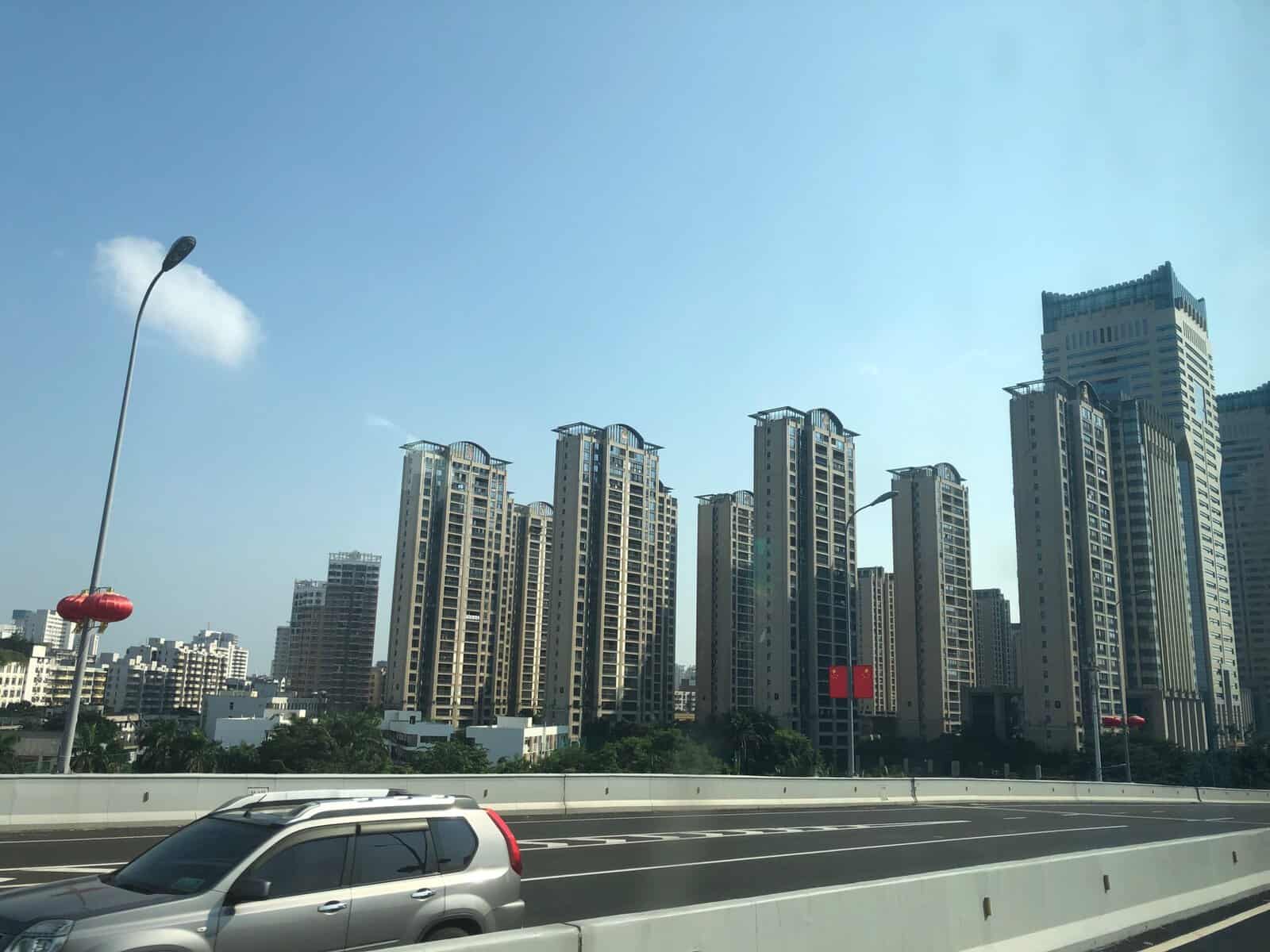
Hainan Island offers Beaches, high-speed rail, and an Ancient Culture
By Max Hartshorne
GoNOMAD Editor
Hainan Island sits at the southern tip of China, closer to Vietnam than to Beijing, and feels like a world apart from the mainland. China calls it its “Hawaii,” a comparison that isn’t far off. The island has palm‑lined beaches, warm water, volcanic landscapes, and a tropical climate that draws millions of domestic travelers each year.
But for international visitors, Hainan still feels like a secret, a place where you can wander quiet bays, explore old streets in Haikou, or hike through rainforest without crowds.
I traveled to Hainan to see what China’s island province really offers beyond the glossy resort brochures. What I found was a mix of modern coastal cities, fishing villages, surf beaches, and a surprising amount of nature. Hainan is changing fast, but it still has pockets of authenticity that make it worth the long flight.
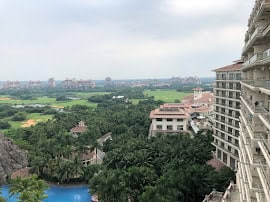
My visit to Hainan was in 2020, when the island was adding a gigantic addition to its already cavernous convention center. We visited the Mission Hills Golf Center, where 10 championship 18-hole golf courses are waiting. But we saw no golfers, only busy staffers cutting grass and doing other chores. This complex also features
The Volcanic Mineral Springs is where one of the most famous features is the spa. It holds the Guinness World Record for the “Largest Mineral Springs Spa.” It features over 160 pools modeled after different regions of the world (Turkish baths, Roman pools, etc.).
Movie Town (Movie City): Located right next to the resort, this is a massive cinematic theme park and film studio designed to look like 1940s China. It’s a popular spot for tourists to walk around in traditional period clothing.

Why Visit Hainan Island
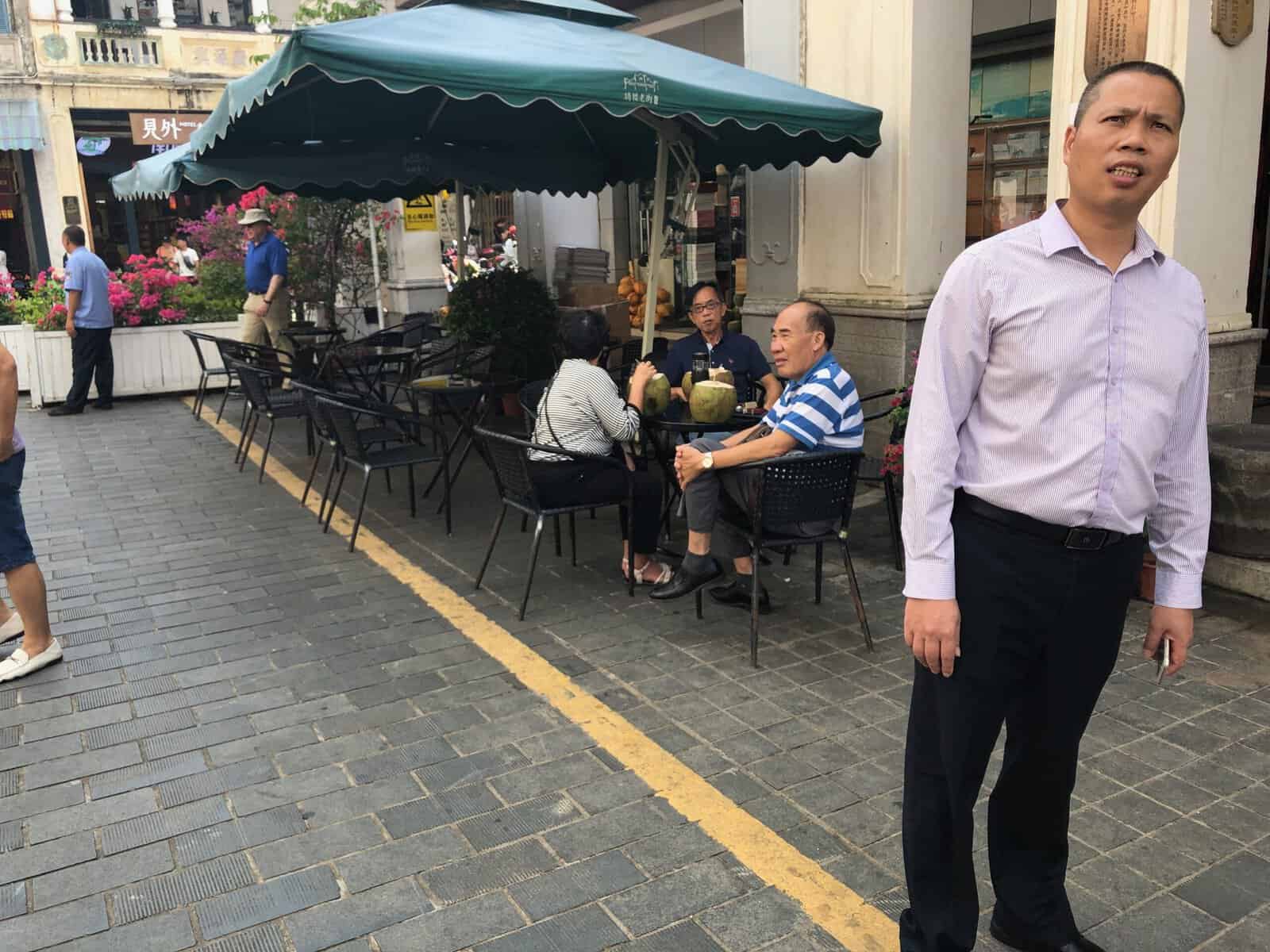
Hainan is one of the few places in China where the pace slows down. The island has a relaxed, tropical feel, with warm weather most of the year and a coastline that stretches for hundreds of miles. Travelers come for the beaches, but they stay for the food, the markets, the hot springs, and the sense that this is a different side of China.
The island is also visa‑free for many nationalities, making it one of the easiest places in China to visit. English is more common here than in many mainland cities, and the tourism infrastructure is modern and reliable.
Sanya: Hainan’s Beach Capital
Sanya is the island’s southern resort city, famous for its long beaches and high‑end hotels. Yalong Bay is the most polished stretch of sand, with calm water and a row of luxury resorts.
Haitang Bay is quieter, with newer hotels and a long, undeveloped shoreline. Dadonghai is the most local of the three, with beach cafés, small restaurants, and a lively boardwalk.
Sanya is where most visitors start, and it’s easy to see why. The beaches are clean, the water is warm, and the city has a tropical energy that feels more Southeast Asia than mainland China. But Sanya is only one part of Hainan, and leaving the resort zone reveals a very different island.
Haikou: Old Streets and Island Culture: Silent Streets
Haikou, the provincial capital, sits at the northern end of the island. It’s less about beaches and more about culture, food, and history. The city’s Qilou Old Street district is a maze of arcaded buildings with a mix of Chinese and Southeast Asian influences. Many have been restored, and the area is now filled with cafés, noodle shops, and small museums.
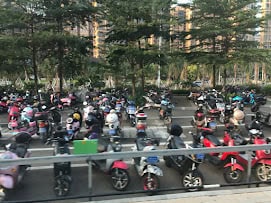
What struck me after I ventured out into the streets was the silence… although there were all manner of motorcycles passing by, each one was silent, gliding by on batteries. It’s a striking difference to the cacaphony you’d usually hear on any Chinese street.
Haikou also has a volcanic park, a mangrove reserve, and a growing arts scene. It’s a good base for travelers who want to explore the island’s interior or who prefer a more local experience than Sanya’s resort strip.
The East Coast: Surfing, Fishing Villages, and Quiet Bays

The stretch of coastline between Wanning and Lingshui is one of Hainan’s most interesting regions. Riyue Bay has become China’s surfing capital, with consistent waves and a laid‑back beach community.
Farther south, small fishing villages sit along quiet coves where you can watch fishermen mend nets or buy fresh seafood right off the boats.
This part of Hainan feels less developed than Sanya and more connected to the island’s traditional culture. It’s also where you’ll find some of the best seafood on the island, especially grilled fish and spicy Hainan crab.
Hainan’s Rainforest Interior
Hainan isn’t just about beaches. The island’s interior is covered in thick rainforest, with mountains, waterfalls, and wildlife. Wuzhishan, the Five Finger Mountain, is the island’s most famous peak and a popular hiking destination. Yanoda Rainforest Park offers canopy walks and guided nature trails. These areas show a side of Hainan that most beach travelers never see.
Best Time to Visit Hainan Island
Hainan has a tropical climate, which means warm temperatures year‑round. The best time to visit is from November to April, when the weather is dry and comfortable. Summer brings heat, humidity, and occasional typhoons, though it’s still a popular time for domestic travelers.
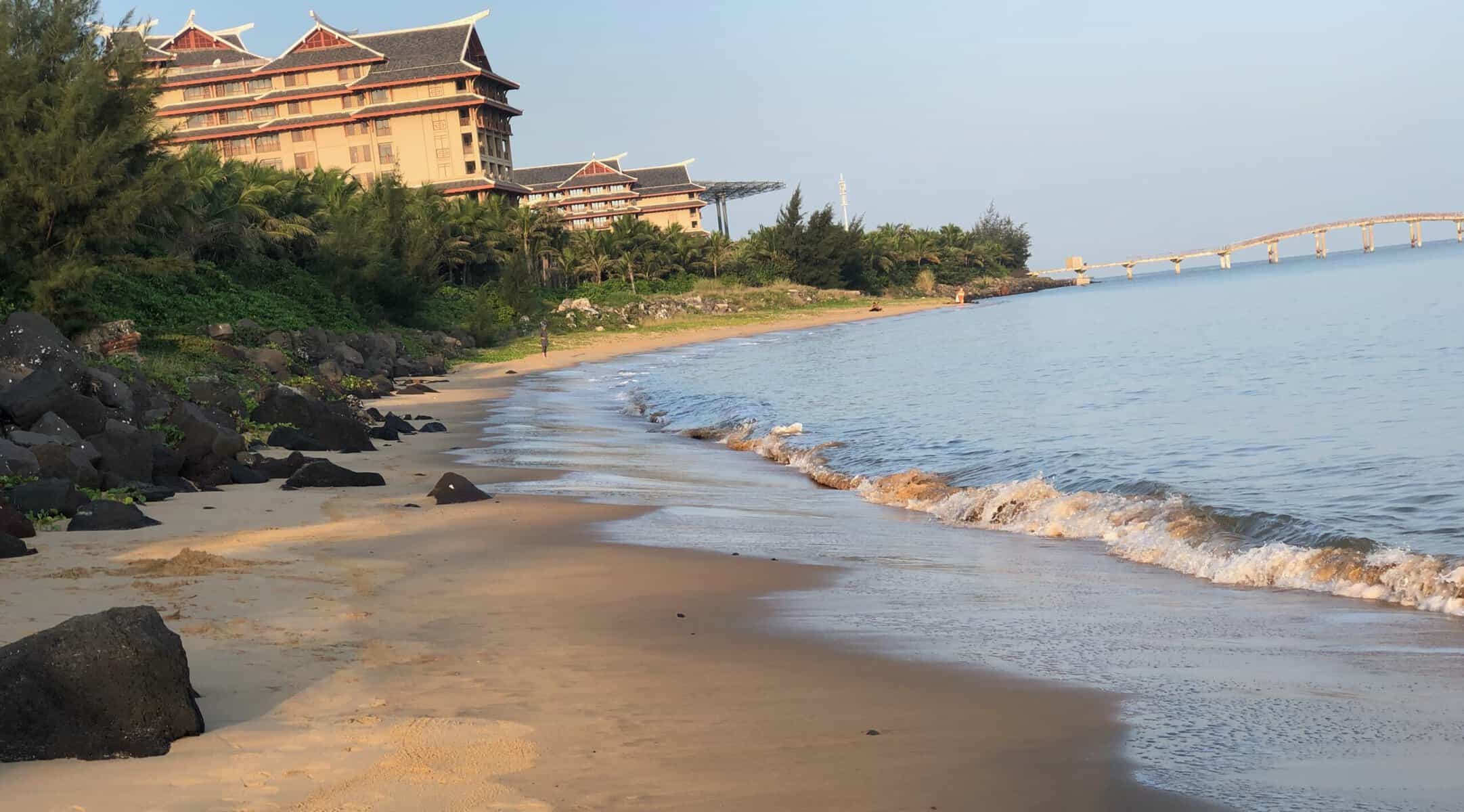
If you want calm seas and clear skies, winter is ideal. If you prefer fewer crowds and lower prices, early spring and late fall are good choices.
How to Get to Hainan
Hainan has two major airports: Haikou Meilan in the north and Sanya Phoenix in the south. Both have frequent flights from major Chinese cities and a growing number of international connections. A high‑speed rail line circles the island, making it easy to travel between cities without renting a car. Hainan has its own airline that flies relatively new Boeing Dreamliners; they fly from Seattle in the U.S., but most flights stop in mainland China.

What to Eat on Hainan Island
Hainanese chicken rice may be the island’s most famous export, but the local cuisine goes far beyond that. Seafood is everywhere, from grilled fish on the beach to elaborate hot pots in Haikou. Coconut rice, Hainan noodles, and tropical fruit are staples. The island’s markets are lively and full of surprises, especially at night.
A Simple Hainan Itinerary
A first‑time visitor can see the highlights in four or five days. Spend two nights in Sanya for beaches and relaxation, then head north to Haikou for culture and food.
Add a day or two on the East Coast if you want surfing or quieter beaches. Travelers with a week can include rainforest hikes or a visit to Wuzhizhou Island for snorkeling.
Why Hainan Is Worth the Trip
Hainan Island is changing quickly, but it still has the mix of nature, culture, and tropical ease that makes it one of China’s most appealing destinations. Whether you come for the beaches, the food, or the rainforest, the island offers a side of China that feels fresh and unexpected. It’s a place where you can slow down, explore, and discover something new.
IF YOU GO: Hainan Island in 2026
Getting There Hainan has two major airports: Haikou Meilan International Airport in the north and Sanya Phoenix International Airport in the south. Both have frequent flights from major Chinese cities and growing international connections. A high‑speed rail line circles the island, making it easy to travel between Sanya, Haikou, and the east coast.
Best Time to Visit: The ideal season is November through April, when the weather is dry, sunny, and comfortable. Summer brings heat, humidity, and occasional typhoons, though it’s still popular with domestic travelers.
Where to Stay: Sanya offers the island’s best beaches and resorts, especially around Yalong Bay, Haitang Bay, and Dadonghai. Haikou is better for culture, food, and exploring the island’s interior. The east coast around Wanning and Riyue Bay is great for surfing and quieter beaches.
Getting Around: The island’s high‑speed rail loop is the easiest way to move between cities. Taxis and Didi (China’s rideshare app) are widely available. Renting a car is possible, but not necessary for most travelers.
What to Eat: Seafood is the star: grilled fish, spicy crab, and shellfish pulled straight from the water. Don’t miss Hainanese chicken rice, coconut rice, and the island’s tropical fruit.
Top Experiences: Beaches in Sanya, surfing at Riyue Bay, exploring Haikou’s Qilou Old Street, hiking in the rainforest near Wuzhishan, and visiting offshore islands like Wuzhizhou for snorkeling.
Visa Info: Hainan offers visa‑free entry for many nationalities when arriving directly into the province. Check current requirements before traveling.
Language & Money: English is more common here than in many mainland cities, especially in Sanya. ATMs are widely available, and mobile payments dominate, though cash is still accepted.



Since 2000, he has reported from dozens of countries across Europe, Asia and the Americas, focusing on the kind of immersive, first‑hand travel that reveals how people really live. Max’s work blends on‑the‑ground reporting with practical, traveler‑tested advice. He has interviewed chefs, bus drivers, innkeepers, and everyday locals and explored destinations ranging from small New England towns to remote corners of Greenland and South America. His writing has appeared in regional newspapers, national outlets, and across the GoNOMAD network.
In addition to his editorial work, Max hosts the GoNOMAD Travel Podcast. He is also a columnist for the Greenfield Recorder, where he writes about travel, community, and life in Western Massachusetts.
Max lives in South Deerfield, Massachusetts and still travels frequently. Visit his blog at MaxHartshorne.com
- Hainan Island: China’s Tropical Escape - May 9, 2026
- Vienna Beyond the Palaces: Where Locals Go - April 28, 2026
- Nuquí, Chocó: Colombia’s Wild Pacific Coast - December 26, 2025