Lassen Volcanic National Park: California’s Least-Visited
Exploring California’s Least-Visited and Most-Stunning National Park
By Noreen Kompanik
GoNOMAD Senior Writer
I remember the first time my husband and I visited Lassen Volcanic National Park. We looked at one another and asked “Why did we not know about this place a long time ago?” The bottom line is that this incredibly fascinating national park located in northeastern California is known for its geothermal features and volcanic landscapes, offering a variety of natural wonders and outdoor recreational activities.
Lassen Volcanic National Park lies within the southern part of the Cascade Range that extends from northern California up through Oregon and Washington and into British Columbia, Canada. The park is about 50 miles east of the city of Redding and is accessible by several highways. And oh, the surprises that were in store for us when we arrived for a day of exploration. Including the fact that unlike other national parks across the U.S. during summer, there were no crowds and only a small amount of other people there on our mid-week visit.
Snow and Ice in August?
The dominant feature of this national park is Lassen Peak, the largest plug dome volcano in the world, reaching over 8,500 feet. Home to pristine alpine lakes, bubbling streams, steaming fumaroles, and wildflower-covered meadows, Lassen is a fascinating piece of heaven on Earth. The mountain scenery is reminiscent of Yosemite and its thermal wonders are similar to Yellowstone but all without the crowds of these other popular national parks.
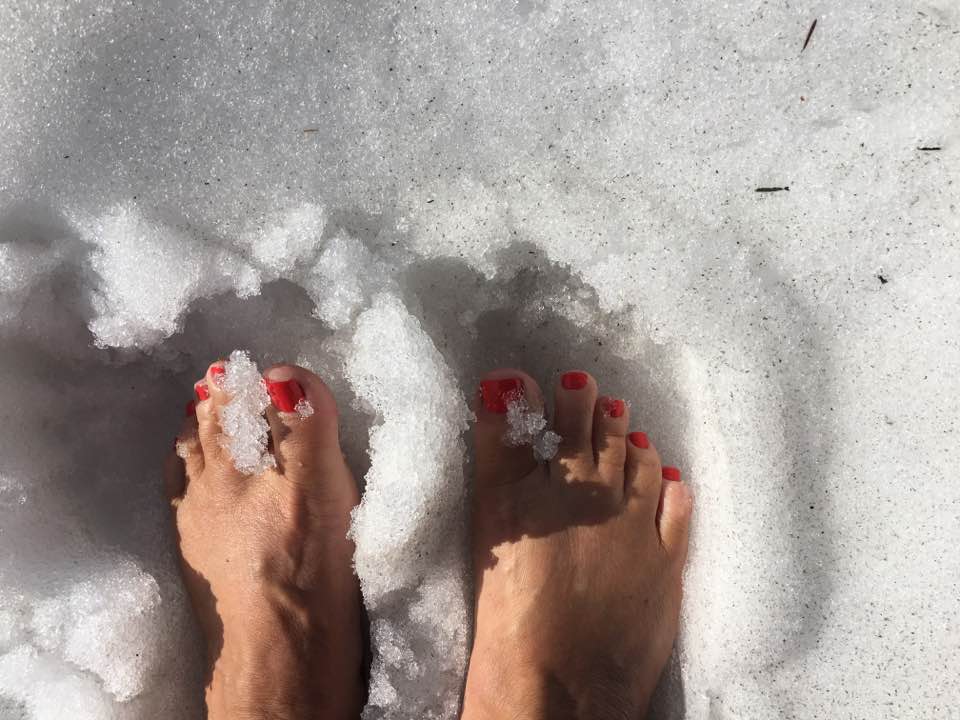
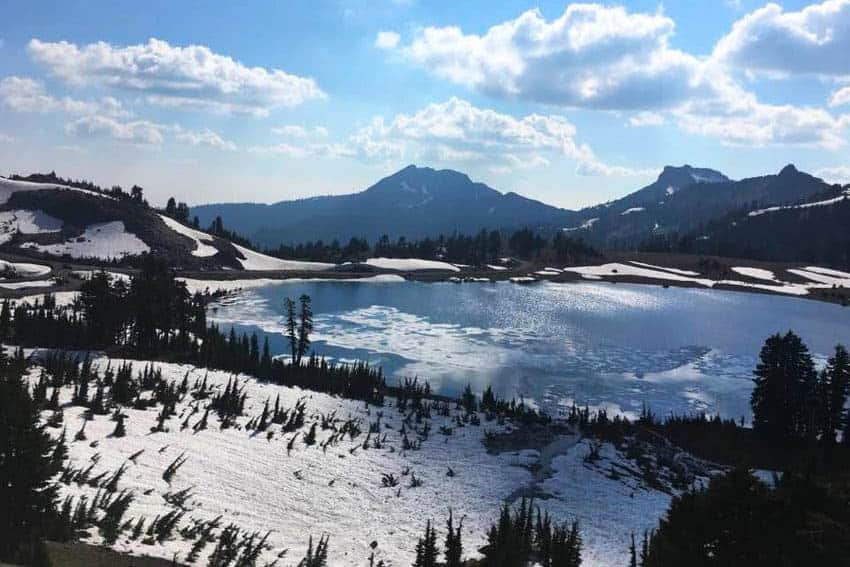
Our biggest shock when we visited during in August a few years back was discovering snow-covered mountaintops, eight-foot snowdrifts, and a partially frozen-over lake with floating chunks of ice. We were comfortably dressed in shorts and T-shirts and yet, there we were, surrounded by elements of winter.
If that is the case, when is the best time to visit Lassen Volcanic National Park? The local experts say late May through October is the ideal season though the park is open 24 hours a day, 365 days per year. If you love snow, however, one ranger told us that visitors can find plenty of opportunities for sledding, cross-country skiing, backcountry skiing, and snowboarding. But according to the weather, expect some limited access areas during this season.
Starting at the Visitors Center
Visitors should start at the park visitor center to pick up a copy of the park brochure. We had some ideas ahead of our visit to the must-see sites and attractions within the national park, but we like to talk with a park ranger to get the insider scoop, updates and recommendations. And they are always more than happy to help. This is the ideal starting point for your visit and a great place to learn about the natural and cultural history of the park.
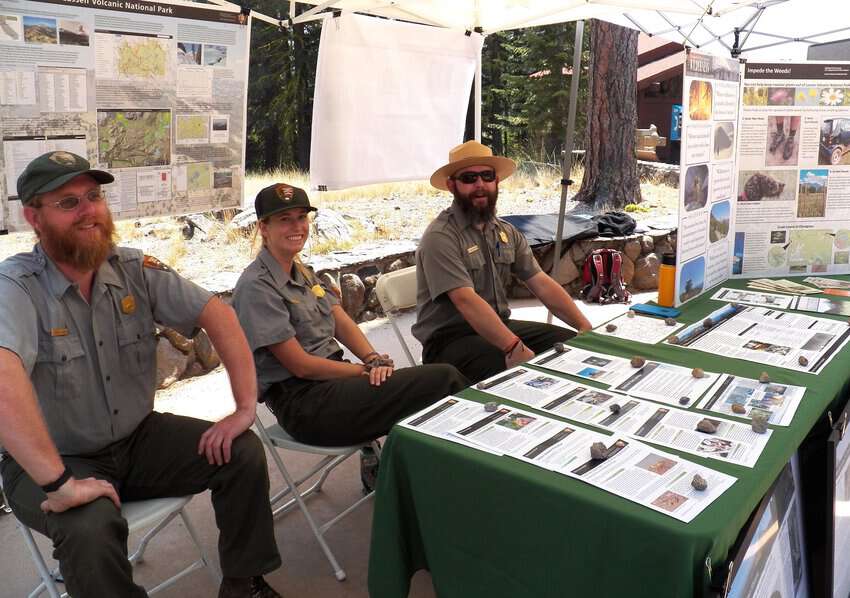
The brochure can also be downloaded as an audio version which also explores the park’s contrasting seasons, dramatic geology, resilient ecosystems, vast wilderness, and other important information. The audio version lasts about 35 minutes, divided into 15 different sections to make the listening experience easy. Whether you choose the paper or audio version, you’ll appreciate the amazing photos that accompany it.
Overview of the Park
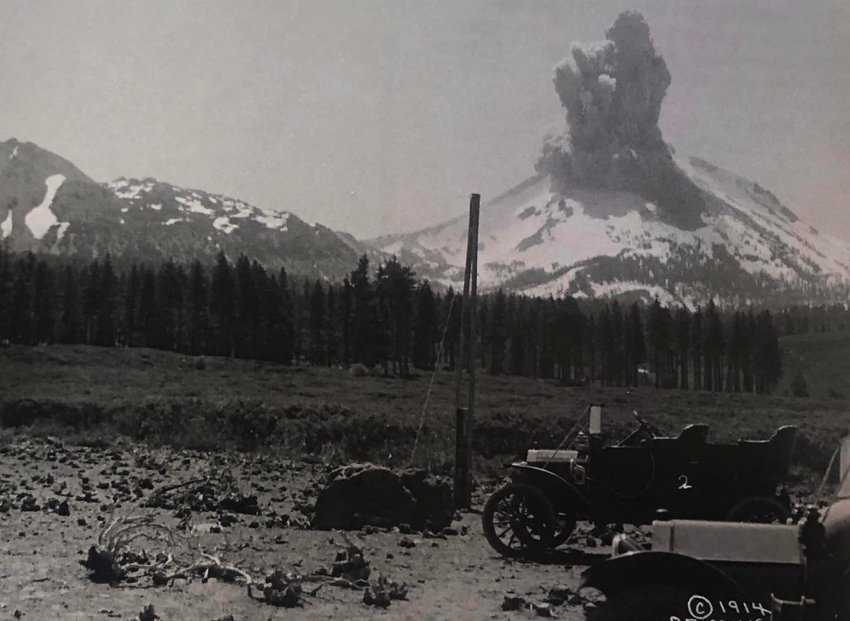
Established in 1916, Lassen covers over 100,000 acres. Its last eruptions took place between 1914 and 1921 with the largest explosion on May 22, 1915. These eruptions, photographed by a local businessman paved the way for the creation of Lassen Volcanic National Park which also happens to be home to all four types of volcanoes found on the planet: shield, composite, cider cone and plug dome.
Yes, you’ll have to drive to see the awe-inspiring sites as the park offers a 30-mile artery running through the eastern side of the park. Word of warning, however, as you’ll have several “Honey, stop the car moments” as we did. Yes, the park is massive, but with a map and a plan, you’ll get to see the best features of this magnificent national treasure.
Hike Bumpass Hell Trail to Geothermal Features
Based on our park guide’s recommendations, we headed out to this trail in the morning. The hike is approximately three miles round-trip with an elevation gain of only about 300 feet. The trail is considered moderate, which as hiking aficionados we agree with, making it suitable for most, including families.
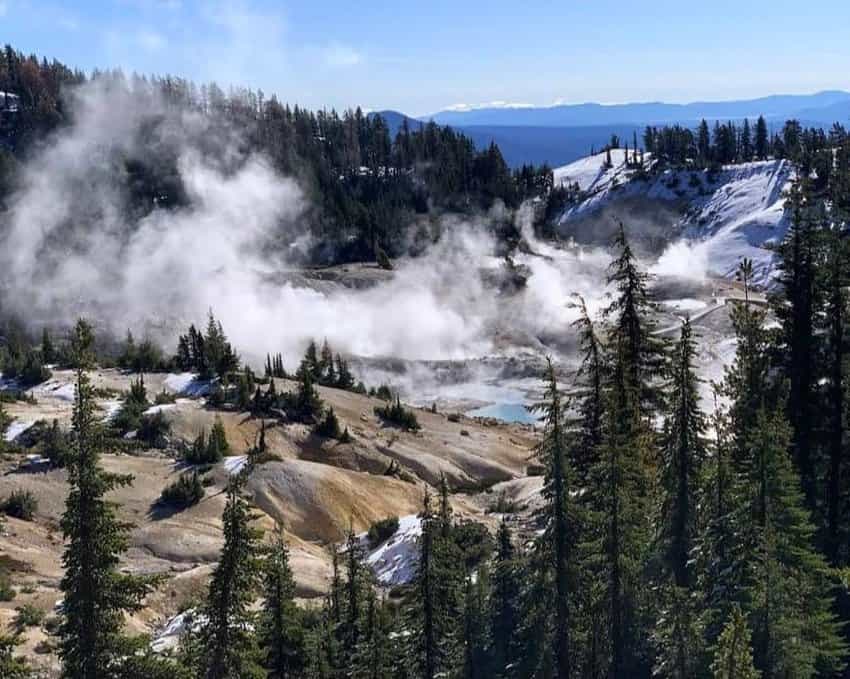
Bumpass Hell is the largest hydrothermal area in the park, covering 16 acres. It features boiling springs, mud pots, fumaroles, and sulfur vents. The area is named after Kendall Vanhook Bumpass, a guide who discovered the site in the 1860s and suffered severe burns after falling into one of the boiling pools.
To protect the delicate geothermal features and ensure visitor safety, parts of the trail include a boardwalk that allows hikers to walk above the steaming and bubbling landscape and admire the volcanic features of this fascinating area.
Other Hydrothermal Areas
Lassen Volcanic National Park has eight different hydrothermal areas. Sulfur Works is one of the most accessible, located near the Kohm Yah-mah-nee Visitor Center. Boiling Springs is another popular site that includes a less than two-mile round trip taking visitors through mountain meadows and forests for an unbelievable view of this 125-degree lake.
For more avid outdoor adventures, the more strenuous hike to Devil’s Kitchen is a good choice. We’ve never taken this hike, though friends of ours who spent more time in the national park proclaim that the almost 5-mile moderate hike takes visitors on a journey through time near a myriad of hissing steam vents and to heights where they can hear boiling water sounds under the Earth’s surface. This is a definite for our next visit.
Magnificent Manzanita Lake
Pristine is the best way to describe this picturesque body of water and the best views are available early in the morning for magical reflective photos. We did this first before heading to Bumpass Hell. Park rangers also note that sunrise and sunset are other magnificent times to visit the lake.
The surrounding area is forested, with pine and fir trees and a variety of colorful wildflowers during the summer months. Swimming is
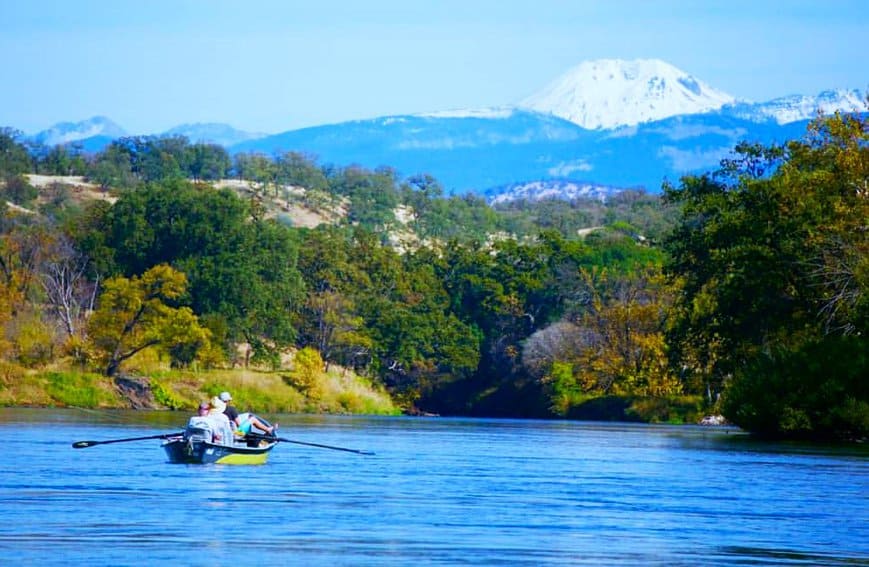
allowed, although the water temperature felt pretty darn cold during our visit. Kayaking and trout fishing are also popular. There’s also the option of taking a relatively easy 1.5-mile loop trail around the lake with no elevation changes offering beautiful views and wildlife spotting opportunities.
Kings Creek Falls
I’m a sucker for waterfalls, so if a hike’s end game is a cascade, I’m all in. The falls are one of the most notable attractions in Lassen Volcanic National Park and the trailhead is accessible from the Kings Creek Picnic area along the main park road.
The hike to the 40-foot cascading falls is almost three miles round-trip but so worth it as the trail offers stunning views of the surrounding
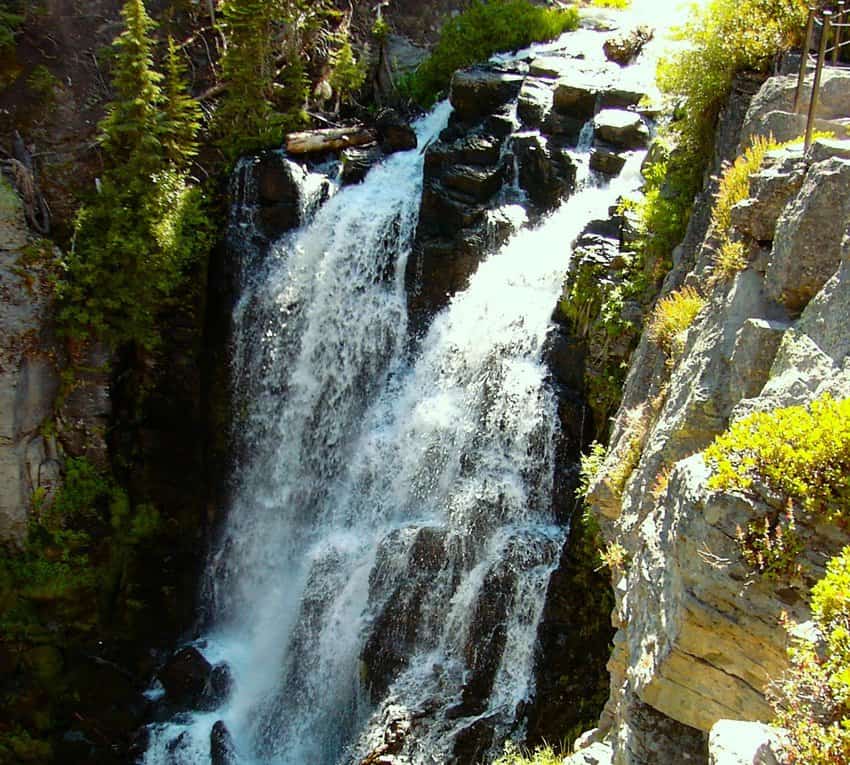
forest and meadows. The waterfall flows down a rocky cliff, ending in a lush, green canyon that’s particularly impressive in the spring and early summer when water flow is at its peak due to snowmelt.
Luckily for us on our visit, the spring and summer brought a good amount of snowmelt, so the falls were still seeing an impressive flow.
Mill Creek Falls
This is the tallest waterfall in Lassen Volcanic National Park featuring a 75-foot drop. The trail begins at the Kohm Yah-mah-nee Visitor
Center, near the southwest entrance to the park. The moderate hike is a little over three miles round-trip with an elevation change of about 935 feet and includes some creek crossings and in summer, fields of yellow mule ears, a showy and striking yellow and orange meadow flower most often seen in Colorado.
Discover Higher Elevation Lakes
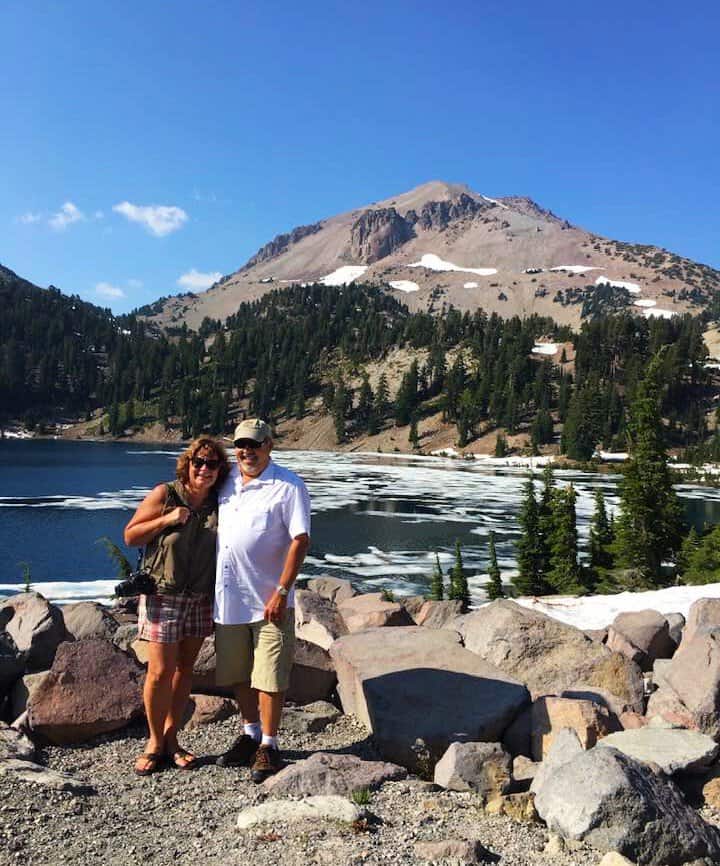
While Manzanita Lake is around 5,800 above sea level, Glacial Lake Helen sits at about 8,200 feet. It is frozen or covered in snow much of the year, but when it’s partially or fully thawed, it makes for a picture-postcard-perfect scene.
Although swimming is possible in this alpine lake, the water is ice cold. We know as we couldn’t resist just dipping our toes in the crystalline water. On a clear and still day, you can see Lassen Peak’s perfect reflection in Lake Helen.
Emerald Lake, a smaller body of water is located near Lake Helen and so-named for its green hues and reflection of the surrounding pine forests. The water here is also cold and crystal-clear. Though not as popular as Helen Lake, it is stunning to see, especially in the quiet morning hours when the water reflects the surrounding mountains.
Hike to Lassen Peak
We had no time to do this hike on our trip because of our desire to fit in as many other magnificent views as possible and the fact that there was still snow and ice on the trails.
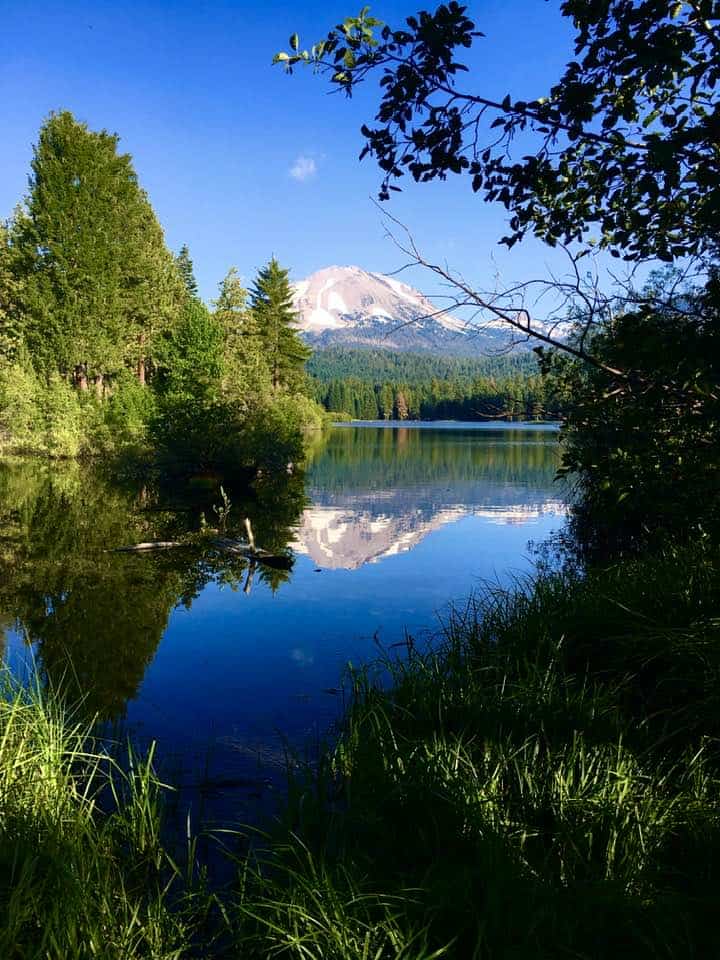
When the volcano erupted in the early 1900s, it changed the landscape of the park forever. Our national park guide explained that visitors can hike up to the top of the 10,000-foot dominant peak on a five-mile round trip, though the hike isn’t for the faint of heart. However, views from the top are more than worth the effort.
Lastly, Tips for Visiting
Unlike some of the more popular national parks in the U.S., Lassen Volcanic National Park does not require reservations or timed entries though a standard pass is required at the entrance for each vehicle.
There is no charge for entry if you have an America the Beautiful National Parks and Federal Recreations Lands Pass. This is a free pass for active-duty military and veterans and those visiting with a permanent disability. A discounted senior pass is also available to U.S. citizens or permanent residents aged 62 and over.
If the Loomis Museum is open, pop in for some fascinating photos and information that includes volcanic eruptions, fascinating exhibits, and more.
Always keep safety in mind first, especially when you’re visiting a park that doesn’t have as many people. Stay on the trails, don’t try to pet the bison, keep your distance from wild animals, never feed the wildlife and when taking photos of wildlife, use a zoom lens and give them plenty of room.
Leave only footprints. What you bring into the park, you should take out. Make sure if you’re hiking to have plenty of water but leave those plastic bottles at home. If you’re hiking to Lassen Peak, have even more water due to the elevation, and take your time as you may feel some shortness of breath. Despite the time of year you visit, make sure to have sunscreen. Despite the season, the sun can be very direct and intense.
How fortuitous that naturalist and wilderness preservation advocate John Muir once said. “Thousands of tired, nerve-shaken, over-civilized people are beginning to find out going to the mountains is going home; that wilderness is a necessity.”
This couldn’t be truer than a visit to a more off-the-beaten-path treasure like Lassen Volcanic National Park. This is nature at its absolute best.


- Manuel Antonio National Park, Costa Rica’s Pride - November 21, 2024
- Balboa Island, One of Socal’s Favorite Spots - September 16, 2024
- Lassen Volcanic National Park: California’s Least-Visited - July 19, 2024