The Quiet Travel Moments We Remember Most
Finding Quiet Moments Between Destinations

By Sarah Jones
I have spent enough time in airports and train stations to know that travel has its own rhythm. It is not the rhythm of schedules or departure boards. It is something quieter that settles in during the in‑between hours. The quiet travel moments.
A crowded airport at dawn feels completely different from a sleepy station in the mountains of Eastern Europe, and after years on the road, I have learned to pay attention to those shifts. They tell their own stories if you sit still long enough.
During a train ride through northern Italy, I found myself watching the landscape roll by while the carriage hummed with the soft sounds of people passing the time.
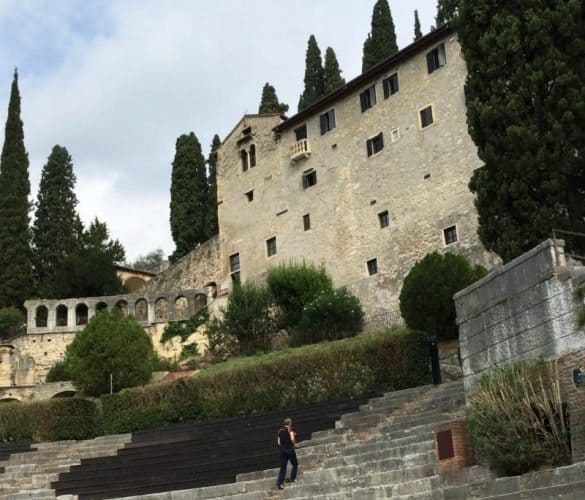
Vineyards stretched across the hills outside Verona, a city famous for its Roman amphitheater that still hosts summer opera performances.
Inside the train, a young traveler near me spent nearly the entire ride absorbed in a digital version of minesweeper gambling. Another switched between maps, photo edits, and crossword puzzles. It struck me how these tiny rituals have become part of modern travel. We carry entire worlds in our pockets now, and they fill the quiet hours between destinations.
I have always loved those slow moments. They remind me that not every part of a journey needs to be dramatic. Some of the best memories come from the hours when nothing much is happening. A traveler I met in Montenegro once told me that his favorite moment in the country came from a storm that delayed his ferry for half a day.

A Day in a Harbor Cafe
He spent the afternoon in a tiny harbor café in Kotor, a town known for its medieval walls that climb steeply into the mountains. Rain hammered the windows while strangers traded stories about missed connections and future plans. By the time the storm cleared, everyone at the table knew each other’s next stop. That is the kind of memory you cannot plan.
Travelers today carry phones loaded with maps, downloaded music, translation tools, and small games that help pass the time. I have noticed how naturally puzzle games fit into this rhythm. They offer quick sessions that do not demand full attention. You can play for a few minutes, look up to watch the coastline, then slip back into the game when the bus hits another long stretch of road. It is a small comfort that fits neatly into the unpredictable pace of travel.
 On overnight buses in South America, I often saw people creating little islands of comfort around themselves. A travel pillow tucked against the window. Headphones playing something familiar. A downloaded movie paused halfway through. A simple game glowing on a screen. Those hours between midnight and sunrise can feel endless when the road twists through the Andes. A familiar activity gives shape to the darkness. It becomes a small ritual that makes the journey feel manageable.
I have my own rituals too. I always look for local bakeries near train stations. I take photos of every hotel window view, even the unremarkable ones. These habits help me settle into unfamiliar places. They remind me that travel is not only about the big sights. It is also about the small routines that make the world feel a little more welcoming.
 Travelers Like Games
One reason simple games appeal to travelers is that they do not require complicated instructions. When you are juggling train schedules, hotel reservations, and unfamiliar currencies, the last thing you want is another system to learn. That is why classic puzzle formats continue to thrive. They are straightforward to slip into during a short break. They reward attention and timing rather than endless menus. It is the same reason backpackers choose lightweight gear and flexible plans. Simplicity feels like freedom on the road.
Travel culture has changed dramatically in the past decade. I remember carrying guidebooks thick enough to double as doorstops. Now everything fits inside a phone. Digital communities shape the way we experience destinations. Travelers swap restaurant tips in airport lounges. People on trains compare hidden beaches they discovered online only days earlier. Even entertainment habits have shifted. A delayed train no longer feels isolating when you can instantly connect with games, maps, and conversations from almost anywhere.

Remote Access Growing
A recent report I read mentioned how mobile access continues to expand worldwide, even in remote regions. That change has quietly transformed the atmosphere of travel. The world feels more connected, yet the essence of travel remains the same. We still chase the feeling of being far from home, even if our phones keep us tethered to familiar comforts.
The moments I remember most clearly are still the quiet ones. A mountain road covered in fog. A shared meal with strangers after missing the last bus. A quiet hour in a station café while rain taps softly against the windows. These pauses between destinations shape the story of a trip more than any postcard view.
During one long layover in Ljubljana, a city known for its dragon bridge and leafy riverside cafés, I sat beside a window and watched the slow drift of bicycles across the square. I played a few rounds of a simple puzzle game, then closed my phone and listened to the murmur of conversations around me. It felt like the perfect balance between movement and stillness. The world outside kept shifting while I stayed anchored in that small moment.
Travel is full of these contrasts. Long roads and short breaks. New cities and familiar habits. Noise and quiet. The best journeys leave room for all of it. A short game on a train does not compete with the experience. It becomes part of the atmosphere, another thread woven into the memory of the trip.
Sarah Jones is a freelance writer from London, UK.


- Living Free as a Digital Nomad in Thailand - May 21, 2026
- The Quiet Travel Moments We Remember Most - May 21, 2026
- Portland Maine for Tasty Lobster and City Flair - May 20, 2026