Nepal’s Three Greatest Himalayan Journeys
A Travel Journal Through Manaslu, Annapurna, and Everest
Three trails. Three worlds. One unforgettable country
By Subash KC
I arrived in Nepal with a simple plan. I wanted to walk. I wanted to breathe thin Himalayan mountain air and follow trails that have carried traders, monks, herders, and dreamers for centuries. I had three routes in mind, each one famous in its own way. The Manaslu Circuit. The Annapurna Circuit with Annapurna Base Camp. And the classic Everest Base Camp journey with the detour into the Gokyo Valley. I did not realize then how different they would feel or how much they would change the way I saw the Himalayas.
Manaslu: Nepal Before the World Arrives
The journey began with a long jeep ride out of Kathmandu, the kind where dust coats your clothes, and the road narrows until it feels like you are driving into another century. When we reached the Budhi Gandaki Valley, the noise of the city disappeared. The river drowned out everything except the sound of my own footsteps.
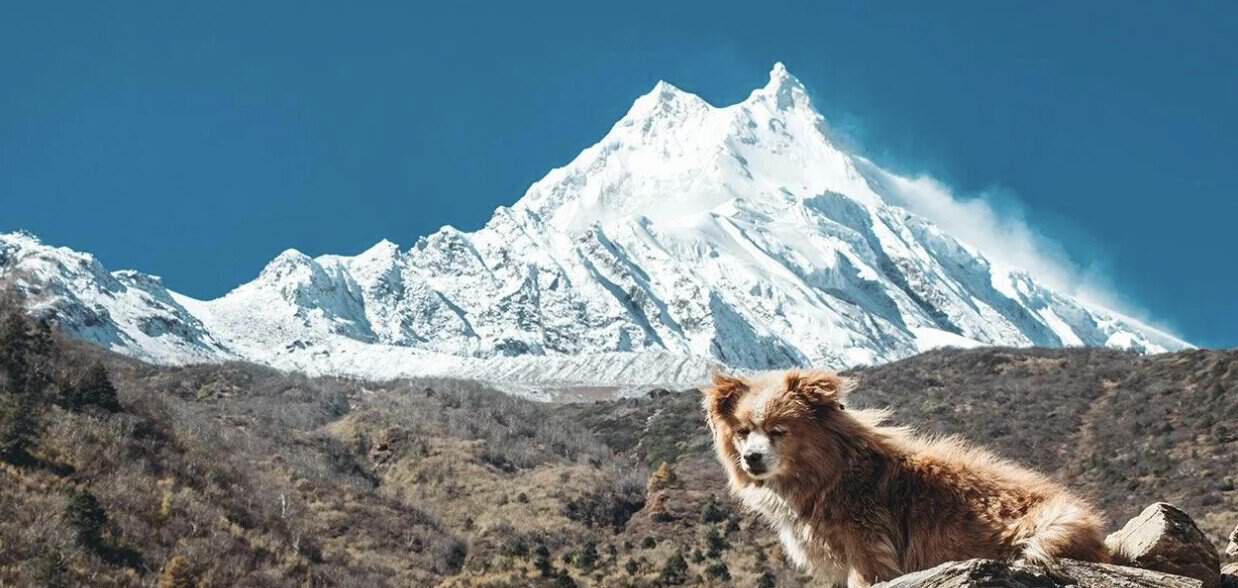
Manaslu felt untouched. I remember walking through forests so green they looked painted, then stepping onto suspension bridges that swayed above waterfalls. The trail followed old trade routes once used by Tibetan merchants. Every day, the landscape shifted. One morning, I was in a humid jungle. By afternoon, I was climbing toward glaciers.
The first time I saw Mount Manaslu, I stopped in the middle of the trail. The eighth-highest mountain in the world rose above the clouds like a white fortress. It looked unreal, as if someone had carved it out of ice and placed it there for effect. Higher up, the villages became more Tibetan. Stone houses, prayer wheels, yak caravans, and monasteries made the region feel like a world preserved by isolation.
The hardest day came when we climbed toward Larkya La Pass. We started before sunrise with headlamps lighting the frozen trail. The wind cut across the mountains, and every step felt heavier than the last. When I reached the top, prayer flags snapped in the wind, and the entire Himalayan range opened below me. It felt like standing on the roof of the world. The descent eventually led us into the Annapurna region, and I realized I had just completed one of Nepal’s great wilderness journeys.
If you want solitude, Manaslu is the place to find it.
Annapurna: A Journey Through Every Landscape Nepal Offers
After Manaslu, the Annapurna Circuit felt like stepping into a different country. The lower valleys were warm and green with terraced farms and villages that smelled of woodsmoke. As I climbed higher, pine forests replaced the farms. Then the trees thinned, and the landscape turned into a dry Himalayan desert that looked more like Tibet than Nepal.
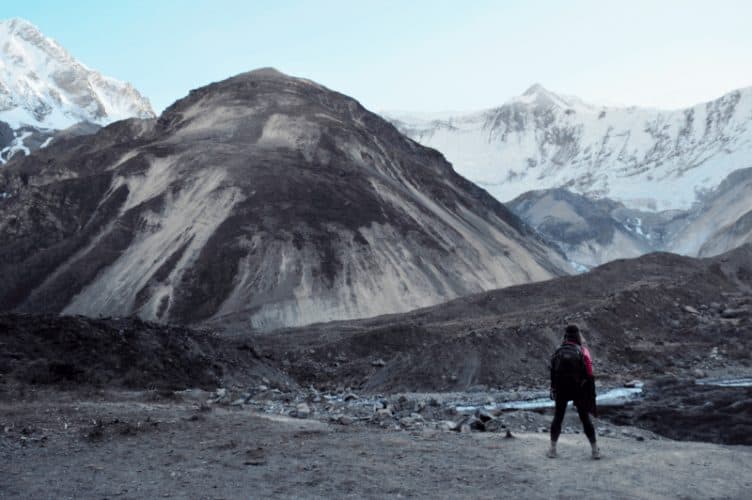
The Annapurna Massif dominated everything. It felt like walking through a museum of mountains, each peak more dramatic than the last. The biggest challenge was Thorong La Pass. We left before dawn, climbing slowly in the cold. When the sun finally hit the peaks, the exhaustion disappeared. The view stretched across an ocean of mountains.
After completing the circuit, I continued toward Annapurna Base Camp. This part of the journey felt more intimate. The trail wound through deep valleys with rhododendron forests and waterfalls crashing down cliffs. The mountains closed in until it felt like walking through a stone corridor.
Then the valley opened, and I stepped into one of the most spectacular natural amphitheaters on Earth. Annapurna I, Machapuchare, and a ring of giants surrounded the base camp. At sunrise, the peaks glowed gold and pink. The glaciers lit up like they were on fire. For a moment, the world felt perfectly still.
If you want variety, Annapurna gives you every landscape imaginable.
Everest and Gokyo: Walking Among Legends
Everest carries a kind of myth that you feel the moment you land in Lukla. The runway is short and carved into the side of a mountain. When the plane touched down, everyone on board cheered. This was the gateway to the Khumbu.
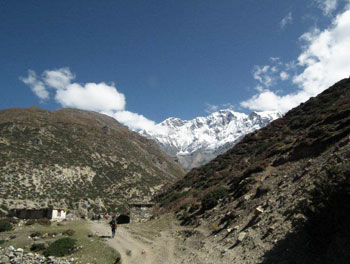
The trail climbed through Sherpa villages and across suspension bridges that hung high above rivers. At Namche Bazaar, I saw Everest for the first time. It was small in the distance but powerful enough to stop me in my tracks.
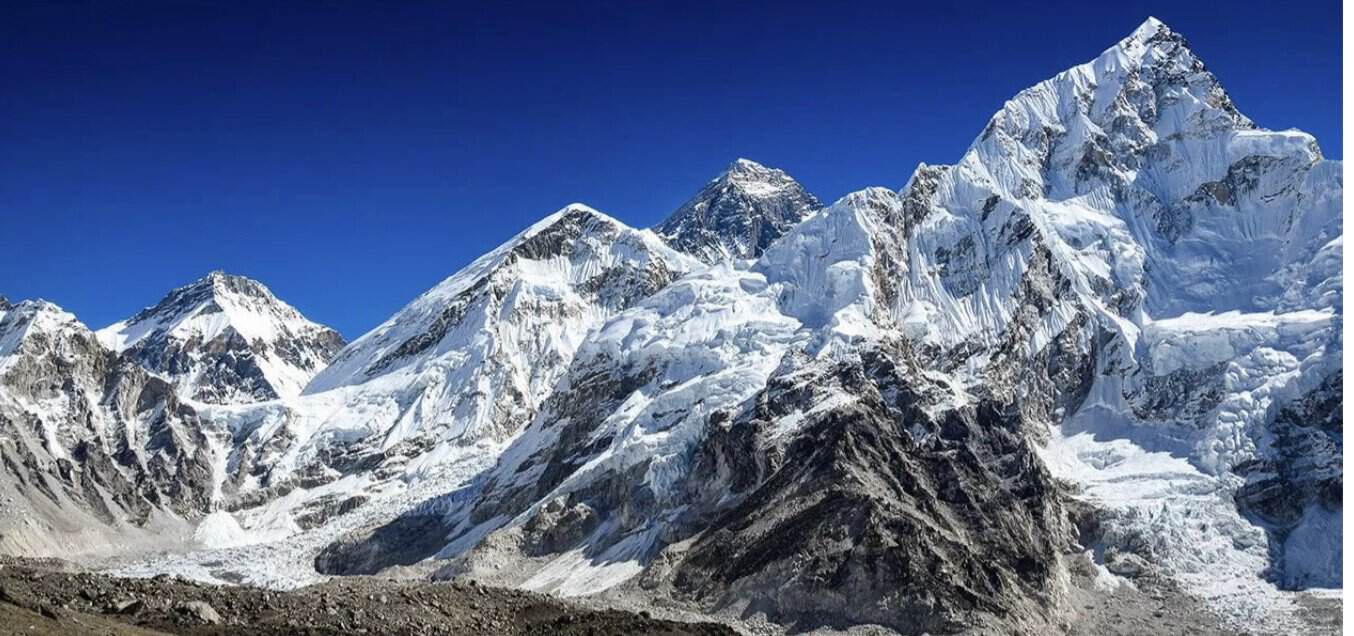
The route toward base camp passed monasteries, yak pastures, and glaciers. At Kala Patthar, I watched the sun set behind Everest, Lhotse, and Nuptse. The mountains glowed orange, and the sky turned clear.
Instead of heading back the same way, I crossed Cho La Pass into the Gokyo Valley. This crossing was one of the most beautiful sections of trail I have ever walked. Frozen lakes appeared beneath towering peaks. Glaciers stretched across the valley floor like rivers of ice.
Then I reached the Gokyo Lakes. The water was an impossible shade of blue. Before sunrise, I climbed Gokyo Ri. At the top, I saw Everest, Lhotse, Makalu, and Cho Oyu all at once. Four of the highest mountains on Earth from a single viewpoint. It felt like the Himalayas were revealing their full power.
If you want the classic dream of standing beneath the highest mountain on Earth, Everest is the journey.
Choosing the Right Trekking Team
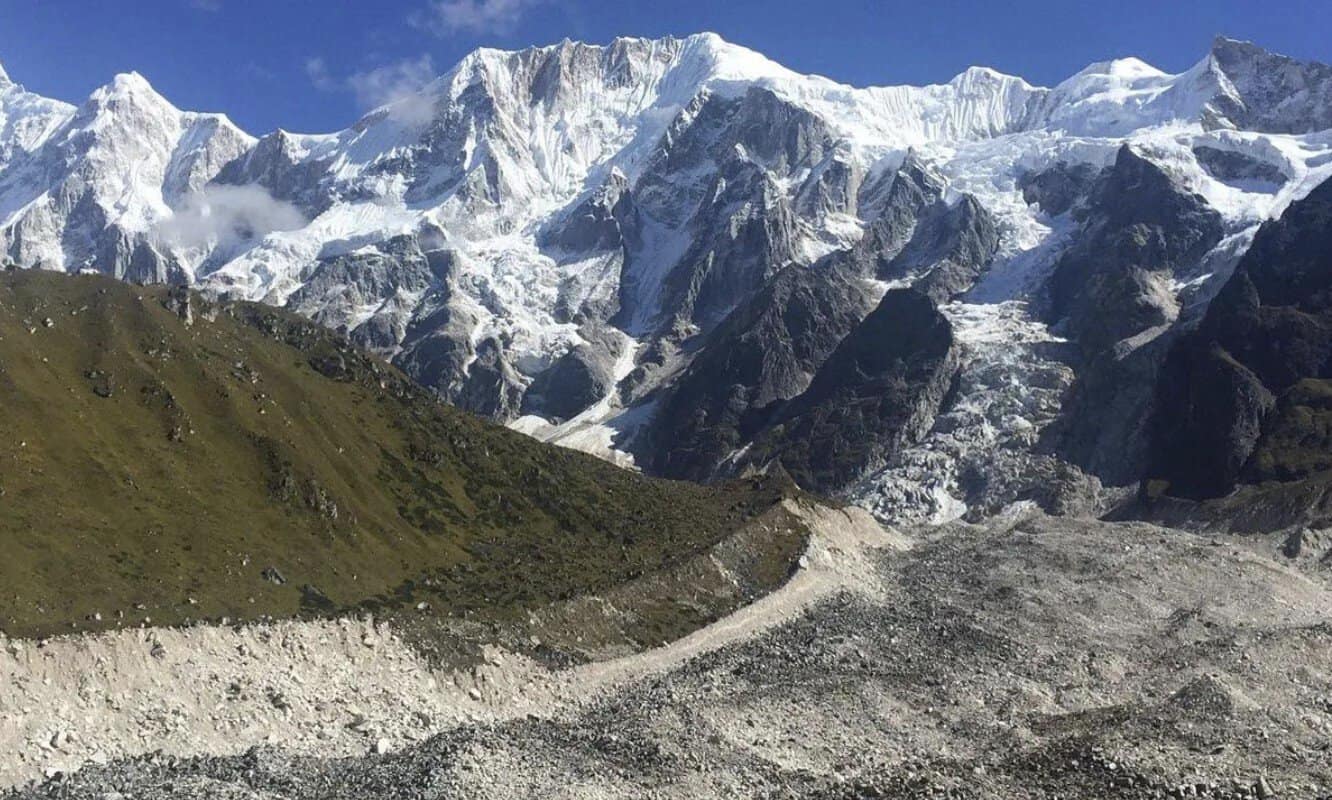
Before I came to Nepal, I had heard stories about trekking companies that cut corners. Helicopter rescues that were not necessary. Poor acclimatization schedules—guides who were not trained for emergencies. I wanted a team that put safety first, so I traveled with Exciting Nepal Trek. They handled permits, transportation, guides, and logistics so I could focus on the mountains.
What mattered most was their approach to safety. We followed proper acclimatization schedules. Guides checked our health every day. Decisions were made based on real conditions, not convenience. They also helped with gear like sleeping bags and down jackets, which made the cold nights easier to handle.
The guides were more than leaders. They were teachers, storytellers, and guardians of the trail. They knew the culture, the mountains, and the signs of altitude sickness. They made the journey feel personal.
 What I Learned in the Himalayas
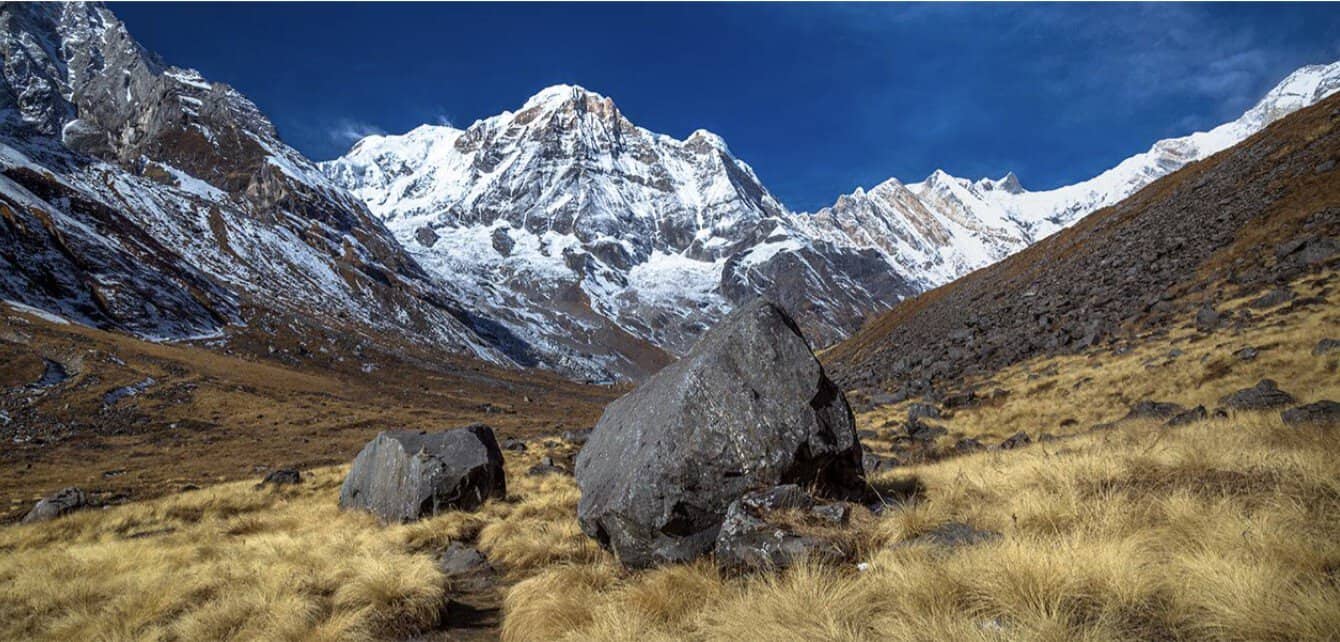
After weeks on these trails, I realized something simple. None of these treks is really about reaching a destination. They are about the sound of yak bells echoing across a valley. The way prayer flags flutter in the wind. The smiles shared in remote villages. The stars above high altitude camps. And those rare moments when you stand among the Himalayas and understand how vast and beautiful the world can be.
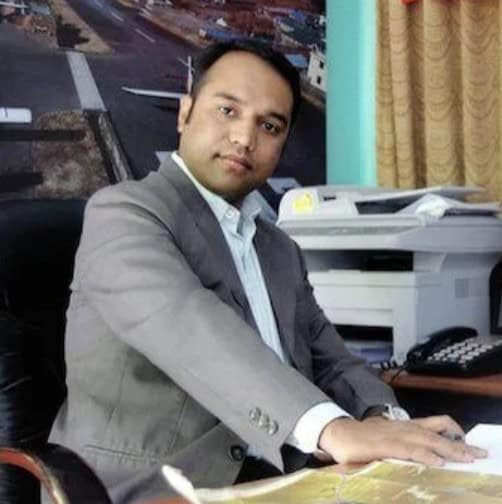 Subash KC is a mountain travel expert and the owner of Exciting Nepal Trek. He has been actively working in Nepal’s tourism industry for many years, specializing in Himalayan trekking, remote mountain logistics, and sustainable tourism development across the Himalayas. Beyond guiding travelers, he is also committed to supporting remote mountain communities and advocating for responsible tourism that benefits local people, especially those in marginalized and hard-to-reach regions. Contact him


- Nepal’s Three Greatest Himalayan Journeys - June 13, 2026
- Last Minute Ideas for Dad - June 12, 2026
- The Art of Slow Travel - June 11, 2026