
By Cathie Arquilla
GoNOMAD Staff
I went truffle hunting in Slovenia with a handsome dude. His name is Matjaž Beznik, and he is the founder of Mati-Truffle. In Slovenian, “Mati” means mother, and Matjaž chose this name for his business to symbolize the unconditional love for the earth and all that it nurtures, specifically truffles.
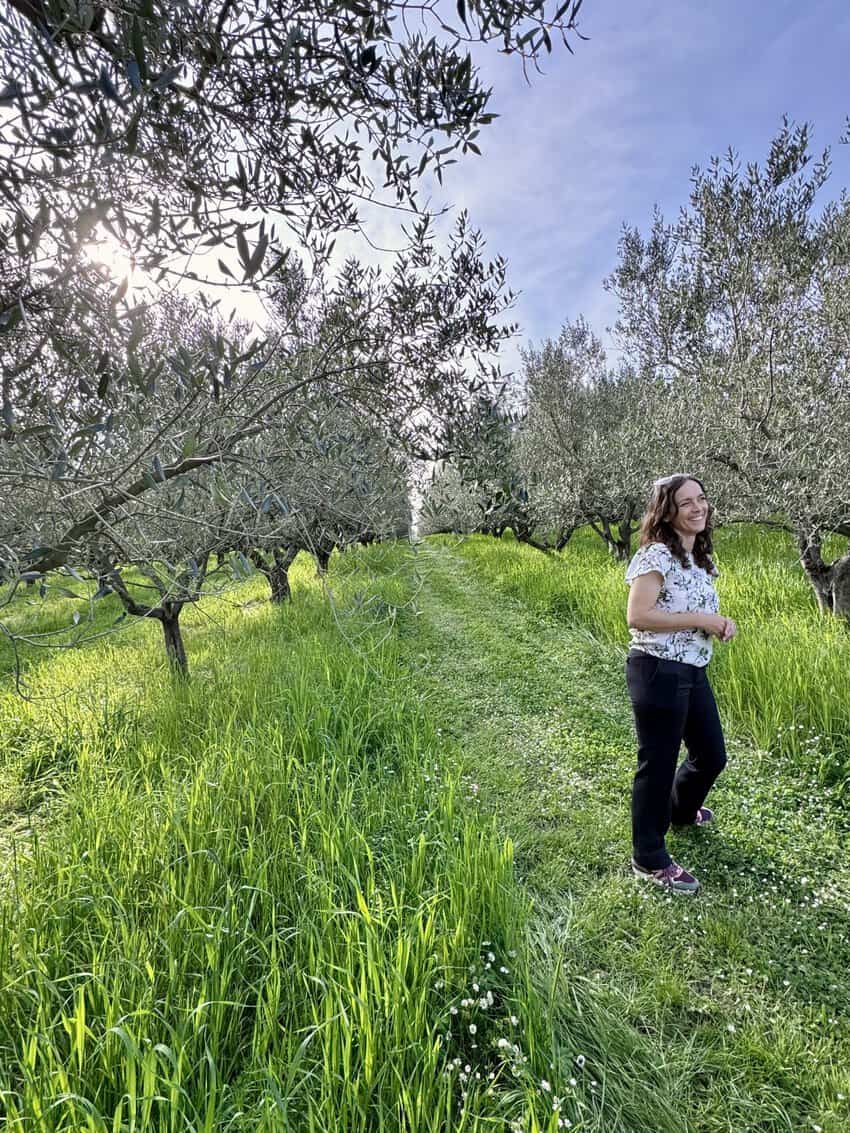
We were in the Horjul region near-ish to the restaurant Grič, where we would have a truffle tasting lunch, just west of the capital city, Ljubljana. Accompanying Matjaž were Erik and Fendi, his two truffle-hunting dogs. This was early April, and the wild flowers were beginning to color the ground. The dogs took turns hunting. Together, they were too distracted to work, mainly because two-year-old Fendi was in heat, and Erik is an 8-year-old male.
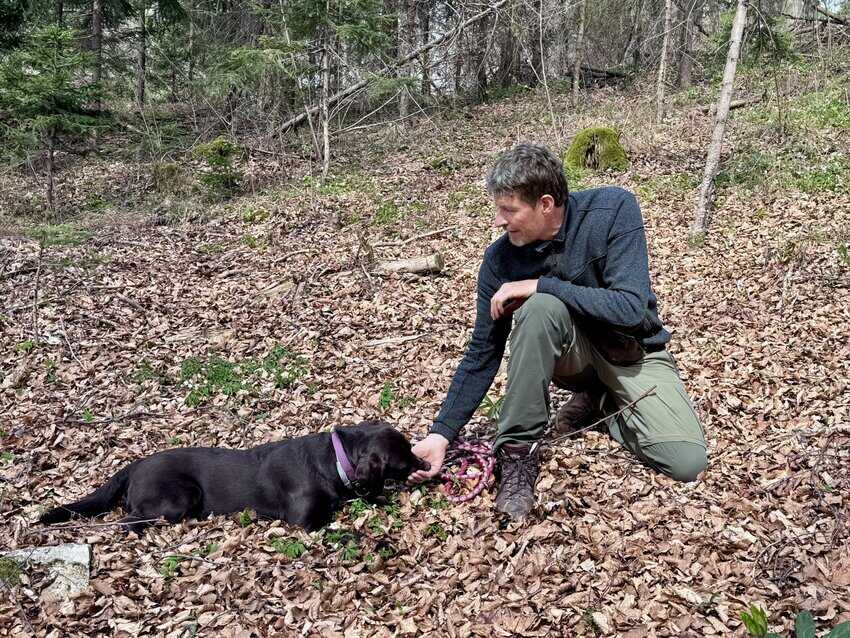
Matjaz educated our group on the diversity of truffles and how to avoid being duped by chemically flavored “truffle” products. When and where to find truffles: Fall and winter are best for hunting. While the Istrian region of Slovenia is known for the best truffle hunting, especially for its prized Tuber magnatum truffle, truffles can be found all over Slovenia. Fun Takeaway: The best way to experience real truffles is to grate them over food.
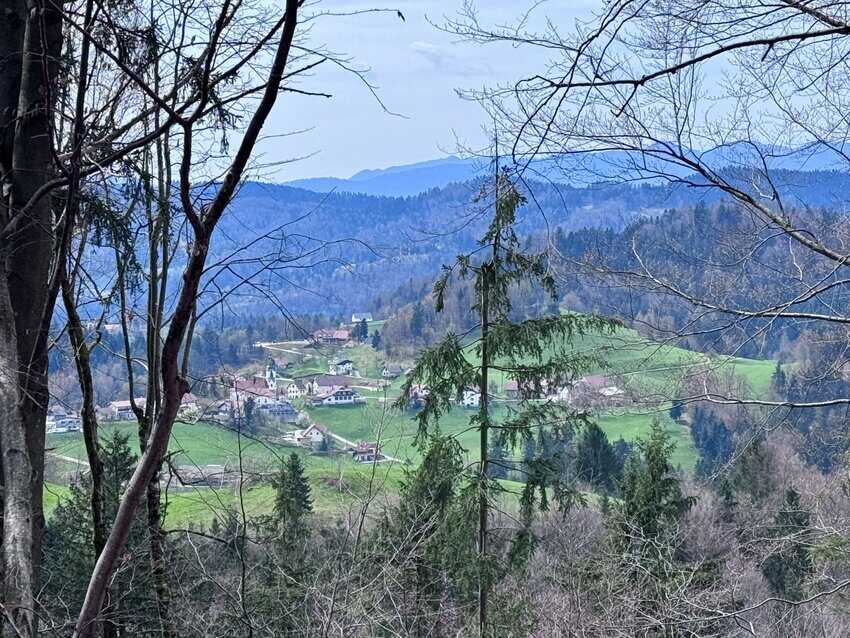
Hiking through the woods, on a musky bed of damp leaves, dappling sunlight, watching Matjaž, Erik and Fendi on the hunt, with views of red-roofed storybook villages in the distance, I thought, last week I didn’t even know I’d be here. Such is the life of a travel writer.
Text: Slovenia next week…Busy?
My editor called me on a Thursday to check my availability for a press trip entitled “Exploring Slovenia’s Gastronomic Excellence.” Yes, I was available, and yes, I could leave on Sunday.
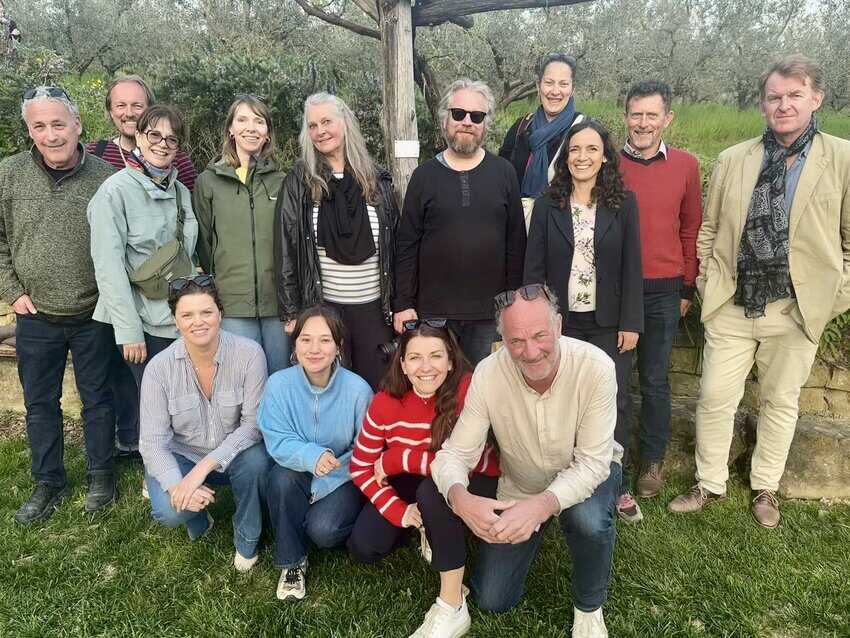
We were a group of nine food, wine, and travel writers accompanied by a PR host and guide. I was one of three American writers; the rest were Europeans.
With the hostile political climate in the US, specifically the issue of the Trump Administration imposing tariffs on Europe, disrespecting Volodymyr Zelensky, and snubbing NATO, I had to wonder, should I, will I need to, apologize to the other writers for my countrymen’s decision to elect Trump? More on that later…
Lunch at Grič: Truffles, talk, and a modern twist to Slovenian tastes.
Before truffle hunting, we were introduced to Chef Luka Košir at his restaurant Grič in the village by the same name. Arranged on one counter of the open kitchen, a charcuterie spread worthy of an 18th-century still life oil painting was our amuse-bouche to truffle hunting. Back at Grič, after the hunt, we sat down to a truffle-tasting lunch that was country-creative but not too precious.
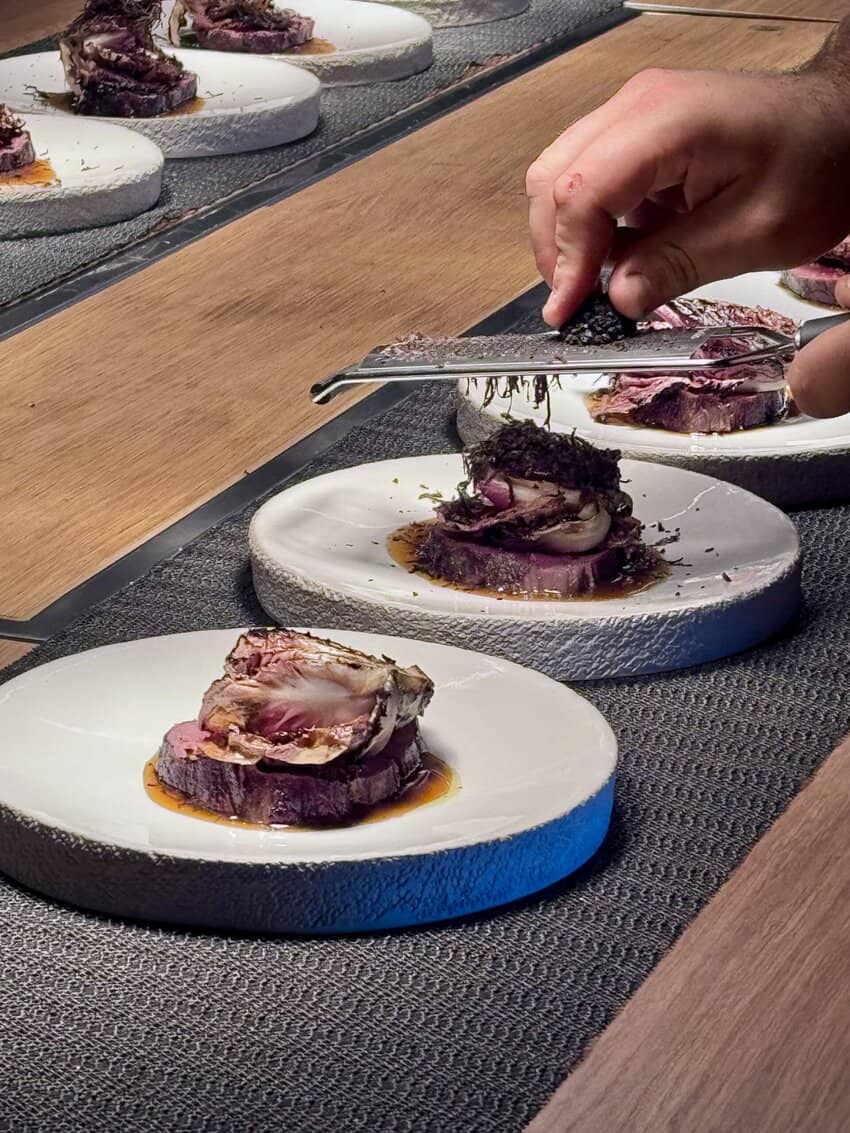
I sat with Kate, who is British and is raising two small boys with her husband in Munich. She isn’t a truffle lover. Like cilantro, truffles seem to be a love-hate thing, but not something in between. Kate and I got to talking about Trumpian politics and executive orders, with me expressing my incredulity at what was happening at home. She said something like, “Well, we had Brexit, so I can’t really talk!” It was a welcome conversation over a four-course truffle lunch with Kate sportingly tasting everything.
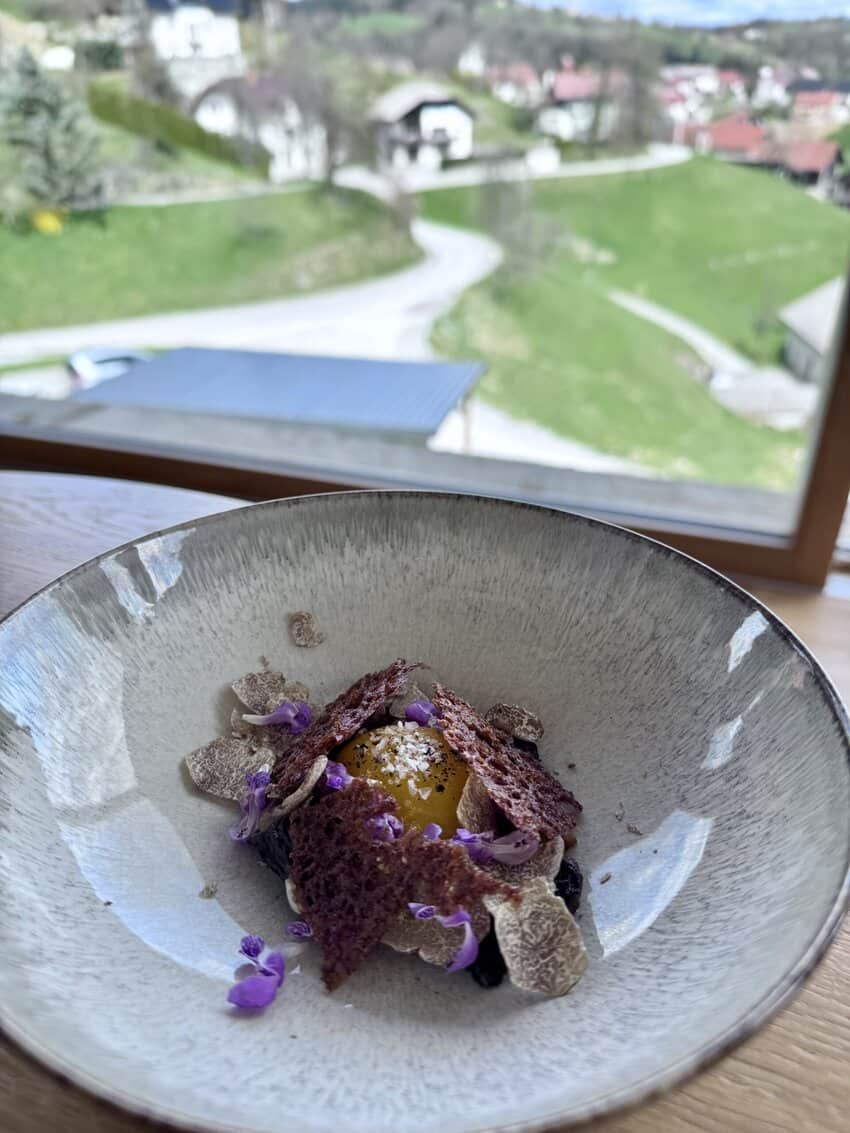
Chef Luka sources all his ingredients from purveyors like Matjaž, his father’s “garden business,” and local herds. He has a penchant for strong tastes, explaining, “We are very influenced by Asian stuff, fermentations, miso, umamis. We have 24 different misos, and we do our own soy sauce. On the other hand, we use totally rough Slovenian traditional techniques, so we merge the two.”
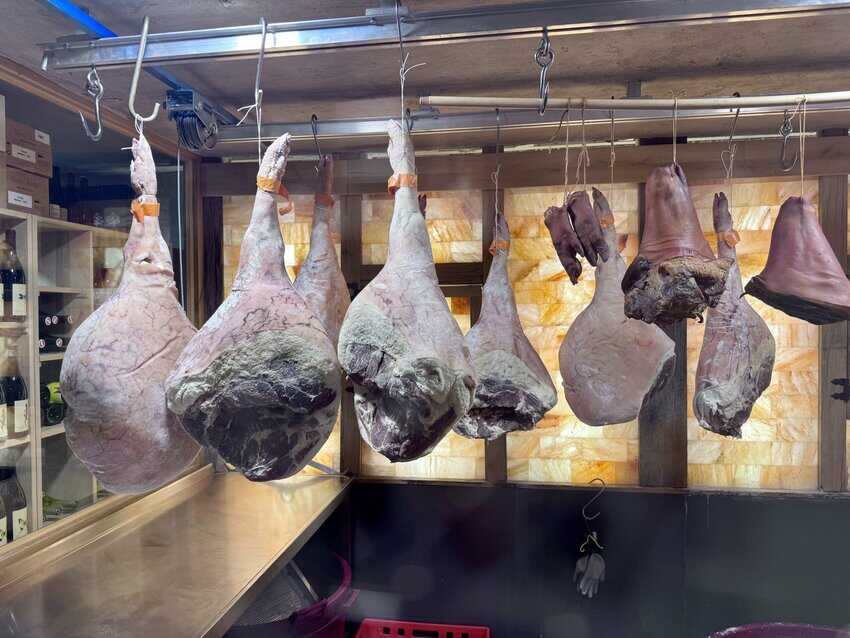
Visiting the cellar of Grič, with its salt-walled curing chamber, wine cellar, vegetable and goose egg storage room, and shelves for all that miso and soy sauce, is like a love poem to cured, dried, fermented, and coddled food.
You can drive from Ljubljana to Grič in under an hour, and experiencing Grič, the restaurant, is well worth it! Go for lunch to capture the pastoral views.
Discovering Pinela on a wine trail in Vipava Valley
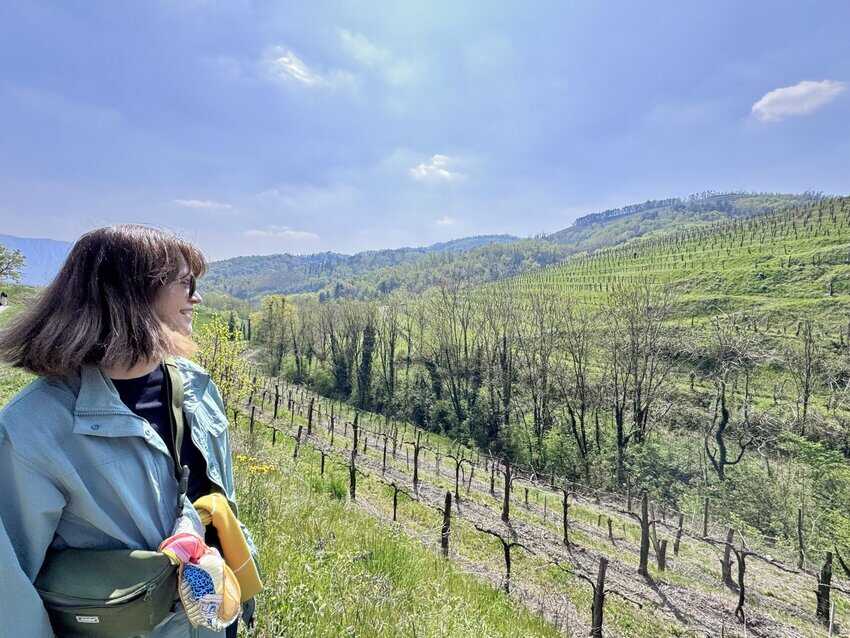
You could build an entire Slovenian itinerary around wine tasting. And you should! Slovenia has three wine regions to explore. We were treated to a walking tour through the vineyards of the Vipava Valley. The tour began in a little stony village known as Goče.
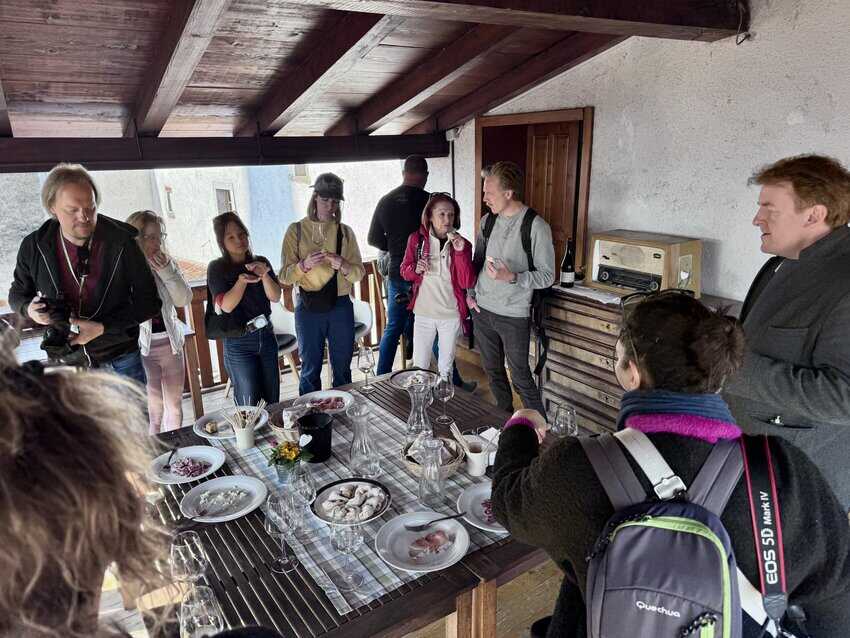
Davorin Mesesnel invited us to his “tourist farmhouse,” where, on an upstairs terrace, a tablescape of cured meats and cheeses accompanied our wine tasting. (Note: there are 468 tourist farms offering accommodations and 479 excursion farms in Slovenia)
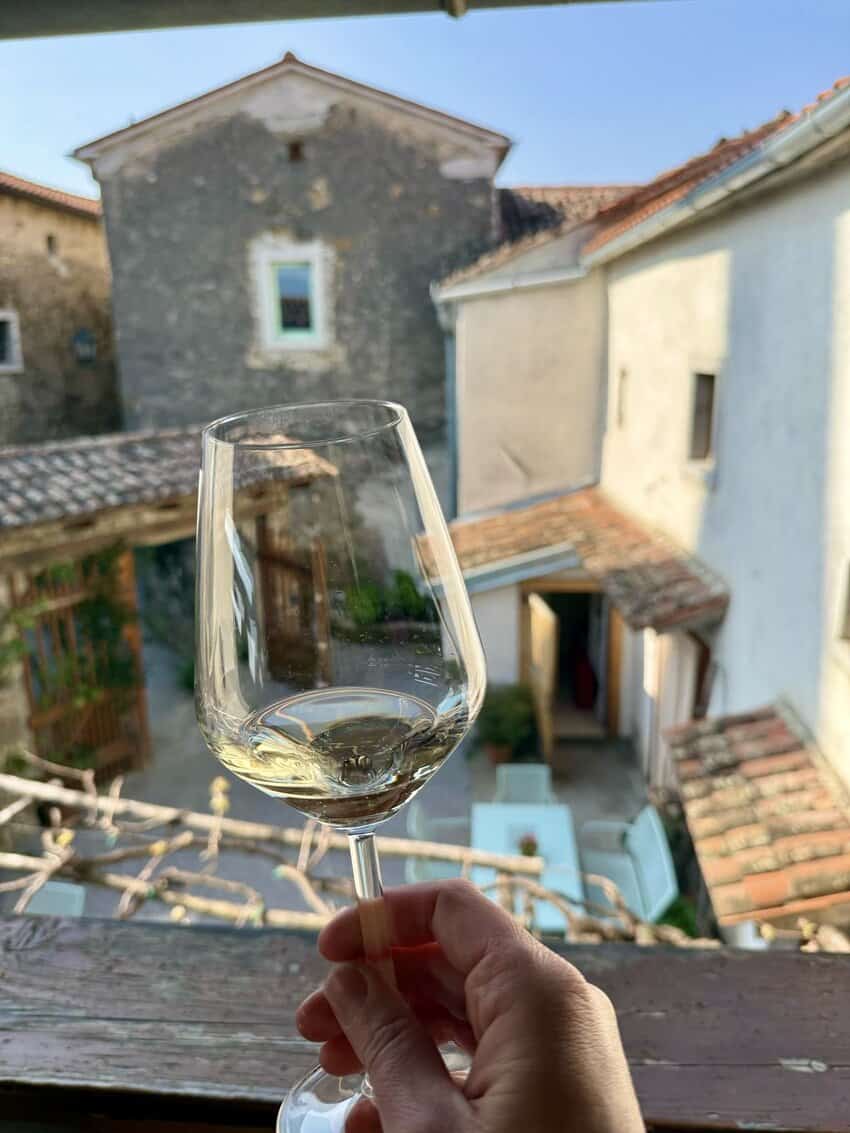
I’m an expert-level wine “drinker,” so I’ll leave the flowery wine descriptions to the professionals. Slovenia’s wine is sublime! I especially loved that my first glass, at a lunch in Ljubljana (Figovec restaurant), was only three euros and competitive with most wines from my native state of California and those from my heritage country, Italy!
Easy to Drink Pinela
Pinela is an easy-to-drink, fresh, dry white that I fell in love with. The Pinela grape does well in the Vipava Valley in Western Slovenia because it likes the Mediterranean climate, soil, and “burja” winds that keep the grapes dry. Of course, vintners throughout Slovenia make Pinela.
An American and a German walk through a vineyard
The hills were alive with the view of grape vines. Passing an occasional enclave of homes with floral vines cascading hither and thither, a beekeeping enterprise, and simple yet elegant wine tasting businesses, we sallied forth with Jani from Wajdusna tours as our guide.
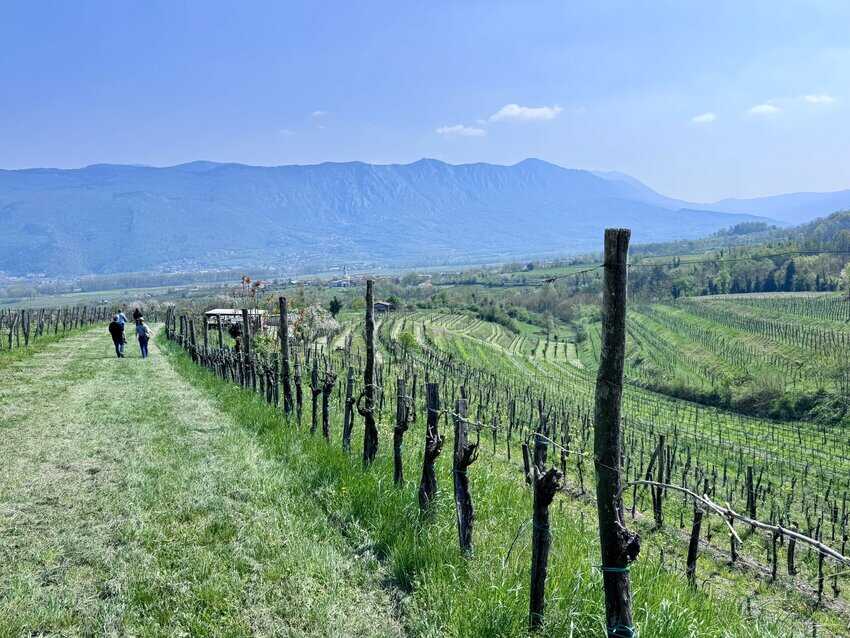
Approaching our third and final wine stop on the tour, I was walking with a German writer from the women’s magazine, Brigitte, who hesitantly asked me, “How are you doing, I mean with–at home–your country?” I told her that, for me, it was stressful. The tariffs were affecting my other business (I sell designer clothing), and there was an extreme lack of uncertainty, basically freaking out everyone I knew. She was sympathetic, explaining that Germany was also leaning toward a more authoritarian government. And then we talked about our daughters, as mothers do.
Wine, lunch, and a Dane’s take on U.S. politics.
The hike ended in the town of Slap at Petrič Urban, a family-owned and operated sustainable wine producer. Here, we were introduced to orange wine — a blend of four local grapes–popular in Slovenia. After a visit to the cellar, we were led to a spacious, sunny dining room with a vaulted ceiling and large, long farm tables — a rustic-chic setting.
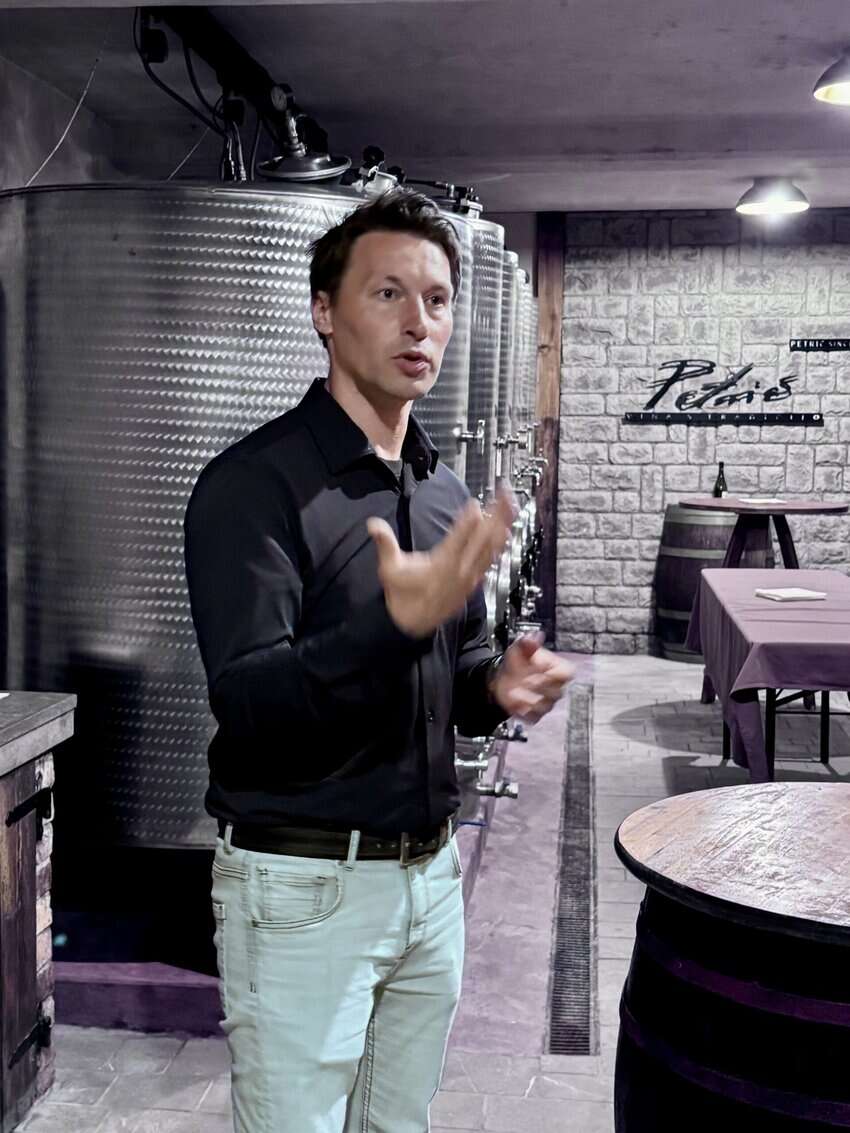
Over lunch and more wine tasting, Mikkel told me he had been watching the American election with great interest. He said he felt “Very sad and depressed about the outcome.”
As a Dane, Mikkel was equally hurt by Trump’s imperialistic stance on Greenland. I was struck by the fact that Mikkel was more wounded than pissed off about it all. His demeanor was more of a jilted lover. Repeatedly saying, “It’s just very sad.”
Restaurant Gostilna Mahorčič, then and now.
We met the Mahorčič family at their restaurant in the village of Rodik in southwest Slovenia, just 12 miles from the Adriatic Sea and near the Italian border.
Farmhouse restaurant Gostilna Mahorčič was founded in 1903. It’s a true family enterprise run by the fourth generation of the Mahorčičs. Welcoming us were Chef Ksenija, her teenage son, and her husband, the sommelier Martin.
Ksenija said, “The first time I ate out, I was eighteen. Why would we go eat out if what we could eat at home would be better?” This was the sentiment with most of the chefs I met.
Slovenia is a new country, just 34 years old, and dining out hasn’t been part of the culture, especially in the countryside. Even with the most celebrated chefs, Sunday dinners are still at home.
Martin’s family ran a traditional restaurant with “everyday food.” When Ksenija and Martin married in 2008, they wanted to change things. Ksenija said, “At the time, there were no chefs, just workers. I decided, I’m the chef now!”
The couple started to travel and learn, taking courses in sugar, chocolate, meat, and venison in Italy. As Ksenija explained, “We got creative, but the locals didn’t like it so much (at first). The Italians did!”
Fun with clay.
Today, Gostilna Mahorčič is a destination restaurant, one of the best dining experiences I can remember. But dinner can wait. I want to tell you about Ksenija’s ceramics.
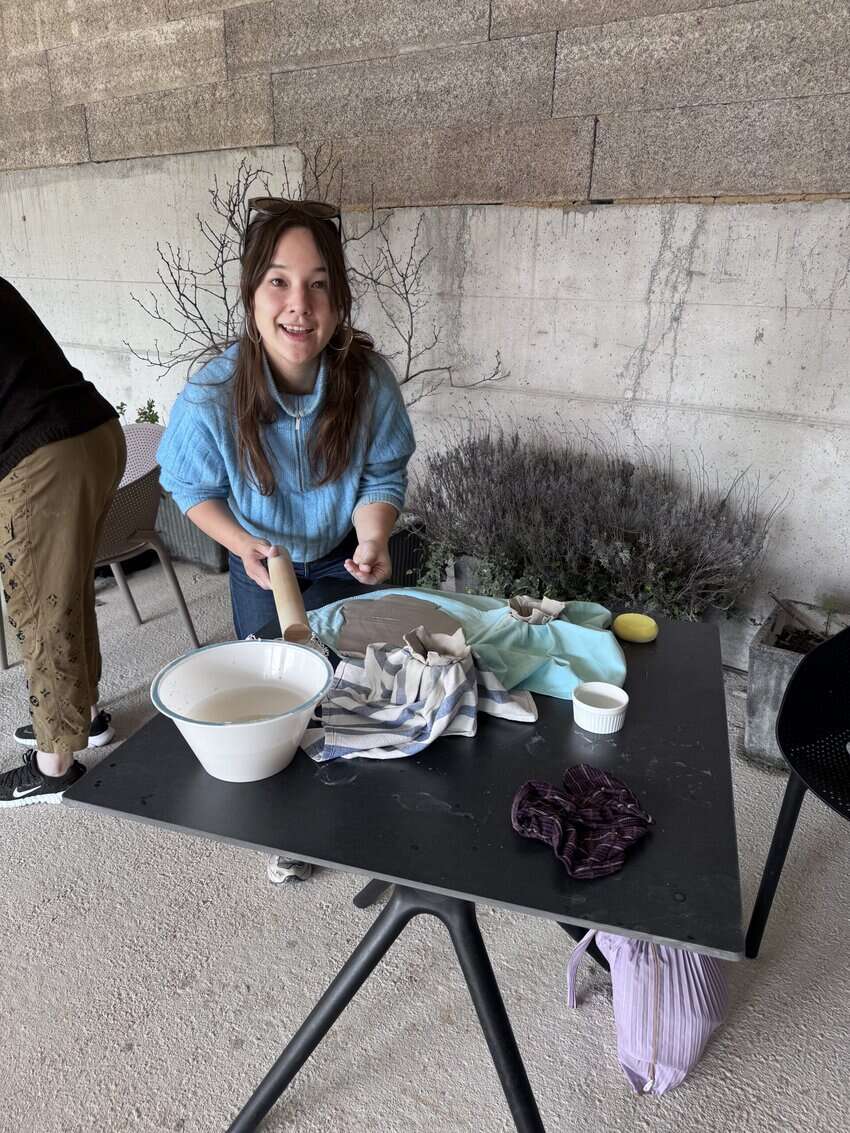
We travel writers were treated to a ceramics workshop led by Ksenija. Small tables were arranged for each of us, and after a brief period of instruction, we were on our own to create something for the table. Some of us were more successful than others, but who was to judge (me, I guess)?
The farmhouse is in the midst of a renovation, and Ksenija hopes to offer ceramics and other culinary classes once the project is complete.
Dining as devotion.
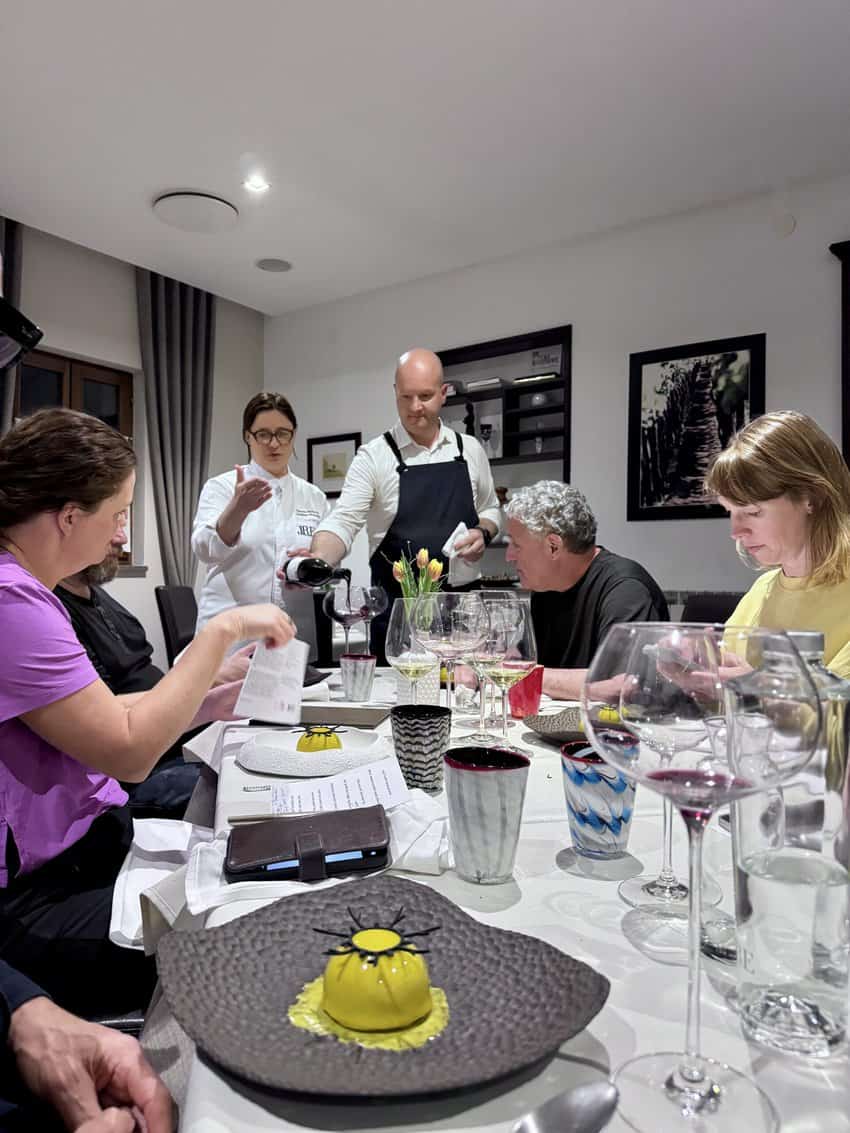
Ksenija makes the dishes for her restaurant too, and they marry beautifully with the food. It was an extraordinary dinner with wine pairings.
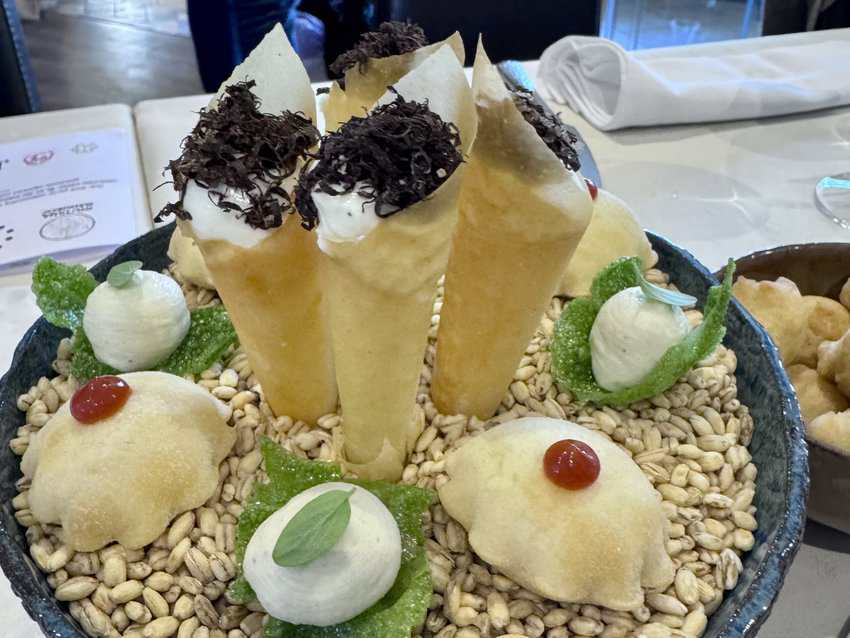
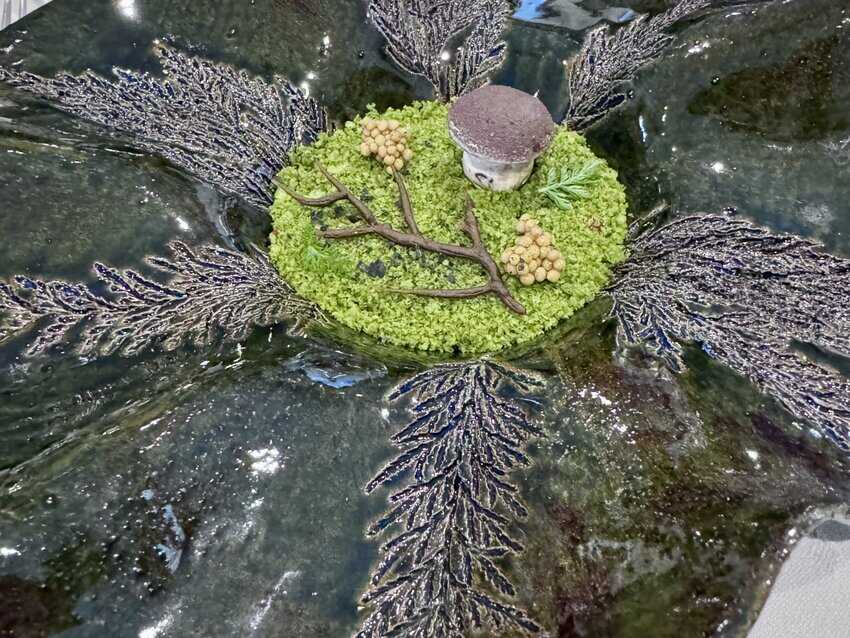
The starter had a creamy cheese philo handroll plated upright, surrounded by cheese puffs and little cheese dollops on green crackers. Another standout (Each course is worthy of adding to the word count of this story. I’m being choosy.) was a beef tartar beneath a bed of pumpkin seed oil moss, with porcini butter and mustard seeds.
In the last decade, it seems every restaurant worldwide has claimed to be farm-to-table. With a green Michelin star, Gostilna Mahorčič has the creds, but it was more than that. Ksenija and Martin showed an almost holy relationship for the food they so artfully and graciously served.
On the shores of the Adriatic, Piran–a little bit of Italy, Croatia, and Austria
While on a walking tour of the coastal town of Piran, our guide mentioned that four generations of his family–from his great-grandfather to his son—lived under a different flag. “Slovenians have had five different passports in the last 100 years.”
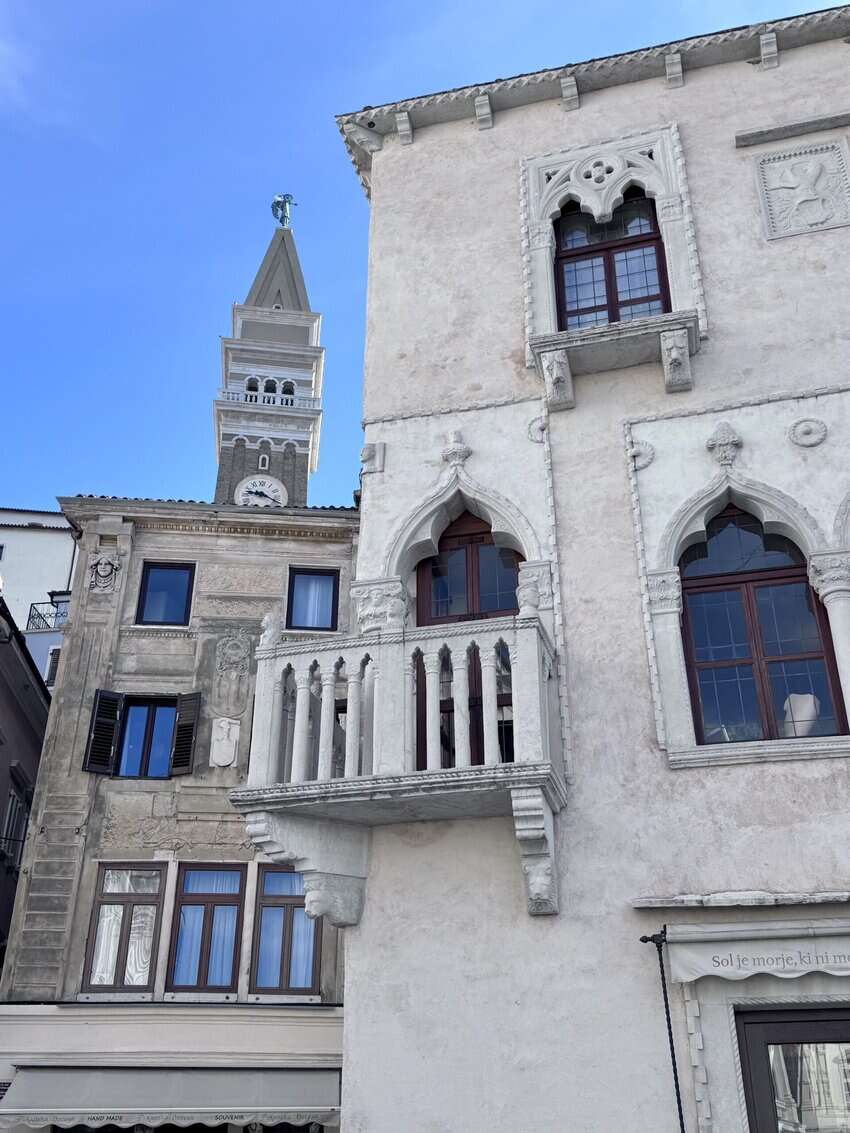
After the Second World War, this coastal area of Slovenia became a free territory of Trieste. Piran’s main square is like a little cousin to St. Marco’s square in Venice. Perhaps the next time you hanker for Venice, go to Piran instead.
It’s less expensive, has fewer tourists, and has comparable food (I think the food was better). Italian was a compulsory language in this region. Many residents have dual citizenship, and most are fluent in Italian.
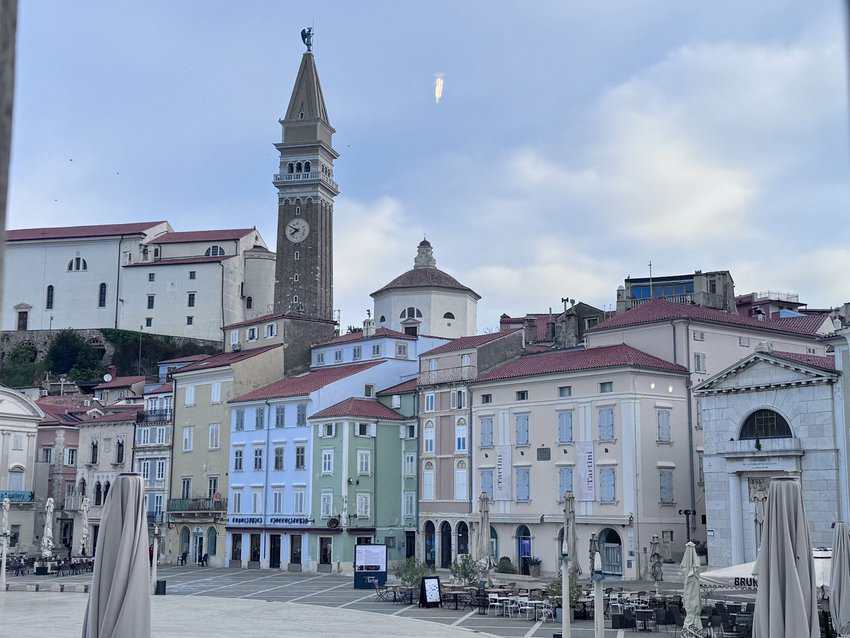
Looking at the Adriatic Sea with the castle of Piran to your back, you can see Italy, the Alps, and Croatia. Our guide boasted that in one day, he was skiing at 9 a.m. in the Slovenian Alps, swimming in Piran at 2 p.m., and having coffee in Ljubljana at 5 p.m. I was struck by Slovenia’s mash-up of countries. Given thoughtful planning and enough time, you could access the influences of four different countries just by visiting Slovenia.
Tasting liquid gold–for the love of olive oil.
We met olive maven Nina Froggatt in her orchard. Nina and family–every business owner I visited in Slovenia was an “and family”– run Gramona Farm.
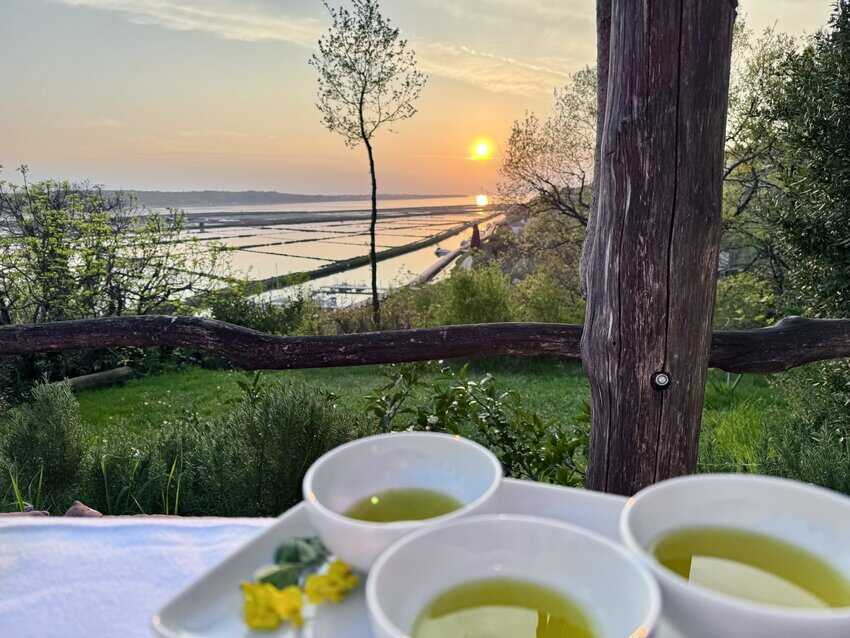
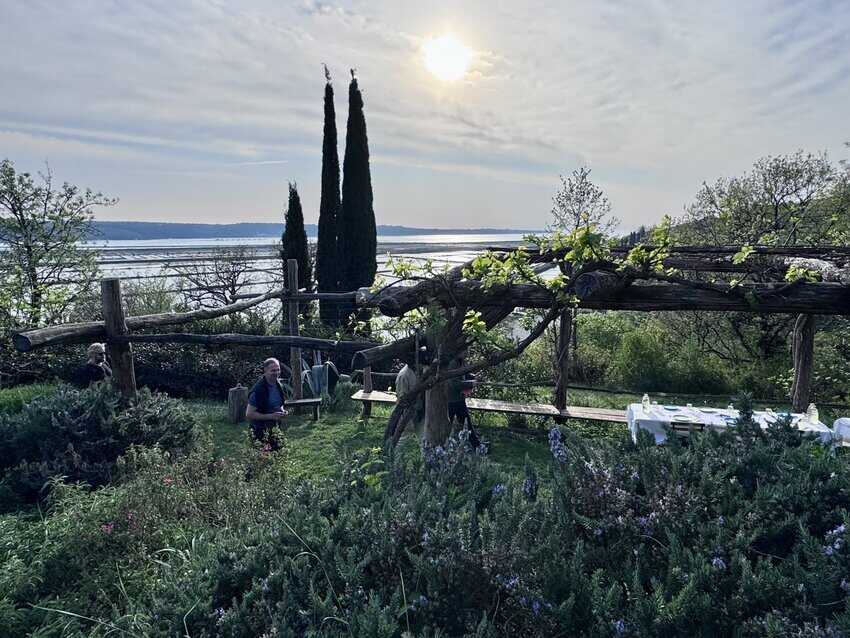
We were treated to an olive oil tasting beneath a pergola with views of the salt pans beyond. Cue the music, and you were in a rom-com with beautiful Nina as the heroin and love interest, waxing poetic about her love of olive oil, her family, and her customers.
Gramona offers a menu of olive experiences, from gourmet picnic lunches to cooking classes to joining the harvest. It’s a personalized business; given notice, Nina will create something fabulous and unique just for you.
Dipping into what matters most.
I couldn’t decide if I preferred Gramona’s orange olive oil over the lemon, so I bought both. I wanted it bad enough to go from carry-on to checked luggage.
Sitting with my new friends as the sun sank below the Adriatic with olive trees and lavender to my back, and the still waters pans in the distance, I thought, this is life. Despite everything that is going on in my country and the world, it is these moments we must cherish and soak up. I dipped my bread one more time!
A short list of suggestions for your trip to Slovenia.
Eating:
Aftr–Michelin-starred chef Jorg Zupan says, “We just try to cook fun!” Aftra offers creative, exciting dishes one after the other.
Gostilna pri Lojzetu–a Michelin-starred restaurant in a countryside manor with valley views; innovative cuisine that celebrates the diversity of Slovenian food heritage.
Rizibizi Restaurant–borrowing from the sea and the trees (Istrian truffles). Chef Tomaž’s food screams freshness and friendship.
Sleeping:
Hotel Occidental–contemporary design in Ljubljana, prime location, nice hospitality.
Malovșčevo Estate–rustic country inn with a bountiful breakfast, in the heart of the Vipava Valley.


- Products That Passed the Stylist Flight Test - October 29, 2025
- Why Slovenia Should Be Your Next Food And Wine Destination - May 8, 2025
- Les Sables d’Olonne: A Slice of Paradise In Vendée, France - December 11, 2024


This was such a fun read – I knew very little about Slovenia, and now I really want to go!! Seems like the perfect lesser-known destination.