|
| features| destinations| lodgings| transports| tours| alternatives| travel desk| women's travel| family travel |
|
|
Share your travels! Click here to submit your stories to us!
|
Ecuador:
Amazon, Andes and Darwin
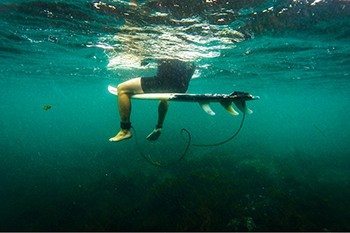
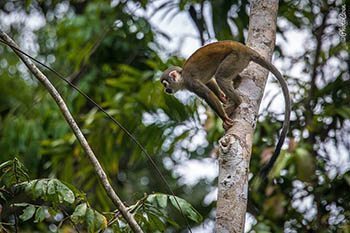
In one handy package, Ecuador sums up South Americas "big three" attractions -- Amazon, Andes, and beaches -- along with one attraction no one else has -- the Galápagos -- and all within a country thats inexpensive, politically stable, friendly, and convenient. Sound too good to be true? Sometimes it seems that way. Sure, Ecuador has gotten some bad press lately, with erupting volcanoes and musical presidents ushering in the new millennium, but travel here is as safe and easy as its ever been, and cheaper than almost any other county in Latin America. The Andes, Ecuadors rugged backbone, offer adventure tourists the chance to go mountaineering, rafting, hiking, camping, and mountain biking. The more leisurely inclined can shop at indigenous markets, where descendents of the Incas sell their kaleidoscopic weavings, and stay a luxury country estate thats been in the same family for centuries. The upper Amazon, Ecuadors sweaty frontier, is still mostly empty rainforest, even though it makes up the eastern third of the country. Comfortable rainforest lodges and rustic camps serve as bases for hiking into the forest with native guides who know what sickness every plant can cure, plus the directions to the nearest waterfall and rope-swing. If youre lucky, your guide will take you to visit his village, where you can sip homemade beer, buy a blowgun, and learn how to say "nice monkey" in Achuar. Most of Ecuadors 2,200 km of Pacific coastline is graced with beautiful palm-fringed beaches. Travelers can choose from luxury condos or thatched-roof cabins with an ocean view, and go fishing or surfing in their spare time. Ecuadors true treasure, though, is the Galápagos Islands. Famous for helping inspire Darwins theory of evolution, the islands are still an astounding place to visit: a menagerie of unique animals -- without a shred of fear of people -- set on jagged volcanic islands in the middle of the Pacific. Hop aboard a tour boat and let your guide introduce you to a boobie, a marine iguana, or a giant tortoise without leaving the comforts of home very far behind. Whether you head for the hills, the jungle, the beach or the islands, Ecuador seldom disappoints.
Ecuador offers activities from the active and athletic to the natural and cultural. Many can be done independently, but for the best experience, you might want to try one of the local guides and outfitters mentioned below
There are a number of fine local outfitters and tour operators that can provide everything from a Galapagos trip to an Amazon cruise to a day hike in the Andes.
Teaching English If youre interested in earning your keep during an extended stay in Ecuador, its possible to get a job teaching English at one of a few dozen schools in Quito. It helps if you speak Spanish, and a TEFL certificate, BA degree, and experience dont hurt either. You wont save much to take home, but the pay is often enough to live on comfortably.
Volunteering For volunteering, your best bet is to stop by the Quito clubhouse of the South American Explorers (Jorge Washington 311 and Leonidas Plaza, Tel: 2-225-228). This travelers gold mine has plenty of information on volunteering possibilities in the capital and elsewhere, both short- and long-term (along with information on just about anything else there is to do in Ecuador).If you have an afternoon free and would like to brighten a fellow gringos day, pay a visit to the Womens Prison (Carcel de las Mujeres, on Calle de las Toronjas near the "El Inca" roundabout) or the Mens Prison (Penal Garcia Moreno, at Rocafuerte and Chimborazo) to chat with one of the many foreigners being held behind bars. Check at the South American Explorers clubhouse for a current list of names, and bring your passport and perhaps small gifts such as fresh fruit or toiletries. Search the GoNOMAD ALTERNATIVES LISTINGS for other volunteer opportunities and programs in Ecuador. Learning Spanish There are several Spanish language programs in Quito. Search the GoNOMAD LISTINGS for Language Learning Programs in Ecuador and check at the South American Explorers Club for information. When it comes to places to stay, Ecuador caters to all tastes. Whether you want a luxury hotel in the capital or just want to pitch a tent on a beach, its possible to find what youre looking for. Two exceptional alternatives are haciendas -- restored colonial manor houses in the Andes -- and eco-lodges, which have sprung up from the Amazon to the coast. Its possible to pay as much as you do back home for a luxury hotel ($100 and up per night), but budget travelers can also find quite comfortable accommodations for $5 or less per night -- with clean sheets and hot water, no less. The South American Explorers have information on homestays, which average about $100 per month, as do many apartments for rent in Quito and other major cities. Camping is free and generally safe, particularly in National Parks and the less-traveled reaches of the Andes and coast.
Ecuador isnt known for gourmet foods, but it still has plenty of tasty and economical dining options. Plain foods like potatoes, rice, corn, and plantains are staples, along with grains and meat -- most often beef -- in every form imaginable. A typical meal ("plato tipico"), available for a dollar or less just about anywhere, usually consists of a few vegetables, a bowl of soup, rice, grilled beef, a small dessert, and a drink. A la carte entrees are around $2-3, and few restaurants approach North American prices. A few specialties are worth checking out, starting with the all-natural fruit sorbet called "helados de paila" made in Ecuadors northern Andes. Seafood is almost always fresh and excellent, especially if its served "encocado" (in coconut milk). A rainbow of tropical fruits turn up in juices ("jugos") and shakes ("batidos"). If youre feeling particularly adventurous, try a fried guinea pig, known as "cuy," which were once raised by the Incas for food. The diversity, quality, and value of Ecuadorian crafts are amazing. Textiles are the countrys most famous product, particularly those made of wool. Indigenous groups in the Andes like the wealthy residents of Otavalo weave every type of cold-weather clothing, as well as wall hangings both large and small. The streets of Cotacachi near Otavalo are lined with dozens of stores selling leather clothing, luggage, and accessories, while San Antonio de Ibarra near Ibarra rings with the sounds of artisans carving statues. Indigenous groups in the Amazon turn out hand-coiled pottery decorated with intricate designs, along with blowpipes, seed necklaces, and bags woven from palm fibers. Artisans in the Tigua Valley in the central Andes paint intricate, colorful scenes of daily life on canvases made from animal hides. And if you learn only one thing during your trip, it will be that Panama hats dont come from Panama -- they come from Ecuador, where theyre woven out of incredibly fine fibers in coastal towns like Montecristi.
Recommended Indigenous Markets
Ecuadors festivals come in many different flavors, from nationwide celebrations of famous battles for independence to small fiestas celebrated in a few tiny towns. Religious holidays combine solemn Catholic processions with alcohol-fueled indigenous harvest celebrations. A few of the more famous festivals are worth scheduling a visit around, including Santos Reyes and Santos Inocentes in San Lorenzo, the first week in January, and Cuencas Christmas processions. Over the centuries, the indigenous Andean cultures have combined Catholic and Inca traditions into colorful celebrations, like those in late June around Otavalo, where the Inca festival of the summer equinox blends with the Christian celebrations of San Juan and San Pablo. Major Public Holidays and Festivals
Being smack on the equator, Ecuador really has only two seasons: the hot and wet winter ("invierno"), and the cool, dry summer ("verano"). Temperatures often vary more within a single day than they do from season to season, making where you go just as important, if not more, than when. In each region, the rainy season is usually also the sunniest, and the dry season is often overcast. The heights of the Andes seem to exist in a state of perpetual spring, with balmy days and chilly nights. A fleece jacket or sweater will do for the evenings (a down jacket is best for high altitudes), and dont forget raingear for the October to May rainy season. Daily downpours alternate with intense sunlight from January to April along the coast and western lowlands. The rest of the year the area is drier and usually cloudy. The Amazon, as you can probably guess, ranges from hot and wet to very hot and wet. Up to five meters of rain can fall in one spot during the rainiest season from June to August, most often in the form of brief, torrential afternoon downpours. September to December is driest. For both the coast and the Amazon, pack plenty of T-shirts and a trusted piece of raingear. Wherever you go, use sunscreen: the equatorial sun is amazingly powerful.
Most foreign visitors fly into Quitos Mariscal Sucre International Airport. Flights from the U.S., routed through Miami or Houston, average around $700 round trip. Many major airlines connect South America with the U.S., Europe, and Asia. If you cant get to Ecuador directly, you may find it cheaper to fly into Lima, Peru and travel overland.
Since international flights within South America are heavily taxed, country-hoppers usually prefer to cross borders by bus. International buses from Colombia (via Tulcán) or Peru (via Huaquillas or Macará) are comfortable and inexpensive -- often under $50 from capital to capital. But its even cheaper, and just as easy, to buy a ticket to the border, cross on foot, and pick up another bus on the other side, whichever direction youre going. To bring your own car into Ecuador youll need your passport, drivers license, and full registration papers in your own name.
Financial matters are seldom a problem, at least in the larger cities like Quito, Cuenca, and Guayaquil. In 2000, Ecuador became the first country in South America to switch over to the U.S. dollar, in an effort to stem mounting inflation. It will probably be a year or so before the greenback is accepted everywhere, but the transition seems to be flowing smoothly. Carry small bills in any case, and dont expect your credit cards or travelers checks to be accepted very far outside the major cities. In the meantime, major national and international banks have offices in Quito and Guayaquil where you can exchange money or have it wired to you. Their branches also have ATMs, though its sometimes a crapshoot whether or not one will accept your PLUS or Cirrus card on a particular day. The currency switch promises to make exchange houses like Producambios, Multicambios, and VAZ a thing of the past. Mastercard, Visa, and American Express all have offices in Quito. Quito banks
The most common health threat to visitors to Ecuador is travelers diarrhea, caused by contaminated food and water. Dont eat anything that isnt cooked, peeled, or washed, and drink only purified or boiled water or bottled drinks. Make sure your immunizations are up to date before going, and consider medicine for malaria, yellow fever, and typhoid if you plan on a long trip to remote areas. Dont forget sunblock for the unforgiving equatorial sun, no matter where you go. Ecuadors slumping economy has caused a rise in petty crime, but you can stay safe by following a few basic precautions. Dont bring anything irreplaceable in the first place, and carry only as much money as you need for a day and a photocopy of you passport on jaunts around town. Travelers checks are always a good idea, as is keeping an eye on valuables like cameras in crowded plazas and markets. Try to travel in groups whenever possible to popular but remote tourists spots like the volcanoes near the capital. The worst crime statistics in the country come from Quitos New Town, popular with gringos, so take an inexpensive taxi there at night instead of walking. VISAS AND OTHER OFFICIAL DOCUMENTS Citizens of North America, Europe, and Australia dont need a visa for stays of up to 90 days. Other travelers, and those looking to stay longer or work, should contact the Ecuadorian Embassy in Washington at 2535 15th Street NW, Washington, D.C. 20009, Tel: (202) 234-7166, fax (202) 265-9325, e-mail: mecuawaa@erols.com or look at the Ecuadorian Embassys webpage ecuador.org. Ecuador also has consulates in New York City, Jersey City, Baltimore, Miami, Houston, New Orleans, Chicago, Beverly Hills, San Francisco, and Las Vegas, as well as in nine other countries. Probably the best source of information on travel in Ecuador is the South American Explorers, who maintain a clubhouse in Quito at Jorge Washington 311 and Leonidas Plaza. A one-year membership ($40 pp) gives access to the clubs vast bank of up-to-the-minute knowledge on travel in Ecuador and the rest of Latin America. They also have clubhouses in Ithaca, NY and Lima and Cuzco, Peru. Ecuador Explorer Exploring Ecuador Ecuador.com |
|
|